California requires the same minimum liability limits regardless of age, but most senior drivers on fixed incomes carry coverage levels that could expose their retirement assets to significant lawsuit risk.
California's Minimum Coverage Requirements Apply Equally to All Age Groups
California law requires all drivers to carry minimum liability insurance of $15,000 per person for bodily injury, $30,000 per accident for bodily injury, and $5,000 for property damage — often expressed as 15/30/5. These limits apply whether you're 25 or 75, and there are no age-based exemptions or reductions.
What the state doesn't tell you: these minimum limits were established in 1967 when the average California home cost $22,000. Today, with median home equity for California homeowners over 65 exceeding $400,000 and many seniors holding substantial retirement accounts, carrying only state minimums means your assets are exposed if you cause an accident that results in serious injuries. A single hospitalization from a car accident can easily generate $150,000 in medical bills — five times your minimum bodily injury coverage.
The California Department of Insurance reports that approximately 18% of drivers statewide carry only minimum liability coverage, often to reduce premium costs. For senior drivers on fixed retirement incomes averaging $2,400 to $3,200 monthly, the $30 to $50 monthly savings from dropping to minimum coverage can seem significant. But a single at-fault accident resulting in injuries beyond your policy limits puts your home, savings, and retirement accounts at risk of lawsuit and seizure.
What Minimum Coverage Actually Pays After a California Accident
If you carry California's 15/30/5 minimums and cause an accident, your insurance pays only up to $15,000 for injuries to any single person, $30,000 total if multiple people are injured, and $5,000 for vehicle damage. Once those limits are exhausted, you become personally liable for the remainder.
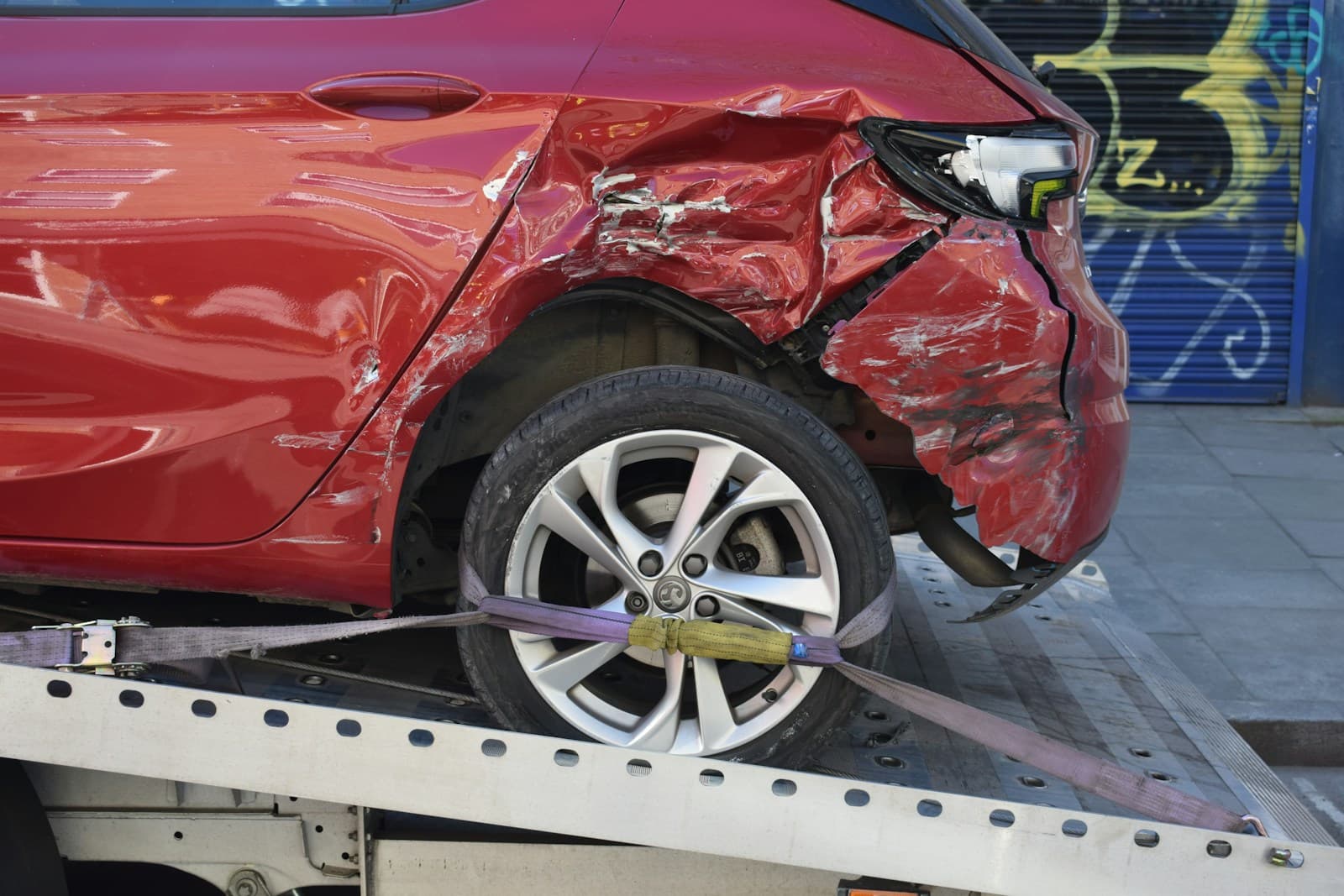
Consider a realistic scenario: you're at fault in a two-car accident at an intersection. The other driver suffers a broken femur requiring surgery ($45,000 in medical bills) and their passenger has a concussion and whiplash ($18,000). Their vehicle, a three-year-old SUV, sustains $12,000 in damage. Your minimum policy pays $15,000 to the driver, $15,000 to the passenger (the per-accident cap means they can't both receive full per-person limits), and $5,000 toward the vehicle. You're now personally liable for approximately $60,000 in uncovered costs.
For California senior drivers who own their homes outright or have accumulated retirement savings, this exposure is particularly dangerous. State law allows injured parties to pursue your assets through civil court judgments. The median net worth for California households headed by someone 65 to 74 is approximately $320,000 — far more than younger drivers typically have at risk, making adequate liability coverage essential rather than optional.
Compare rates from carriers that specialize in senior drivers
Mature driver discounts, low-mileage rates, and coverage reviews — see what you're actually eligible for.
Get Your Free Quote✓ Mature Driver Discounts✓ No Obligation✓ Licensed Carriers✓ All 50 States
Recommended Coverage Levels for Senior Drivers With Assets to Protect
Most insurance professionals recommend California drivers over 65 carry liability limits of at least 100/300/100 ($100,000 per person, $300,000 per accident, $100,000 property damage) if they have net worth exceeding $100,000, which includes most homeowners. For seniors with substantial retirement accounts or home equity above $300,000, 250/500/100 limits or an umbrella policy provides more appropriate protection.
The cost difference is often smaller than seniors expect. Increasing from California's 15/30/5 minimums to 100/300/100 typically adds $15 to $35 per month for drivers over 65 with clean records — roughly $180 to $420 annually. An umbrella policy providing an additional $1 million in liability coverage typically costs $200 to $350 per year when layered over adequate underlying auto liability limits.
Many California insurers offer mature driver course discounts of 5% to 15% for completing an approved defensive driving program, which can partially or fully offset the cost of higher liability limits. AARP's Smart Driver course, available online for $25 for members, qualifies in California and the discount typically lasts three years. For a senior driver paying $1,200 annually, a 10% mature driver discount saves $120 per year — enough to cover most of the cost increase from minimum to adequate liability coverage.
How Medical Payments Coverage Interacts With Medicare for California Seniors
California doesn't require medical payments coverage (MedPay), but it serves a specific purpose for senior drivers that Medicare doesn't address. Medicare covers your medical treatment after an accident regardless of fault, but it doesn't cover deductibles, co-pays, or out-of-pocket maximums you incur before reaching Medicare's coverage thresholds. MedPay fills these gaps immediately without requiring you to determine fault first.
MedPay coverage of $5,000 to $10,000 typically costs California seniors $5 to $15 per month and pays directly to medical providers or reimburses you for out-of-pocket costs resulting from an auto accident. This includes ambulance bills (often $1,200 to $2,500 in California metro areas), emergency room co-pays, and costs you'd otherwise pay from retirement savings while Medicare processes claims and determines coverage.
For senior drivers with Medicare Advantage plans rather than traditional Medicare, MedPay becomes even more valuable. Medicare Advantage plans often have higher out-of-pocket maximums ($3,000 to $7,500 annually) and more restrictive provider networks. If an accident sends you to a non-network emergency facility, MedPay covers the immediate costs while you navigate your Medicare Advantage plan's coverage determinations and potential balance billing.
Uninsured Motorist Coverage Protections California Seniors Should Consider
California requires insurers to offer uninsured/underinsured motorist (UM/UIM) coverage but doesn't mandate that drivers purchase it. Approximately 16% of California drivers are uninsured according to the Insurance Information Institute, meaning roughly one in six vehicles on the road carries no coverage to pay for injuries or damage they cause.
For senior drivers, UM/UIM coverage is particularly important because it protects you when an at-fault driver has insufficient coverage to pay for your injuries. If you're hit by a driver carrying only California's 15/30/5 minimums and your medical bills reach $80,000, their policy pays only $15,000. Your UM/UIM coverage makes up the difference, protecting you from having to pay medical costs out of your retirement savings.
California law requires that UM/UIM limits match your liability coverage limits unless you specifically reject them in writing. If you carry 100/300/100 liability coverage, your insurer must offer you 100/300/100 UM/UIM coverage. For senior drivers with clean records, this coverage typically adds $8 to $20 per month to premiums — a relatively small cost for protection against California's substantial uninsured driver population.
State-Specific Programs and Discounts California Offers Senior Drivers
California law doesn't mandate senior driver discounts, but the California Department of Insurance requires insurers to offer rate reductions to drivers who complete state-approved mature driver improvement courses. Discounts typically range from 5% to 15% and last for three years before requiring course renewal. Approved providers include AARP, AAA, and the National Safety Council.
The California Low Cost Automobile Insurance Program serves drivers 65 and older whose household income falls below $35,800 for a single person or $47,500 for a couple (2024 limits). The program provides minimum liability coverage at reduced rates through participating insurers, with typical premiums of $300 to $400 annually compared to $800 to $1,200 for standard minimum coverage. Applications are processed through participating insurance agents and community organizations.
California also allows usage-based insurance programs where seniors who drive fewer than 7,500 miles annually can qualify for low-mileage discounts of 10% to 30%. For retired California drivers no longer commuting, these programs can provide substantial savings. Major insurers including Progressive, Allstate, and Nationwide offer mileage-tracking programs either through plug-in devices or smartphone apps, with discounts applied based on verified annual mileage rather than self-reported estimates.
When Dropping to Minimum Coverage Makes Financial Sense
For California senior drivers with minimal assets — those who rent rather than own, have limited retirement savings, and receive most income from Social Security — carrying only minimum liability coverage may be a rational financial decision. If your total assets are below $50,000 and largely protected by California's homestead and retirement account exemptions, paying for higher liability limits protects assets you don't have.
However, even asset-limited seniors should maintain adequate UM/UIM coverage and medical payments coverage. These protect you from others' inadequate coverage and cover your immediate medical costs, respectively. A reasonable minimum-cost California policy for a senior driver might include 15/30/5 liability, 50/100/50 UM/UIM, and $5,000 MedPay — providing protection where you need it most while keeping premiums affordable.
Before dropping to minimum coverage, California seniors should verify that their liability exposure is truly limited. If you have adult children who might provide financial support in a lawsuit, own any real property, or have retirement accounts exceeding $100,000, those assets remain vulnerable regardless of legal exemptions. A 30-minute consultation with an insurance agent specializing in senior coverage, typically offered free, can help you evaluate whether minimum coverage leaves you appropriately or dangerously underinsured given your specific financial situation.