If your insurer mentioned a driving assessment or your family raised concerns about your coverage, here's what these evaluations actually test, when they're required, and how they affect your premiums.
What a Senior Driving Assessment Actually Measures
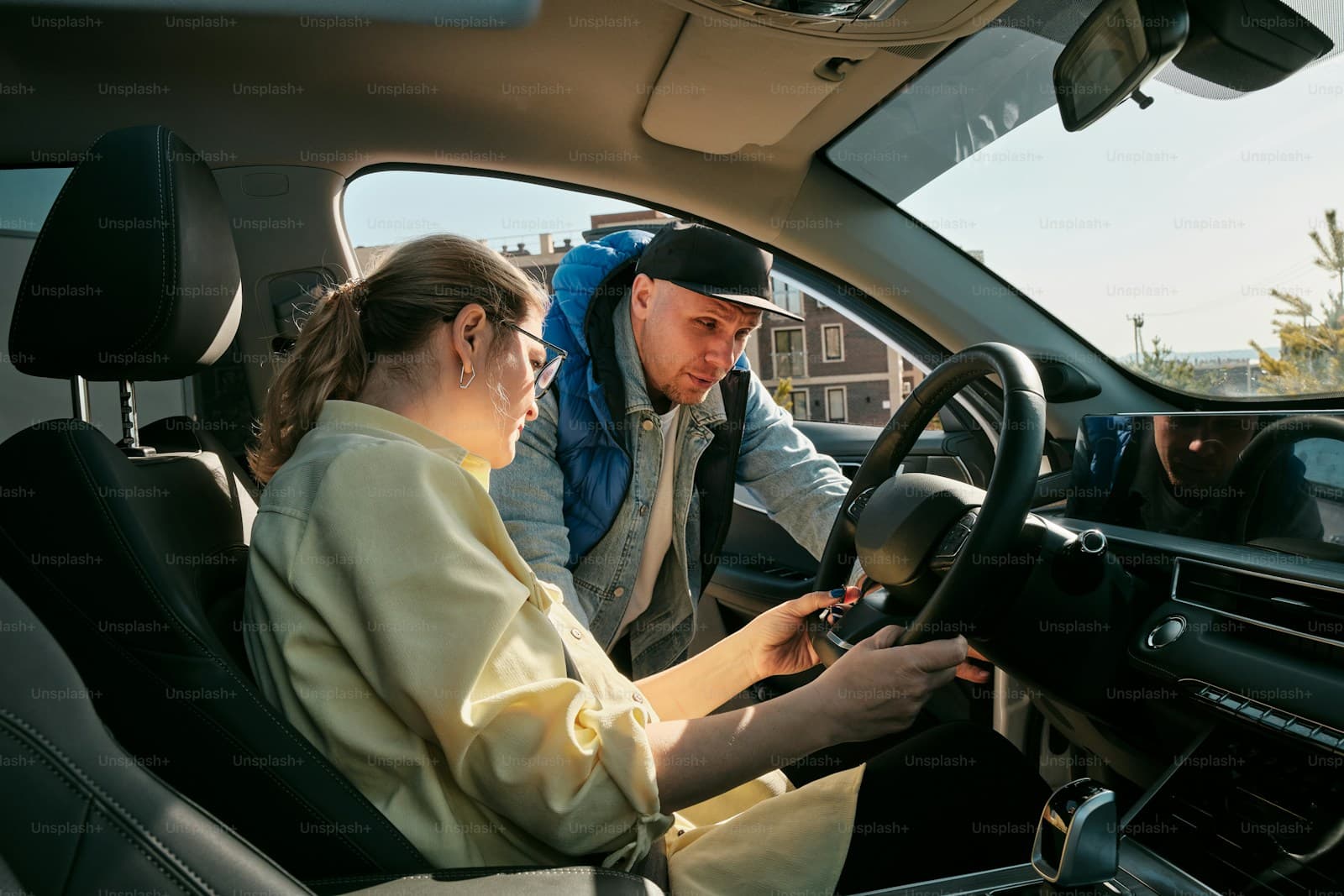
A senior driving assessment is a professional evaluation conducted by an occupational therapist or certified driving rehabilitation specialist — not your insurance company. These assessments test vision, reaction time, physical range of motion, and on-road decision-making in real-world traffic conditions. The evaluation typically takes 2-3 hours and costs between $300 and $500 out of pocket, though some states offer subsidized programs through their Department of Motor Vehicles or Area Agencies on Aging.
Most senior drivers encounter these assessments in one of three situations: a family member requests one after noticing specific concerns, a physician recommends evaluation following a medical event like a stroke or diagnosis that affects driving ability, or a state DMV requires one after an accident or reported incident. Insurance companies rarely mandate these assessments directly, but the results can influence your rates and coverage options depending on the findings and any resulting license restrictions.
The assessment distinguishes between normal age-related changes and functional impairments that affect safety. Many drivers over 70 perform exceptionally well on these evaluations, particularly those who have maintained regular driving habits and have no significant medical conditions affecting cognition or mobility. The specialist provides a written report with specific recommendations, which may include continued unrestricted driving, adaptive equipment suggestions, additional training, or in some cases, recommendations for driving reduction or cessation. state-specific senior driver renewal requirements mature driver course discounts available in your state
How Assessment Results Interact With Your Insurance Premiums
Passing a driving assessment does not automatically lower your insurance premium, but it can provide documentation that supports your case when shopping for better rates or contesting an increase. Some insurers offer mature driver discounts of 5-15% for completing an approved defensive driving course, which is different from a clinical driving assessment but often recommended alongside one. The assessment itself focuses on current ability, while the course demonstrates proactive safety education.
If an assessment identifies areas for improvement and you complete recommended training or install suggested adaptive equipment, you create a documented record of addressing any concerns. This matters most if you're switching insurers or if your current carrier questions your continued coverage after an at-fault accident. Drivers aged 70-79 see average rate increases of 15-30% compared to drivers in their 50s, according to rate analyses by Quadrant Information Services, but individual underwriting varies significantly based on driving record, location, and credit history in states where that factor is permitted.
The critical distinction: insurers rate you based on actuarial age brackets, claims history, and traditional risk factors — not on individual functional assessments. A clean driving record with no claims remains your strongest lever for managing premiums, regardless of whether you've completed a voluntary assessment. However, if your state requires license renewal testing at certain ages and you've passed without restrictions, that official DMV clearance carries more weight with underwriters than a private assessment would.
Compare rates from carriers that specialize in senior drivers
Mature driver discounts, low-mileage rates, and coverage reviews — see what you're actually eligible for.
Get Your Free Quote✓ Mature Driver Discounts✓ No Obligation✓ Licensed Carriers✓ All 50 States
State-Specific Requirements for Senior Driver Testing and Renewal
Sixteen states impose accelerated license renewal schedules or additional requirements for drivers over specific ages, typically beginning at 65, 70, or 75. Illinois requires drivers 75 and older to renew in person with a road test, while California mandates in-person renewal at age 70 but does not automatically require a driving test unless DMV identifies a concern. Florida requires vision tests at every renewal for drivers 80 and older, and New Hampshire reduces renewal periods from five years to three years starting at age 75.
These state requirements are separate from clinical driving assessments, though a DMV examiner can refer a driver for medical or functional evaluation if performance concerns arise during renewal testing. Some states allow physicians or family members to submit confidential reports requesting DMV review of a specific driver, which can trigger a requirement for medical clearance or driving evaluation before license renewal. The Insurance Institute for Highway Safety tracks these policies by state, and requirements change periodically through state legislation.
Your insurance premium is not directly tied to your state's renewal schedule, but maintaining a valid license without medical restrictions is obviously required to obtain coverage at all. If your state has recently implemented stricter renewal requirements and you're approaching the affected age bracket, completing a voluntary driving assessment before your renewal date can help you prepare for any testing and address correctable issues like reduced neck mobility or slower processing speed through targeted exercises or adaptive equipment. This proactive approach often proves less stressful than facing unexpected challenges during a DMV renewal appointment.
When a Driving Assessment Becomes Necessary — and When It's Premature
Specific indicators warrant a professional driving assessment: multiple minor accidents or close calls within six months, getting lost in familiar areas, delayed reaction to traffic signals or merging vehicles, family members consistently declining to ride with you, or diagnosis of a progressive condition affecting cognition or motor control. These are concrete functional concerns, not simply reaching a certain birthday.
Many adult children push for assessments prematurely based on anxiety rather than observable driving problems. If you have a clean driving record, no recent accidents or violations, successfully navigate varied traffic conditions including highway merging and left turns across traffic, and have no medical conditions affecting driving ability, an expensive professional assessment is likely unnecessary. Your annual physical with vision and cognitive screening provides baseline medical clearance, and that's often sufficient for drivers in their late 60s and 70s with strong records.
The decision becomes more nuanced if you've voluntarily limited your driving — avoiding highways, night driving, or unfamiliar routes. These adaptive strategies often represent smart risk management rather than impairment, particularly if you live in an area with challenging traffic or limited lighting. A driving assessment can clarify whether your limitations are necessary or overly cautious, and whether specific interventions like cataract surgery or updated eyeglass prescriptions might safely expand your comfortable driving range. The assessment should answer a specific question about your current ability, not serve as a generic age-based requirement.
How Assessment Recommendations Affect Coverage Decisions
If an assessment recommends restricting your driving to daytime only, local routes, or lower-speed roads, these limitations don't automatically appear on your license unless your state DMV imposes them. However, honestly reporting your actual driving patterns to your insurer can qualify you for low-mileage discounts of 5-20% if you're now driving fewer than 7,500 miles annually. Many retired drivers who no longer commute significantly overpay by maintaining coverage rated for 12,000-15,000 annual miles.
Recommendations for adaptive equipment — extended mirrors, pedal extensions, steering wheel grips, or backup cameras on older vehicles — typically cost $100-800 to implement. Installing recommended equipment and documenting the modifications creates a paper trail showing you've addressed identified concerns, which matters if you're ever involved in an accident and need to demonstrate you were driving responsibly within your known limitations. Some insurers offer small discounts for vehicles equipped with safety technology, though these programs more commonly apply to factory-installed features on newer cars.
If an assessment recommends driving cessation and you disagree with that conclusion, you have the right to seek a second evaluation from a different certified specialist. However, if two independent assessments reach the same conclusion, continuing to drive creates both safety and liability risks. At that point, the insurance question shifts from rate optimization to whether you should maintain coverage at all, and the more pressing concern becomes arranging alternative transportation and potentially selling your vehicle. That's a difficult transition, but making it proactively rather than after an accident protects both your safety and your financial assets.
Insurance Strategies After Completing an Assessment
If your assessment confirms you're safe to continue driving without restrictions, use that moment to review your current coverage for cost efficiency. Many senior drivers maintain comprehensive and collision coverage on paid-off vehicles worth $5,000-8,000, paying $600-1,200 annually for coverage that would pay out only the depreciated value minus your deductible after an accident. If your vehicle is worth less than ten times your combined comprehensive and collision premium, dropping those coverages and maintaining only liability, medical payments, and uninsured motorist protection often makes financial sense on a fixed income.
Medical payments coverage of $5,000-10,000 becomes particularly valuable for senior drivers because it pays your immediate medical bills after an accident regardless of fault, filling gaps while you wait for Medicare to process claims or for liability determinations to resolve. This coverage typically costs $30-60 annually and coordinates with Medicare rather than duplicating it, covering deductibles, copays, and services during the settlement period.
If you completed a state-approved mature driver course as part of your assessment preparation or separately, notify your current insurer immediately and request the discount. This discount typically applies for three years, after which you can retake an updated course to renew it. The course costs $20-35 through AARP, AAA, or online providers, and the insurance discount of 5-15% pays for itself within the first few months. Combining the mature driver discount with low-mileage reporting and appropriate coverage adjustments can reduce your annual premium by $200-500 compared to maintaining unchanged coverage as you age.