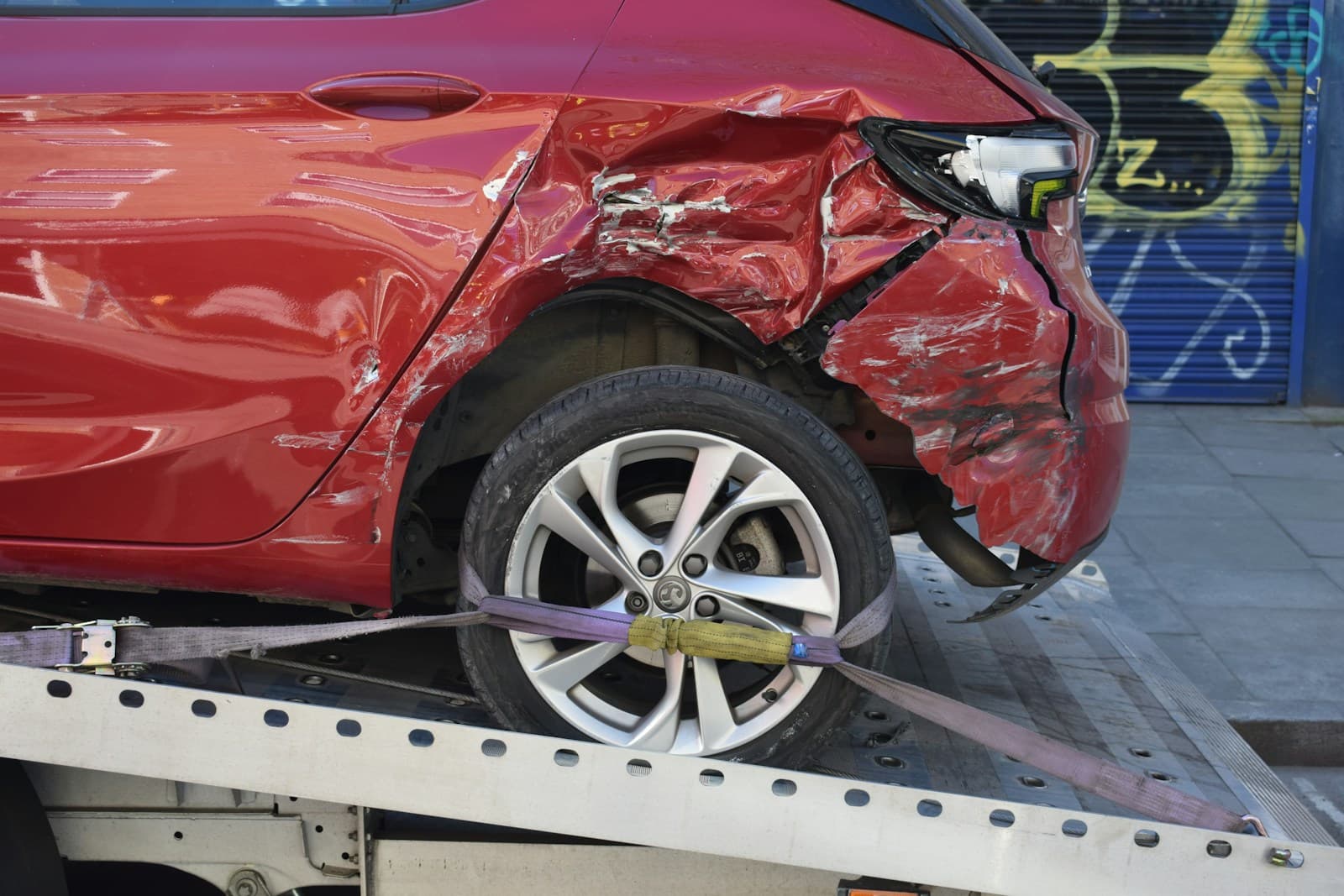
Arizona's minimum liability limits are among the lowest in the nation, and what protected you at 45 may leave you financially exposed at 70 — especially if you're carrying home equity or retirement assets that creditors can pursue after an at-fault accident.
Why Arizona's Minimum Liability Limits Create Risk for Retired Drivers
Arizona requires only 15/30/10 liability coverage: $15,000 per person for bodily injury, $30,000 per accident, and $10,000 for property damage. These limits were set in 1990 and have never been adjusted for inflation or medical cost increases. The average injury claim in Arizona now exceeds $25,000 according to Insurance Information Institute data, meaning a single moderate injury could exceed your per-person limit by $10,000 or more.
For senior drivers carrying home equity, retirement accounts, or other assets, this gap represents direct financial exposure. Arizona law allows injured parties to pursue personal assets beyond your policy limits if your coverage proves insufficient. A driver at age 68 with a paid-off home worth $350,000 and $200,000 in retirement savings faces dramatically different consequences from the same coverage decision than they did at 35 with a mortgage and minimal savings.
Most insurance agents recommend 100/300/100 coverage for drivers with assets to protect — $100,000 per person, $300,000 per accident, and $100,000 for property damage. For a 68-year-old Arizona driver with a clean record, upgrading from state minimum to 100/300/100 typically adds $25–$45 per month. The question isn't whether you can afford the upgrade; it's whether you can afford the asset exposure without it.
How Medicare Affects Your Medical Payments and PIP Decisions
Arizona does not require personal injury protection (PIP), but most carriers offer medical payments coverage as an optional add-on, typically in amounts from $1,000 to $10,000. This coverage pays your medical bills after an accident regardless of fault. For senior drivers enrolled in Medicare, the value calculation changes significantly compared to younger drivers relying solely on private health insurance.
Medicare Part B covers medically necessary treatment after auto accidents, but it functions as secondary coverage if you carry medical payments on your auto policy. Your auto medical payments coverage pays first, up to its limit, and Medicare covers remaining eligible expenses. This means a $5,000 medical payments policy effectively protects your Medicare from initial claims, potentially preventing coverage disputes or delayed reimbursement while fault is being determined.
The cost difference is modest: $2,000 in medical payments coverage typically adds $4–$8 per month for Arizona senior drivers, while $5,000 coverage runs $8–$14 monthly. If you're on a fixed income and Medicare is your primary coverage, $2,000 in medical payments provides a reasonable buffer without duplicating coverage you already have. Drivers with Medicare Advantage plans should verify how their specific plan coordinates with auto medical payments, as rules vary significantly by plan administrator.
Compare rates from carriers that specialize in senior drivers
Mature driver discounts, low-mileage rates, and coverage reviews — see what you're actually eligible for.
Get Your Free Quote✓ Mature Driver Discounts✓ No Obligation✓ Licensed Carriers✓ All 50 States
Arizona's Mature Driver Course Discount: Underutilized and Undervalued
Arizona law does not mandate that insurers offer mature driver course discounts, but nearly every major carrier operating in the state provides them voluntarily — typically ranging from 5% to 15% off your total premium for drivers who complete an approved defensive driving refresher course. For a senior driver paying $110 per month for full coverage, a 10% discount saves $132 annually, and the discount typically remains in effect for three years before requiring course renewal.
AARP offers the most widely accepted mature driver course in Arizona, available both online and in-person, with completion typically taking 4–6 hours. The course fee is $25 for AARP members and $30 for non-members. State Farm, Farmers, Allstate, Progressive, and GEICO all accept AARP course completion for discount eligibility, though the exact percentage varies by carrier. Some insurers apply the discount immediately upon certificate submission; others apply it at your next renewal.
The critical detail most senior drivers miss: you must request the discount and submit your completion certificate. Carriers do not automatically apply mature driver discounts when you turn 55 or 65, and they do not scan public records for course completions. According to AARP's 2023 survey data, approximately 40% of eligible senior drivers in Arizona have never requested the discount despite qualifying for it. If you completed a mature driver course within the past three years and haven't notified your insurer, contact them this week — most will apply the discount retroactively to your last renewal date.
When Dropping Collision and Comprehensive Makes Financial Sense
If you own a paid-off vehicle more than 8–10 years old, the decision to maintain full coverage becomes purely mathematical. Collision and comprehensive coverage pays up to your vehicle's actual cash value minus your deductible, regardless of repair costs. For a 2014 sedan with a current market value of $6,500, carrying a $500 deductible means your maximum potential payout is $6,000 — and only if the vehicle is totaled.
Arizona senior drivers typically pay $45–$75 per month for collision and comprehensive coverage on a vehicle in this value range. Over two years, you'll pay $1,080–$1,800 in premiums to protect a $6,000 maximum recovery. If your vehicle's value has dropped below $5,000, or if you have sufficient savings to replace it without financing, dropping these coverages and maintaining liability-only often makes financial sense. The premium savings can be redirected toward higher liability limits or banked as self-insurance.
The calculus changes if you cannot afford to replace your vehicle out-of-pocket. A driver on a fixed income of $2,400 monthly with $8,000 in accessible savings may reasonably choose to maintain comprehensive coverage even on an older vehicle, accepting the premium cost as protection against an unaffordable replacement scenario. The question isn't the vehicle's age — it's whether the coverage cost over 12–24 months justifies the maximum recovery relative to your financial reserves.
Low-Mileage and Usage-Based Programs for Retired Arizona Drivers
If you're no longer commuting daily and drive fewer than 7,500 miles annually, low-mileage discounts can reduce your premium by 10%–25% depending on the carrier and your actual mileage. Arizona insurers including Metromile, Nationwide SmartMiles, and Allstate Milewise offer explicit pay-per-mile or low-mileage programs where your premium correlates directly to odometer readings or telematics tracking.
For retired drivers averaging 5,000 miles per year — roughly 95 miles weekly — Metromile's Arizona rates typically range from $35–$55 monthly base premium plus 3–6 cents per mile driven. A driver covering 400 miles in a month would pay approximately $47–$79 total, compared to $95–$130 for traditional full coverage on the same vehicle and driver profile. The savings compound for drivers who maintain vehicles primarily for errands, medical appointments, and occasional longer trips rather than daily commuting.
Usage-based programs like Progressive Snapshot and State Farm Drive Safe & Save use telematics devices or smartphone apps to monitor mileage, braking patterns, and time-of-day driving. Senior drivers who avoid rush-hour traffic and maintain smooth driving habits often qualify for discounts of 15%–30% after the initial monitoring period, typically 90–180 days. The primary objection among senior drivers is privacy concern regarding GPS tracking. Most programs allow you to opt for plug-in devices that monitor mileage and driving events without continuous location tracking, though discount potential may be slightly lower than app-based programs.
Uninsured Motorist Coverage: Critical in a State with Rising Uninsured Rates
Arizona does not require uninsured motorist (UM) or underinsured motorist (UIM) coverage, but approximately 12%–14% of Arizona drivers operate without any insurance according to 2023 Insurance Research Council estimates. For senior drivers, this creates a specific risk: if you're injured by an uninsured driver, your only recovery options are suing the at-fault driver personally — often futile if they lack assets — or relying on your own UM coverage.
Uninsured motorist coverage in Arizona typically costs $8–$18 per month for 100/300 limits, mirroring your liability structure. This coverage pays for your medical expenses, lost income, and pain and suffering when an uninsured or hit-and-run driver causes an accident. For retired drivers no longer earning employment income, the lost-income component may seem irrelevant, but UM coverage also compensates for medical costs beyond what Medicare covers, including deductibles, co-pays, and non-covered treatments.
Underinsured motorist coverage extends this protection to scenarios where the at-fault driver carries insurance, but their limits are insufficient to cover your damages. Given that many Arizona drivers carry only the 15/30/10 state minimum, a senior driver with $40,000 in medical expenses after a serious accident could recover only $15,000 from the at-fault driver's policy. UIM coverage bridges that gap, up to your policy limits. For drivers with substantial assets and higher liability limits, matching those limits with UM/UIM coverage creates symmetrical protection — you're protected to the same degree you protect others.
How Arizona Rates Change for Senior Drivers by Age Band
Arizona auto insurance rates for senior drivers typically remain stable or even decrease slightly between ages 65 and 72 for drivers with clean records, reflecting the statistical reality that newly retired drivers often have fewer accidents than working-age commuters. The inflection point arrives around age 73–75, when actuarial data shows modest increases in claim frequency, and premiums begin rising accordingly — typically 8%–15% between age 73 and 78, and 15%–30% after age 80.
These increases reflect industrywide risk models, not individual driving performance. A 76-year-old driver with a clean record and no claims will still see rate increases at renewal, even if their driving habits haven't changed. The countermeasure is proactive discount stacking: mature driver course completion, low-mileage programs, bundling home and auto policies, and maintaining continuous coverage all compound to offset age-based increases. A driver who adds three qualifying discounts totaling 20%–25% can often neutralize age-related increases for several years.
Arizona does not prohibit age-based rating, and carriers vary significantly in how aggressively they price senior drivers. Shopping your coverage every 18–24 months becomes more valuable after age 70, as rate increases at your current carrier may not reflect competitive offers from carriers using different age-curve models. Drivers who haven't compared quotes in three or more years often find savings of $30–$70 per month simply by moving to a carrier with more favorable senior pricing, even with identical coverage.