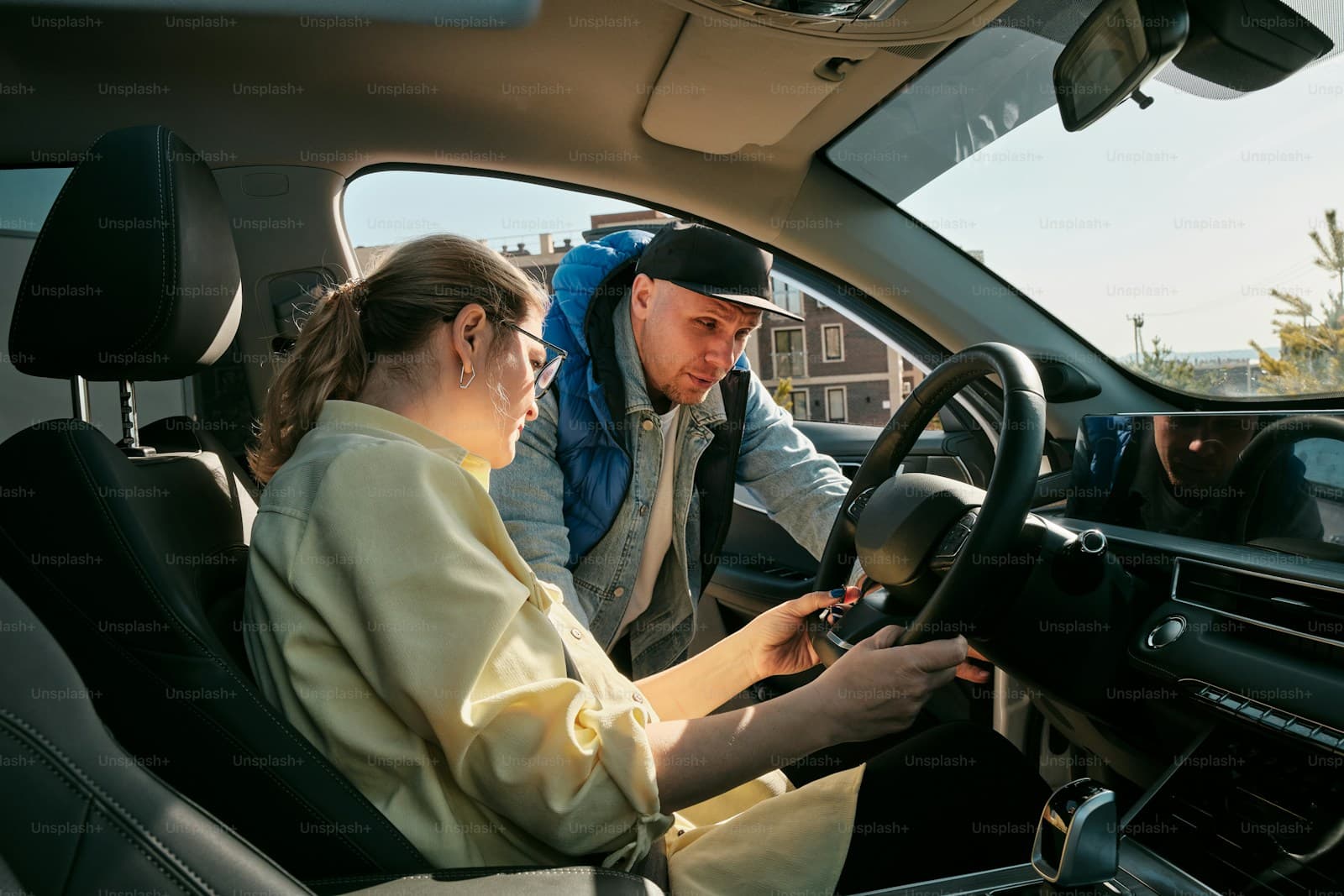
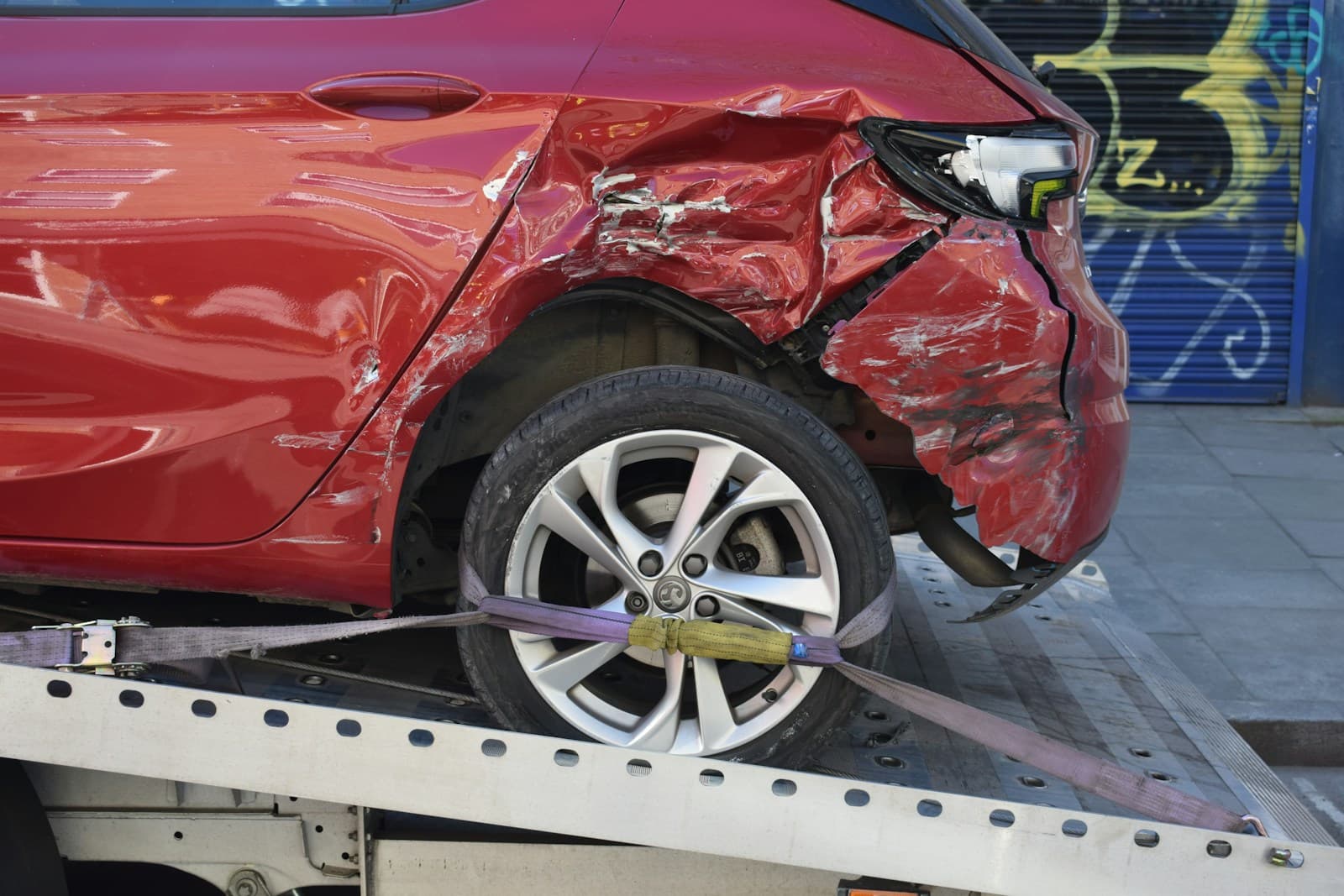
When you lend your car to an adult child who lives out of state or has their own insurance, understanding whose policy responds first — and what gaps exist — can prevent a $50,000+ liability shortfall after even a minor accident.
Whose Insurance Pays When Your Adult Child Drives Your Car
Insurance follows the vehicle, not the driver. When your adult child borrows your car and causes an accident, your auto insurance policy responds first, regardless of whether they maintain their own coverage in another state or on a separate household policy. This principle — known as primary coverage attachment — means your liability limits, your deductible, and ultimately your renewal premium absorb the claim impact.
Your child's personal auto policy may provide secondary coverage if damages exceed your liability limits, but only after your policy has paid its full limit. If you carry the state minimum liability of $25,000 per person in a state like Florida or California, and your daughter causes an accident resulting in $75,000 in injuries, your policy pays the first $25,000. Her policy's liability coverage might cover the remaining $50,000 — but that's not guaranteed, and the gap period while insurers negotiate can leave you personally liable.
This sequence matters significantly for drivers on fixed retirement income. A single at-fault accident caused by an adult child borrowing your vehicle typically increases your premium by 20–40% at renewal, according to Insurance Information Institute rate impact studies. That $85/month premium can become $120/month for the next three to five years, adding $2,100–$2,940 in total cost — even if you weren't behind the wheel.
Permissive Use Coverage: What Your Policy Actually Covers
Nearly all personal auto policies include permissive use coverage, which extends your liability and physical damage protection to any driver operating your vehicle with your permission. You don't need to formally add your adult child as a named driver for coverage to apply when you hand them the keys for a weekend visit or errand. The Insurance Information Institute confirms that standard policies cover occasional permissive drivers without requiring disclosure.
However, "occasional" is the critical qualifier. If your adult son visits monthly and regularly drives your car during those visits, or if your daughter stores her belongings at your address and uses your vehicle twice weekly, many carriers will reclassify that arrangement. Frequent use — generally defined as more than 12–15 times per year or regular access to the vehicle — triggers a household driver disclosure requirement in most states. Failure to list a regular driver can result in claim denial or retroactive premium adjustment.
The financial exposure is substantial. If your insurer determines after an accident that your adult child should have been listed as a household driver, they may pay the third-party claim to comply with state law but then pursue reimbursement from you for the full amount paid. One 2022 case study from the NAIC involved a Virginia policyholder whose insurer paid a $43,000 claim after her son's accident, then successfully recovered that amount from her personally because he had regular vehicle access but wasn't disclosed.
Compare rates from carriers that specialize in senior drivers
Mature driver discounts, low-mileage rates, and coverage reviews — see what you're actually eligible for.
Get Your Free Quote✓ Mature Driver Discounts✓ No Obligation✓ Licensed Carriers✓ All 50 States
State-Specific Rules for Adult Children and Named Driver Requirements
State regulations governing household driver disclosure vary significantly, and the differences directly affect senior drivers who lend vehicles to adult children. California requires insurers to offer named driver exclusions — allowing you to explicitly exclude an adult child from coverage, which prevents your rates from reflecting their risk profile but also means zero coverage if they drive your car. Michigan and New York prohibit these exclusions entirely, meaning any household member with regular access must be rated into your premium.
Florida, Texas, and Pennsylvania allow exclusions but don't require carriers to offer them. If your adult child lives with you even part-time — such as spending three months annually at your home — and has a suspended license or high-risk driving record, confirming whether your state and carrier permit named driver exclusions can save $60–$140/month in premium inflation.
Several states offer exceptions for adult children away at college or living independently. Most carriers will exclude a full-time college student from your premium calculation if they live more than 100 miles away and don't have regular vehicle access during school terms. If your daughter attends university in another state and only drives your car during summer and winter breaks (totaling 10–12 weeks annually), request a student-away discount or temporary exclusion certification from your carrier. The average reduction for correctly documented student-away status is 15–25% on the portion of premium allocated to that driver.
Liability Limits and the Medicare Coordination Gap
Senior drivers often carry lower liability limits than necessary once adult children begin borrowing vehicles, because they're calculating risk based on their own careful driving rather than the statistical profile of a 28- or 35-year-old occasional operator. If you carry $50,000/$100,000 liability and your son causes an accident that injures three people, you face personal asset exposure the moment total claims exceed $100,000.
Unlike your own medical costs — which Medicare covers as primary insurance after an accident where you're not at fault — your liability coverage must pay for injured third parties' medical bills regardless of their insurance status. A 42-year-old pedestrian injured by your adult daughter while she's driving your car won't have Medicare. Their $85,000 in emergency care, surgery, and rehabilitation comes directly out of your policy limits, and any amount exceeding those limits becomes a personal judgment against you.
Increasing liability coverage from $50,000/$100,000 to $100,000/$300,000 typically costs $12–$22/month for drivers over 65 with clean records — a fraction of the cost of a single excess judgment. Umbrella policies, which provide an additional $1–$2 million in liability coverage above your auto policy limits, average $25–$35/month for senior drivers and cover liability claims across your home and auto policies. For those lending vehicles to adult children, umbrella coverage eliminates the asset protection gap that standard state minimums leave exposed.
When Adult Children Should Maintain Non-Owner Policies
If your adult child doesn't own a vehicle but borrows yours more than occasionally, a non-owner car insurance policy protects both of you. These policies provide liability coverage when the named insured drives any vehicle they don't own, and crucially, they provide secondary coverage above your policy limits when they drive your car. Non-owner policies typically cost $25–$45/month for drivers in their 30s with clean records.
The financial logic is straightforward. If your son maintains a non-owner policy with $100,000/$300,000 liability and causes an accident while driving your car that results in $200,000 in injuries, your policy pays first up to your limits — say $50,000/$100,000. His non-owner policy then provides the next $100,000, preventing a personal judgment against either of you. Without his non-owner policy, you'd face a $100,000 gap.
Non-owner policies also maintain continuous coverage history, which prevents the lapse surcharge most carriers apply when someone returns to vehicle ownership after a coverage gap. If your daughter sells her car and relies on borrowing yours for 18 months, then purchases another vehicle, she'll face a 30–50% surcharge for that coverage gap unless she maintained a non-owner policy during the interim. The surcharge typically persists for three years, making the total cost of the gap $1,800–$3,200 — far exceeding the cost of maintaining non-owner coverage.
Disclosure Timing and Premium Impact Management
Contact your insurance carrier before establishing any regular lending pattern with an adult child, not after an accident occurs. Ask explicitly whether occasional use (defined with specific frequency) requires adding them as a listed driver, and request the premium impact estimate in writing. Most senior drivers discover that transparency costs less than post-claim disputes.
If adding an adult child to your policy increases your premium by more than 25%, compare three specific alternatives: purchasing a non-owner policy in their name, increasing your liability limits while keeping them listed as occasional permissive drivers, or — in states that allow it — executing a named driver exclusion if they maintain their own primary vehicle and insurance. Each approach has different coverage gaps and cost profiles.
Document every conversation with your carrier about driver classification and permissive use. If a representative tells you that your daughter's monthly weekend visits don't require listing her as a household driver, request that confirmation in writing via email or secure message. Insurers routinely reverse post-claim positions when documentation exists. One 2023 AARP case review found that policyholders with written confirmation of permissive use classification successfully challenged claim denials in 78% of disputes, compared to 31% for those relying on undocumented phone conversations.
State Programs and Comparative Rate Structures
Premium impact from adding adult children varies dramatically by state due to different rating regulations and mandatory discount structures. States like California and Massachusetts prohibit or heavily restrict age and gender as rating factors, meaning adding a 30-year-old daughter has minimal premium impact. States like Florida, Texas, and Georgia allow full age-based rating, where adding the same daughter might increase premium by 35–60% depending on her individual record.
Several states require insurers to offer household exclusion options or extended permissive use classifications. In Nevada, carriers must allow policyholders to exclude household members who maintain their own policies and primary vehicles, preventing double-premium scenarios. Pennsylvania requires insurers to offer extended permissive use riders that cover regular non-household drivers for a flat additional premium rather than full driver-based rating.
If you're considering whether lending your vehicle to an adult child justifies current coverage costs, comparing how your specific state regulates household driver classification provides concrete data. Senior drivers in Michigan, New York, or New Jersey have fewer coverage structure options due to restrictive state regulation, while those in Arizona, Ohio, or Virginia have significantly more flexibility to structure named exclusions or tiered permissive use coverage.