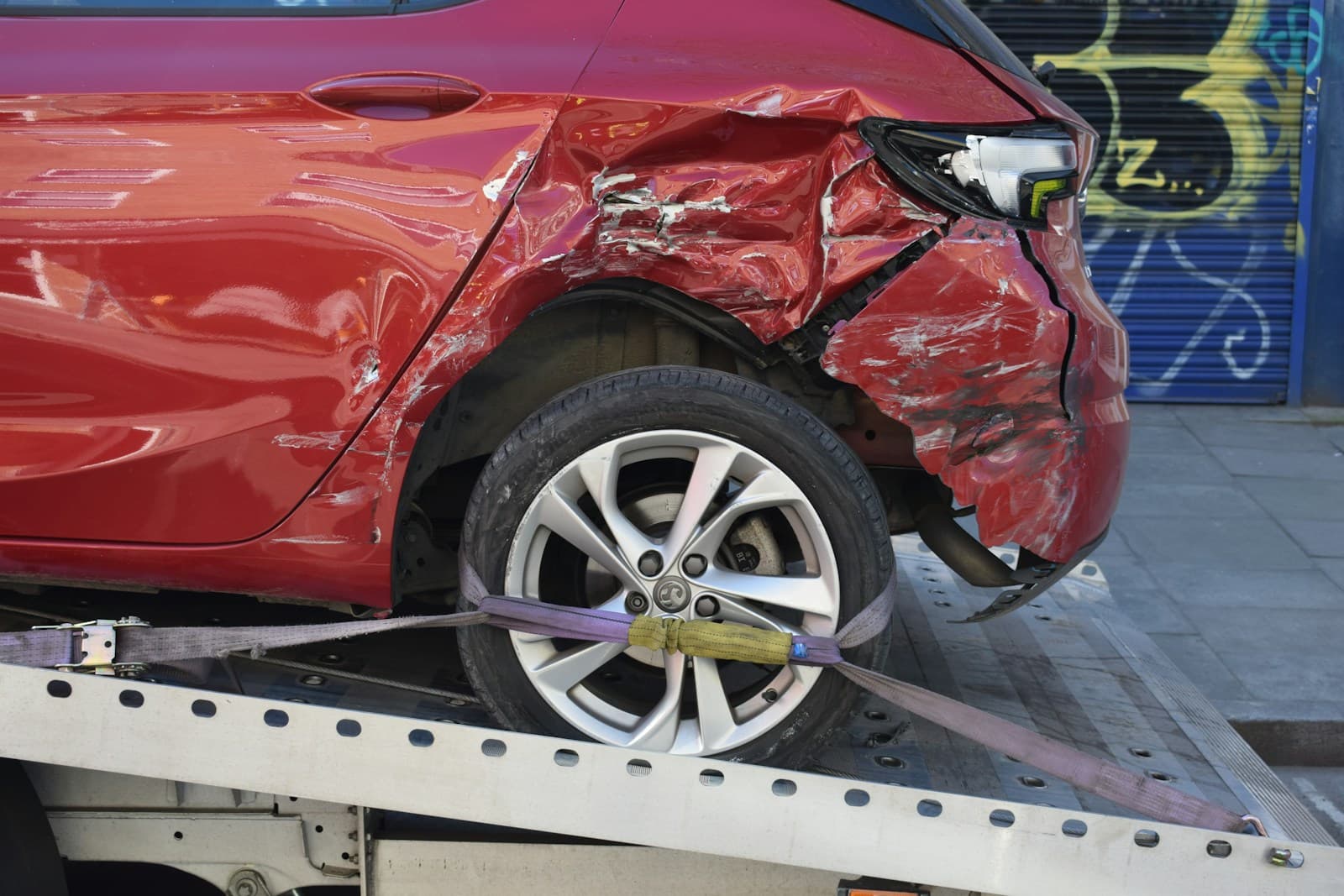
A hit and run charge changes your insurance status immediately — even if you've driven clean for decades. Most senior drivers don't realize the charge stays on your record for 3-5 years in most states, and standard senior discounts often disappear until it clears.
How a Hit and Run Charge Affects Your Current Policy
A hit and run charge — whether you're accused of leaving an accident scene or failing to report property damage — changes your insurance status within days, not at your next renewal. Most carriers review driving records every 30-90 days and will either cancel your policy mid-term or decline to renew once the charge appears on your motor vehicle record. This happens regardless of how long you've been with the carrier or whether you have other discounts in place.
For senior drivers over 65, the financial impact is steeper than it would have been at 45. Carriers that specialize in standard or preferred rates — the tier most experienced drivers occupy — typically exit the relationship entirely after a hit and run charge. You're moved into the non-standard or high-risk market, where premiums average 2-4 times your previous rate and senior-specific discounts like mature driver course reductions or low-mileage credits rarely apply.
The charge remains on your record for 3-5 years in most states, with some states like California keeping it visible for 10 years. During that window, you'll face elevated premiums even if you complete every driver improvement course available and maintain a spotless record otherwise. Understanding the timeline is critical — you're planning for years of higher costs, not months.
What Coverage You're Required to Maintain
After a hit and run charge, your state's minimum liability requirements don't change — but your ability to meet them affordably does. Most states require liability coverage ranging from 25/50/25 to 50/100/50 (bodily injury per person / bodily injury per accident / property damage in thousands). If you were carrying higher limits before the charge, dropping to state minimums may be tempting on a fixed income, but it leaves you exposed if you're involved in another incident during the 3-5 year lookback period.
Senior drivers often ask whether they can drop collision coverage or comprehensive coverage on a paid-off vehicle to offset the rate increase. If your car is worth less than $5,000 and you can afford to replace it out-of-pocket, dropping physical damage coverage makes financial sense — but only after confirming your lender or lessor has no remaining interest. Many seniors still carry full coverage on vehicles worth $3,000-$4,000 simply because they've always had it, paying $80-$120/mo for coverage that would pay out less than $3,000 after deductible.
Medical payments coverage becomes more important, not less, after a hit and run charge. Medicare covers accident-related injuries, but it doesn't cover the initial ambulance ride, emergency room copays, or the gap between the accident and when Medicare processes the claim. A modest medical payments policy — typically $5,000-$10,000 in coverage for $8-$15/mo — ensures you're not paying those costs out-of-pocket while waiting for Medicare coordination.
Compare rates from carriers that specialize in senior drivers
Mature driver discounts, low-mileage rates, and coverage reviews — see what you're actually eligible for.
Get Your Free Quote✓ Mature Driver Discounts✓ No Obligation✓ Licensed Carriers✓ All 50 States
Discounts That Remain Available Despite the Charge
Most senior-specific discounts vanish after a hit and run charge, but state-mandated mature driver course discounts are a critical exception. In states like Florida, Illinois, and New York, carriers are required by law to offer a 5-15% discount to drivers who complete an approved mature driver improvement course — and that requirement doesn't include an exemption for drivers with recent charges. Completing an 8-hour course (often available online for $20-$35) can reduce your premium by $200-$400 annually even while the hit and run charge is active on your record.
The discount applies to the base premium before the surcharge for the hit and run is added, which means the actual dollar savings may be smaller than it was before the charge — but it's still the most accessible form of rate relief available to senior drivers in the non-standard market. The course must be state-approved and completed through a recognized provider like AARP, AAA, or the National Safety Council. Certificates are typically valid for 3 years, so completing the course immediately after the charge appears gives you maximum benefit during the high-rate window.
Low-mileage discounts are less reliable. Standard-market carriers often offer 5-10% reductions for driving fewer than 7,500 miles per year, but non-standard carriers rarely extend the same program. If you're placed with a carrier that does offer mileage-based pricing, enrolling in a telematics program — where the carrier monitors actual mileage via a plug-in device or smartphone app — can validate your reduced driving and preserve some discount eligibility. These programs aren't common in the high-risk market, but they're worth asking about during the quoting process.
How Long Elevated Rates Last and What Triggers Relief
The hit and run charge will affect your premiums for 3-5 years in most states, measured from the date of the incident — not the date of conviction or the date it appeared on your motor vehicle record. Carriers use the incident date as the starting point for their lookback period, which means if there was a delay between the incident and the charge filing, you don't get credit for that gap.
Rates begin to decline incrementally as the charge ages. Most carriers apply the steepest surcharge in year one (often 50-100% above standard rates) and gradually reduce it in years two and three. By year four, if you've had no additional incidents, you may qualify to move back into the standard market — though you'll likely need to shop carriers rather than waiting for your current non-standard carrier to reclassify you. Non-standard carriers rarely move profitable accounts back to their standard-market affiliates voluntarily.
Senior drivers often face an additional timing challenge: turning 70 or 75 during the lookback period. Age-based rate increases typically accelerate after 70, with many carriers adding 10-20% to base premiums for drivers 70-75 and another 15-30% for drivers over 75. If the hit and run charge is still active on your record when you cross one of those age thresholds, you're facing compounded rate increases — the charge surcharge plus the age-tier increase — that can push monthly premiums above $300-$400 for minimum coverage. Shopping aggressively every 6-12 months during this period is critical, as carrier appetite for senior drivers with recent charges varies widely.
Finding Coverage in the Non-Standard Market
After a hit and run charge, most senior drivers are placed with non-standard or high-risk carriers — either a subsidiary of their previous carrier or an entirely different company specializing in drivers with recent violations. These carriers charge higher base rates and offer fewer discounts, but they're often your only option until the charge ages off your record. Expect monthly premiums of $150-$400 depending on your state, the severity of the charge, and whether other factors like age or vehicle type add to the risk calculation.
Some states operate assigned risk pools or state-run programs for drivers who cannot find coverage in the voluntary market. These programs guarantee coverage but at rates that are often 20-40% higher than even non-standard carriers. They should be your last option, not your first — exhaust independent agent quotes and direct non-standard carriers before entering an assigned risk pool.
Working with an independent agent who specializes in high-risk or non-standard coverage is the most efficient path to affordable rates. These agents have access to 10-20 carriers that don't advertise directly to consumers, and they understand which carriers are most lenient with senior drivers who have a single hit and run charge but an otherwise clean decades-long record. The difference between the highest and lowest quote for the same coverage can exceed $100/mo, and you won't find that pricing spread by calling major brand-name carriers directly.
State-Specific Considerations for Senior Drivers
State laws govern how long the hit and run charge remains visible, whether mature driver course discounts are mandated, and what your minimum coverage requirements are. In California, hit and run violations remain on your record for 10 years — far longer than most states — and mature driver course discounts are voluntary, not mandated, meaning fewer carriers offer them in the non-standard market. In Florida, the charge stays visible for 3-5 years, but the state mandates a mature driver discount for anyone over 55 who completes an approved course, and that discount applies even if you're in the high-risk market.
New York requires carriers to offer a 10% discount for mature driver course completion and limits how much carriers can surcharge for a single incident, which can make New York one of the more manageable states for senior drivers facing a hit and run charge. Texas has no mandated mature driver discount, and the non-standard market there is less competitive, often resulting in higher premiums for the same coverage compared to Florida or Illinois.
Some states allow you to request a hearing or appeal the hit and run charge before it's finalized on your motor vehicle record. If you believe the charge was filed in error — for example, you reported the accident but the report wasn't processed correctly — contacting your state's Department of Motor Vehicles and requesting a review within 30 days of notification can prevent the charge from ever affecting your insurance. Once the charge is on your record, removal is nearly impossible even if you later prove it was incorrect.
Next Steps: Quoting and Comparing Your Options
Start the quoting process within 48 hours of learning about the charge. If your current carrier cancels or non-renews your policy, you'll have 10-30 days to secure replacement coverage depending on your state, and waiting until the last week limits your options. Contact an independent agent who works with non-standard carriers, request quotes from at least three carriers, and confirm whether each quote includes the state-mandated mature driver discount if your state requires one.
Bring documentation of your mature driver course completion, your current mileage (if you drive fewer than 7,500 miles per year), and any other factors that might reduce your risk profile — homeownership, bundling with homeowners or renters insurance, automatic payment enrollment. These factors won't offset the hit and run surcharge entirely, but they can reduce the base premium the surcharge is applied to, which lowers your total cost.
Re-quote every 6-12 months even if your rate seems stable. As the charge ages and you add clean driving months to your record, you become eligible for carriers that wouldn't quote you in year one. The difference between your year-one rate and your year-four rate — assuming no additional incidents — can exceed 40-50%, but you'll only capture that relief if you actively shop rather than letting your policy auto-renew with the same non-standard carrier.