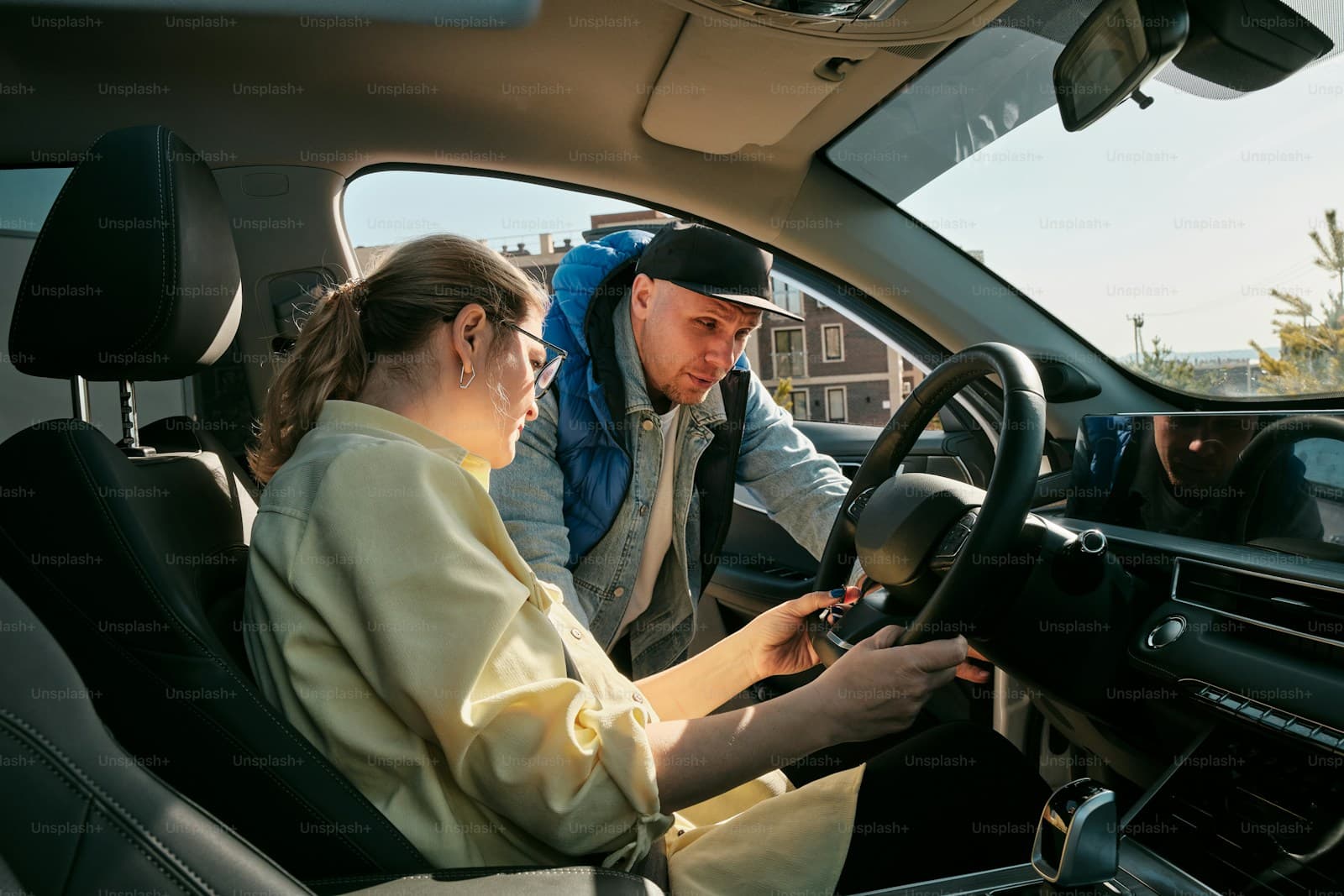
Driver wellness programs can reduce your premiums by 5–20%, but most require you to opt in — carriers won't automatically enroll you at renewal, and the average qualifying senior leaves $150–$350 per year unclaimed.
What Driver Wellness Programs Actually Offer Senior Drivers
Driver wellness programs — sometimes called mature driver courses, defensive driving refreshers, or safe driver training — are state-approved educational courses designed to update driving skills and knowledge. Completing one of these programs typically earns you a premium discount ranging from 5% to 20% depending on your state and insurer, translating to $8–$35/mo in savings for drivers paying average senior rates.
The programs cover updated traffic laws, age-related changes in vision and reaction time, defensive driving techniques, and how medications can affect driving ability. Most courses run 4–8 hours and are available online, in-person through organizations like AARP and AAA, or via approved private providers. In 34 states, insurers are legally required to offer this discount if you complete an approved course, but even in mandate states, you must provide proof of completion — carriers won't track it for you.
What sets these programs apart from generic safe driving advice is state certification and insurer recognition. Your state Department of Motor Vehicles or Department of Insurance maintains a list of approved course providers. Only courses from these approved providers qualify for the insurance discount, and completion certificates typically remain valid for 2–3 years before you need to retake the course to maintain the discount.
How Telematics Programs Work Differently for Seniors
Telematics programs — offered under names like Snapshot (Progressive), SmartRide (Nationwide), and DriveEasy (Geico) — use a mobile app or plug-in device to monitor your actual driving behavior: hard braking, rapid acceleration, nighttime driving, and total mileage. For senior drivers who have reduced their driving since retirement, these programs can deliver discounts of 10–30% based on demonstrated low-risk behavior.
The appeal for seniors is straightforward: if you're driving 4,000 miles annually instead of the national average of 13,500, and you're not commuting during rush hour, the data will reflect that. Most telematics programs offer an initial enrollment discount of 5–15% just for participating, with additional savings determined by your driving data over a 90-day to 6-month monitoring period. Unlike mature driver course discounts that apply uniformly, telematics discounts are personalized to your actual behavior.
The common concern about privacy and monitoring is valid but manageable. Programs track when, where, and how you drive — not conversations or other phone activity. You can typically review your own data through the app and see exactly what behaviors are affecting your score. For senior drivers with clean records and low annual mileage, the financial benefit usually outweighs privacy trade-offs, but it's a personal decision. If your driving patterns include frequent late-night trips or you still drive 10,000+ miles annually, a traditional mature driver course discount may deliver better savings with less monitoring.
Compare rates from carriers that specialize in senior drivers
Mature driver discounts, low-mileage rates, and coverage reviews — see what you're actually eligible for.
Get Your Free Quote✓ Mature Driver Discounts✓ No Obligation✓ Licensed Carriers✓ All 50 States
State-Specific Requirements and Discount Mandates
Premium discounts for completing driver wellness programs vary significantly by state due to different regulatory requirements. California, Florida, New York, and Illinois are among the states that mandate insurers offer mature driver course discounts, with typical savings of 5–15% for drivers 55 and older who complete approved courses. In mandate states, the discount is a legal requirement, but you still must request it and provide proof of completion.
Non-mandate states like Texas, Georgia, and Ohio leave mature driver discounts to individual carrier discretion, meaning discount availability and amounts vary by insurer. In these states, one carrier might offer 10% for course completion while a competitor offers nothing, making it essential to ask specifically about mature driver benefits when comparing quotes. Some insurers in non-mandate states bundle mature driver discounts with other senior programs rather than offering them as standalone benefits.
Course approval standards also vary by state. New York requires an approved 6-hour classroom course with in-person attendance for the discount, while Florida accepts online courses as short as 4 hours. Most states require course renewal every 2–3 years to maintain the discount, but a few including Pennsylvania allow one-time completion with permanent discount eligibility. Your state's Department of Insurance website maintains the official list of approved course providers and current discount requirements — this is the only reliable source for confirming which courses qualify in your state.
Low-Mileage Programs: The Overlooked Wellness Benefit
Many insurers classify low-mileage or usage-based programs alongside driver wellness offerings because they reward safe, reduced driving — exactly what many senior drivers already practice. If you're driving under 7,500 miles annually (the threshold most insurers use), programs like Metromile's pay-per-mile insurance or Allstate's Milewise can reduce your premiums by 20–40% compared to standard policies.
These programs work differently from telematics: instead of monitoring driving behavior, they simply track odometer readings through periodic photos, device check-ins, or mileage self-reporting. You pay a low base rate (typically $30–$50/mo) plus a per-mile charge (usually $0.03–$0.07 per mile). For a senior driver covering 5,000 miles yearly, this structure often costs $500–$800 less annually than a traditional policy priced for average mileage.
The challenge is awareness and availability. Low-mileage programs aren't offered in all states, and many seniors don't realize they qualify or that the savings can stack with mature driver course discounts. If you no longer commute, have reduced your driving radius, or share vehicle duties with a spouse, calculating your actual annual mileage and requesting low-mileage program details from your current insurer is worth 15 minutes. Most carriers won't proactively suggest switching you from a standard policy to a mileage-based one, even when it would save you money.
Combining Wellness Discounts With Other Senior Benefits
Driver wellness program discounts typically stack with other senior-specific benefits, creating compound savings opportunities most drivers miss. A mature driver course discount (10%) can combine with a low-mileage discount (15%), a multi-policy discount for bundling home and auto (20–25%), and a loyalty discount for long-term customer status (5–10%). Applied together, these can reduce your base premium by 35–50%.
The sequencing matters because discounts are usually applied hierarchically rather than additively. A $150/mo base premium with a 10% mature driver discount drops to $135/mo, then a 15% low-mileage discount applies to that reduced amount ($135 × 0.85 = $114.75/mo), not to the original base rate. Understanding this helps you prioritize which discounts deliver the most value: percentage-based discounts on higher base amounts save more than the same percentage on already-reduced premiums.
Practically, this means requesting a detailed discount breakdown when you get a quote or renewal notice. Ask your agent or insurer to itemize which discounts are currently applied, which you're eligible for but not receiving, and whether enrolling in a telematics or wellness program would increase or decrease your total savings compared to your current discount stack. Many senior drivers discover they're receiving a loyalty discount but missing a mature driver course discount worth twice as much — information that only surfaces when you explicitly ask for the comparison.
Enrollment Process and Documentation Requirements
Enrolling in a driver wellness program for insurance purposes requires completing a state-approved course and submitting a completion certificate to your insurer, typically within 30–60 days of finishing. AARP's Smart Driver course, AAA's Roadwise Driver program, and state-specific approved providers all issue certificates immediately upon completion for online courses, or within 1–2 weeks for in-person classes. You'll need to send this certificate to your insurance company via email, through their mobile app, or by mail.
Most insurers apply the discount at your next policy renewal rather than mid-term, meaning if you complete a course two months before renewal, you'll see the savings when your policy renews; complete it one week after renewal, and you may wait nearly a full year for the benefit. Timing your course completion 30–60 days before your renewal date maximizes immediate savings. Some carriers do allow mid-term discount application, but it's not standard — you have to ask specifically.
For telematics programs, enrollment is usually immediate through your insurer's mobile app or website, with monitoring beginning as soon as you install the app or plug-in device. The initial participation discount (typically 5–15%) applies immediately, with additional behavior-based discounts calculated after the monitoring period ends (90 days to 6 months). You'll receive periodic score updates and a final discount determination that applies at your next renewal. If your driving score doesn't qualify for additional savings, you keep the initial participation discount but won't receive behavior-based increases.
When Wellness Programs Don't Make Financial Sense
Driver wellness programs aren't universally cost-effective for every senior driver. If you're already receiving maximum senior discounts through long-term loyalty, multi-policy bundling, and a spotless driving record, adding a 5–8% mature driver course discount to an already heavily discounted premium may save only $5–$10/mo — not worth the time investment for some drivers. Similarly, if your state doesn't mandate the discount and your current insurer doesn't offer one, you'd need to switch carriers to capture the benefit, which may not be worth the transition effort.
Telematics programs can backfire for seniors who drive in challenging conditions or maintain higher annual mileage. If you frequently drive in dense urban traffic (which increases hard braking incidents), make regular long-distance trips to visit family, or drive at night due to work or caregiving responsibilities, your telematics score may not qualify for meaningful discounts. Some drivers have reported score penalties for behaviors like driving in the early morning hours, which may be unavoidable if you're attending medical appointments or managing specific schedules.
The cost-benefit calculation is simple: estimate the annual dollar savings from the program, subtract any course fees ($20–$35 for most mature driver courses), and divide by the hours required to complete it. If a $25 course requiring 6 hours of your time saves you $180 annually ($15/mo × 12), that's $155 net savings for 6 hours — roughly $26/hour value. If the same course saves you only $60 annually ($5/mo × 12), the value drops to $6/hour for your time. Your personal threshold for worthwhile savings will determine whether enrollment makes sense.