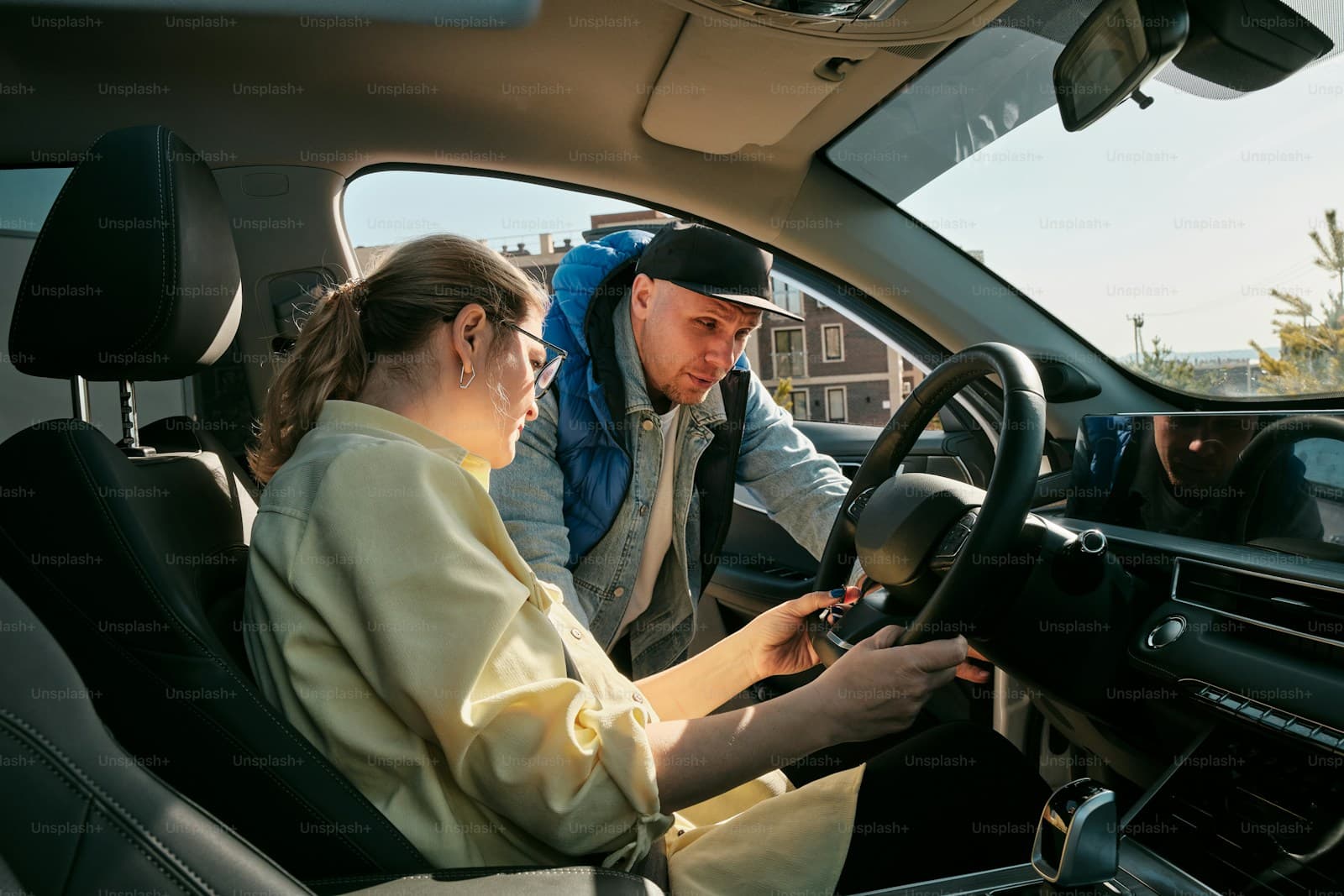
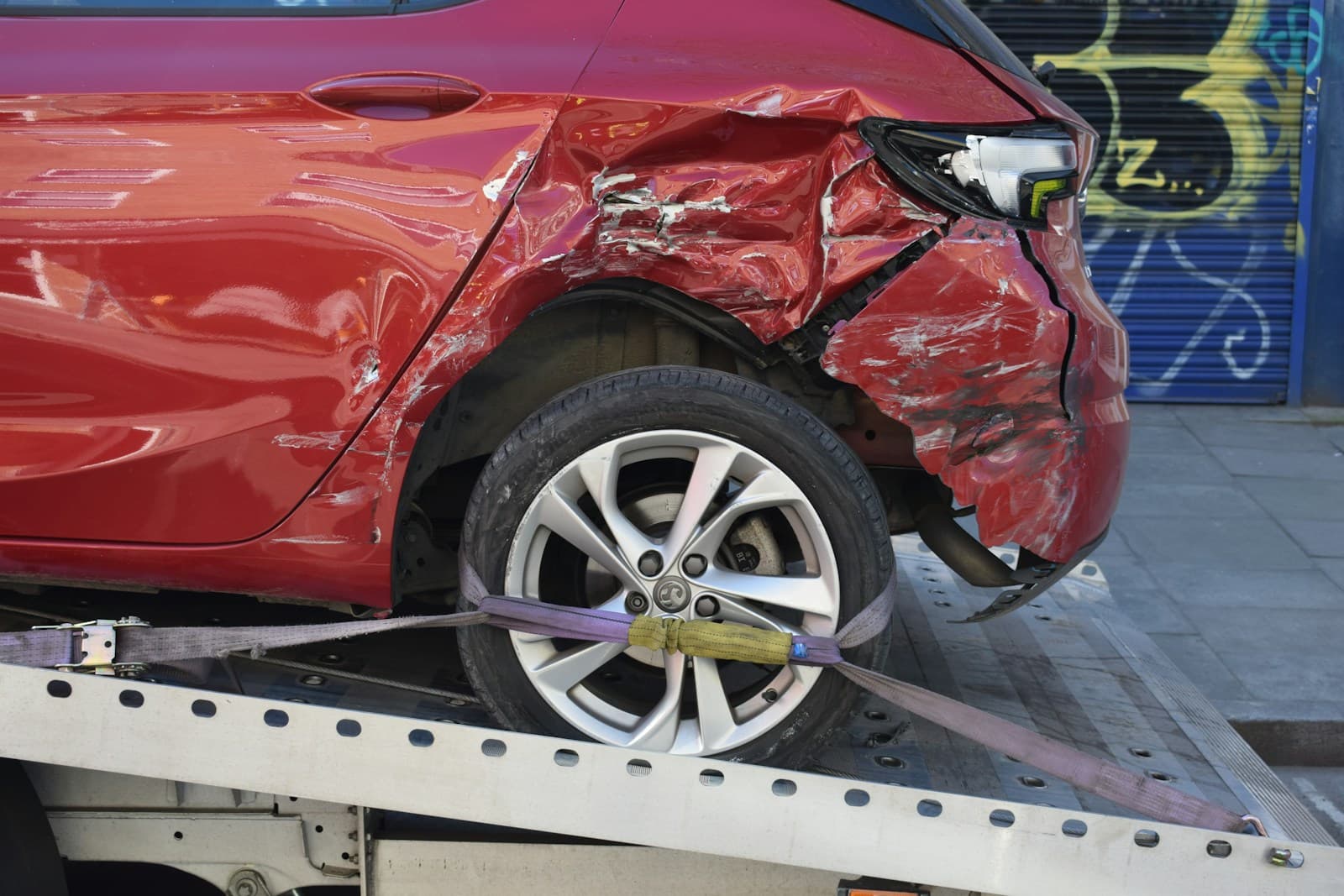
If you regularly drive grandchildren to school, activities, or appointments, your coverage needs and your rates may differ from what you carried during your working years — and most carriers won't tell you which adjustments protect you without costing more than necessary.
Why Regular Grandchild Transport Changes Your Coverage Calculation
When you drive grandchildren regularly — defined by most carriers as three or more times per week — you've added what actuaries call "frequent non-household passenger exposure." This shifts your risk profile in two directions simultaneously: higher bodily injury liability exposure because you're transporting minors you're legally responsible for, and lower annual mileage if these short trips replaced longer commutes you no longer make. The average grandparent who drives grandchildren 8–12 times per month logs 2,400–3,600 additional miles annually, but 68% report total annual mileage under 7,500 miles — well within low-mileage discount thresholds in most states.
The coverage gap emerges because standard liability limits of $100,000 per person may not adequately protect you if a serious accident injures a grandchild you're transporting. Medical costs for pediatric trauma care average $85,000–$340,000 depending on injury severity, and while your liability coverage applies to passengers, medical payments coverage often caps at $5,000–$10,000 per person on policies written for drivers who reported minimal passenger transport during quoting. If your adult children have health insurance covering the grandchildren, that becomes primary — but coordination of benefits can still leave gaps your auto policy must fill.
Most carriers don't ask about grandchild transport frequency during renewal. They assume your vehicle use remains consistent with what you reported when the policy originated. If that original application described occasional errands and medical appointments, your current use pattern may now fall outside your policy's rated exposure. This rarely triggers a coverage denial, but it means you may be underinsured for your actual risk while simultaneously overpaying because you haven't disclosed mileage reductions that qualify for discounts.
Medical Payments and Liability Limits That Match This Use Pattern
For senior drivers transporting grandchildren regularly, the standard coverage adjustment is increasing medical payments coverage from the typical $5,000 to $10,000 or $25,000 per person, and raising bodily injury liability from state minimums to at least $250,000 per person / $500,000 per accident. The cost difference is smaller than most expect: moving from $5,000 to $25,000 medical payments adds $8–$18 per month in most states, while increasing liability from $100,000/$300,000 to $250,000/$500,000 typically adds $15–$35 per month for drivers 65–74 with clean records.
Medical payments coverage works differently than you might assume when Medicare is involved. If you're 65 or older and on Medicare, and you injure a grandchild in an at-fault accident, your auto policy's medical payments coverage applies first to the child's injuries — Medicare doesn't cover non-policyholders. The grandchild's health insurance (typically through their parents) becomes primary for their injuries, but your liability coverage fills gaps and covers costs that exceed health plan limits. For your own injuries, Medicare becomes secondary to your auto policy's medical payments or personal injury protection, meaning your auto coverage pays first up to its limit, then Medicare covers remaining eligible expenses.
Many senior drivers ask whether they need medical payments coverage at all if they have Medicare and a supplement plan. The answer changes when you regularly transport others. For your own injuries, medical payments coverage of $5,000–$10,000 covers your Medicare Part A deductible ($1,632 in 2024) and Part B deductible ($240 in 2024), plus copays your supplement might not fully cover. For grandchildren you transport, medical payments provides immediate expense coverage while liability and health insurance claims process. The practical value: medical payments pays quickly without fault determination, covering immediate expenses like ambulance transport ($450–$2,200 depending on distance) and emergency room treatment before other coverage kicks in.
Compare rates from carriers that specialize in senior drivers
Mature driver discounts, low-mileage rates, and coverage reviews — see what you're actually eligible for.
Get Your Free Quote✓ Mature Driver Discounts✓ No Obligation✓ Licensed Carriers✓ All 50 States
How to Disclose Regular Passenger Transport Without Triggering Rate Increases
Updating your policy to reflect regular grandchild transport doesn't automatically increase your base rate, but the conversation with your agent or carrier matters. The triggering question is annual mileage and vehicle use classification, not passenger identity. When you contact your carrier to adjust coverage, frame the disclosure around total annual mileage first: "I'm retired and no longer commuting, my annual mileage has dropped to approximately 6,500 miles, mostly local trips under 15 miles. I do drive my grandchildren to school and activities regularly, which is why I want to review my medical payments and liability limits."
This framing accomplishes three things: it establishes that you qualify for low-mileage discounts (typically applied at 7,500 miles or less annually), it explains the reason for coverage adjustments without suggesting higher-risk use, and it positions you as a careful driver proactively managing appropriate coverage. The mileage reduction often generates a discount of 5–15% on your base premium, which partially or fully offsets the cost of increased medical payments and liability limits. In states like California, Pennsylvania, and Washington, low-mileage programs can reduce premiums by $180–$420 annually for drivers logging under 7,500 miles per year.
Avoid volunteering that you transport minors daily or describing yourself as a "regular driver" for your grandchildren during school year — this can prompt carriers to reclassify your vehicle use from "pleasure" to "commute" or create a non-household regular driver inquiry. The accurate description is "retired, low annual mileage, occasional passenger transport" even if that passenger transport happens regularly. You're describing vehicle use (low mileage, local trips), not creating a narrative about childcare arrangements. Most carriers care about total miles driven and trip distance averages, not passenger frequency, unless you're adding a regular driver to the policy.
State-Specific Programs and Discounts That Apply to This Situation
Seventeen states mandate or incentivize mature driver course discounts that range from 5% to 15% of your total premium, and these stack with low-mileage discounts. Florida requires carriers to offer a minimum 10% discount for drivers 55+ who complete an approved mature driver improvement course, while Illinois mandates discounts but allows carriers to set the percentage (typically 5–10%). The courses cost $20–$35 for online versions and must be renewed every three years in most states. For a senior driver paying $1,200 annually, a 10% mature driver discount saves $120 per year, or $360 over the three-year certification period — a 10-to-1 return on the course fee.
Low-mileage programs vary significantly by state and carrier. Usage-based programs like Snapshot (Progressive), SmartRide (Nationwide), and Drivewise (Allstate) can reduce premiums by 10–30% for drivers who log low annual mileage and avoid hard braking events, but they require smartphone apps or plug-in devices that some senior drivers find intrusive. Pay-per-mile programs like Metromile (available in California, Illinois, Virginia, and six other states) charge a low monthly base rate plus a per-mile fee — typically $0.02–$0.06 per mile. For a senior driver logging 500 miles monthly, pay-per-mile coverage can cost 30–40% less than traditional annual policies.
Several states offer additional considerations for senior drivers transporting minors. Michigan's no-fault personal injury protection covers all vehicle occupants regardless of fault, which provides strong protection for grandchildren but comes with higher premium costs ($2,400–$4,200 annually for full coverage on average). New York requires $50,000 per person in personal injury protection that covers medical expenses for all passengers, making additional medical payments coverage less critical. In contrast, states with lower minimum liability requirements like Alabama (25/50/25) or Mississippi (25/50/25) make higher voluntary liability limits especially important when regularly transporting grandchildren.
When Full Coverage Still Makes Sense on a Paid-Off Vehicle
The standard advice to drop collision and comprehensive coverage on paid-off vehicles over 10 years old changes when you depend on that vehicle for regular grandchild transport. If losing the vehicle would force you to rent a car at $45–$75 per day while arranging replacement transportation for grandchildren, the cost of keeping collision coverage and comprehensive coverage often justifies itself. The calculation hinges on replacement cost, deductible amounts, and how quickly you could replace the vehicle without financing.
For a paid-off 2016–2019 vehicle worth $8,000–$15,000, collision and comprehensive coverage with a $1,000 deductible typically costs $35–$65 per month for senior drivers with clean records. If the vehicle were totaled, you'd receive the actual cash value minus your deductible — likely $7,000–$14,000. The question is whether you have that amount in accessible savings to replace the vehicle immediately, or whether an insurance payout would be your replacement funding. If you'd need to finance a replacement or if going without a vehicle for 2–4 weeks would disrupt grandchild care arrangements your family depends on, maintaining full coverage makes sense even on a paid-off vehicle.
The break-even calculation: if your vehicle is worth $10,000 and collision/comprehensive costs $50 monthly ($600 annually), you're paying 6% of the vehicle's value annually for coverage. If the vehicle depreciates to $6,000 over the next three years while you pay $1,800 in coverage costs, you've spent 30% of the final value on coverage. At that point, dropping to liability-only makes financial sense unless the vehicle's role in your family transportation creates dependencies that outweigh the pure math. Many senior drivers find the break-even point occurs when the vehicle's value drops below $5,000–$6,000, or when annual coverage costs exceed 10–12% of the vehicle's current value.
What to Review With Your Agent Before School Year Starts
Schedule an annual policy review in July or August, before school-year transportation patterns begin. Come to that conversation with three data points: your odometer reading from 12 months ago and current (to calculate actual annual mileage), the approximate number of trips per week you'll drive grandchildren, and the typical distance of those trips. This gives your agent the information needed to identify applicable discounts without creating ambiguity about vehicle use.
Ask specifically about these five coverage and discount opportunities: (1) low-mileage or pay-per-mile program eligibility if your annual mileage is under 7,500 miles, (2) mature driver course discount availability and approved course providers in your state, (3) current medical payments coverage limits and the cost to increase to $25,000 per person, (4) your current liability limits and the cost to increase to $250,000/$500,000, and (5) whether your collision deductible should be raised from $500 to $1,000 to reduce premium if you have savings to cover the higher out-of-pocket cost in a claim.
Document the current cost of your coverage and the cost with recommended adjustments in writing. For most senior drivers transporting grandchildren regularly, the optimal adjustment is: increase medical payments from $5,000 to $25,000 (+$8–$18/month), increase liability from $100,000/$300,000 to $250,000/$500,000 (+$15–$35/month), add or confirm you're receiving low-mileage discount (-$15–$35/month), and add mature driver course discount if available in your state (-$10–$15/month). The net change typically ranges from a $5/month increase to a $10/month decrease, while significantly improving protection for the grandchildren you transport and yourself.