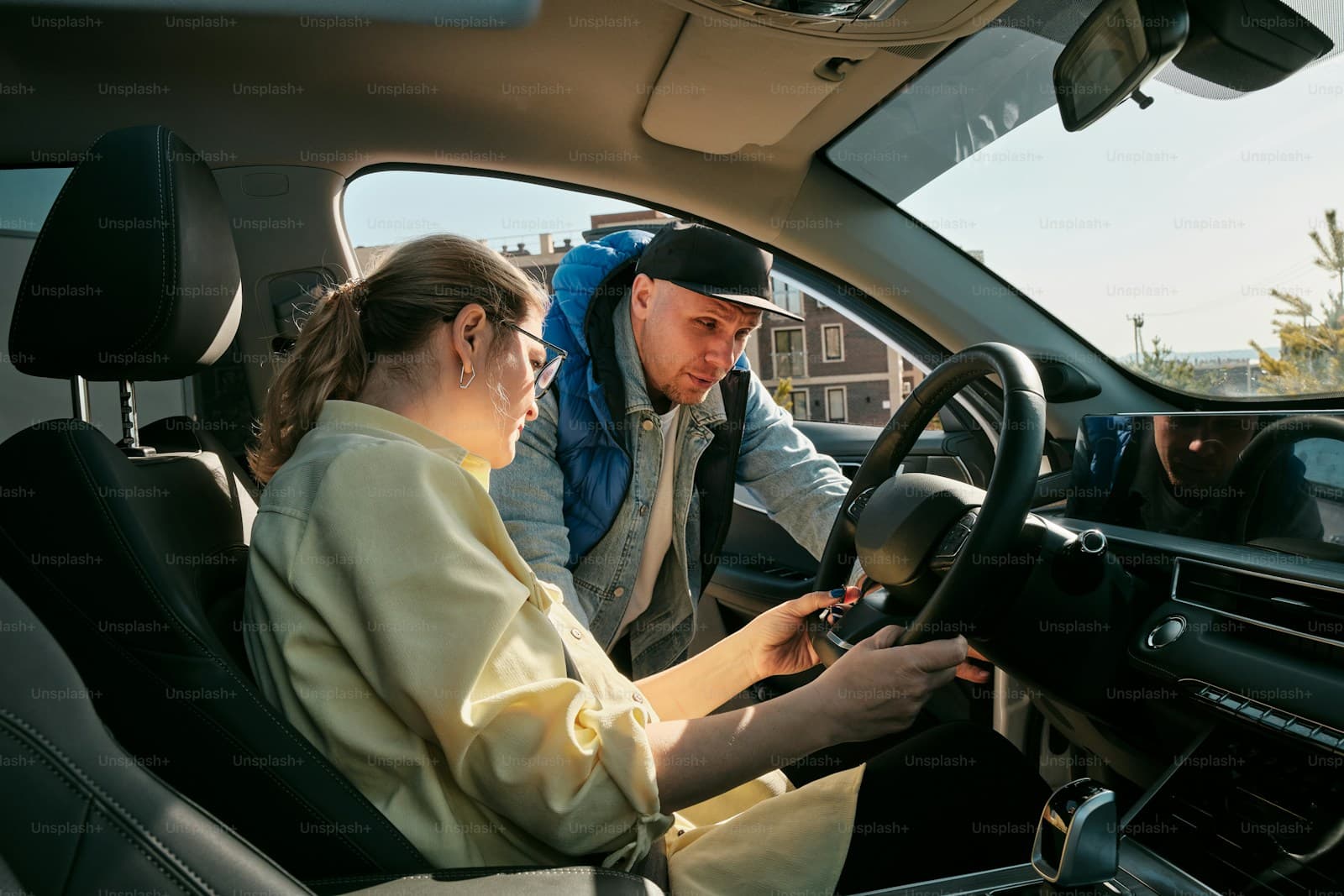
If you've started using a mobility scooter for some errands but still drive regularly, your auto insurance needs don't disappear — but the coverage calculations change, and most carriers won't adjust your premium unless you document the mileage reduction accurately.
Why Mobility Scooter Use Changes Your Auto Insurance Picture
When you start using a mobility scooter for neighborhood errands, grocery runs, or short trips that used to require your car, your annual vehicle mileage typically drops between 2,000 and 5,000 miles depending on how frequently you substitute the scooter for driving. Most auto insurers offer low-mileage discounts starting at thresholds between 7,500 and 10,000 miles per year, but these discounts aren't applied automatically at renewal — you need to report the mileage change and request recalculation. The discount range for qualifying seniors typically falls between 5% and 15% of your premium, translating to $150–$350 in annual savings for drivers paying average rates.
The challenge is documentation. Insurers won't accept a verbal estimate that you're "driving less now." They require either odometer verification through periodic photo submissions, enrollment in a usage-based insurance program that tracks actual mileage via a plug-in device or smartphone app, or annual odometer readings verified during policy renewal. Some carriers designed for senior drivers — including The Hartford and AARP-affiliated programs — have streamlined mileage verification processes specifically for this situation.
Your mobility scooter itself typically requires no auto insurance coverage. These devices are classified as mobility aids rather than vehicles in most states, and any liability arising from scooter use would fall under homeowners or renters insurance, not your auto policy. However, if you transport the scooter using a vehicle-mounted carrier or lift, you should verify with your insurer that the equipment is covered under your comprehensive coverage in case of theft or damage while attached to your vehicle.
State-Specific Programs That Recognize Reduced Driving
State insurance regulations vary significantly in how they treat mileage-based discounts and whether insurers are required to offer them. California, for example, requires all auto insurers operating in the state to offer mileage-based rating as one factor in premium calculation, which benefits seniors who document reduced driving. The California Department of Insurance reports that drivers shifting from 12,000 annual miles to 6,000 miles see average premium reductions of 15–20% when properly documented.
Florida has no state mandate requiring low-mileage discounts, but most major carriers operating there offer them voluntarily, with verification requirements that tend to be more stringent. Florida seniors using mobility scooters part-time should specifically ask about "pleasure use" rating versus "commute" rating — if you've retired and no longer drive to work, this classification change alone can reduce premiums 10–15% before any mileage discount is applied. Pennsylvania offers mature driver course discounts mandated by state law (typically 5% for three years after course completion) that can stack with voluntary low-mileage discounts, creating combined savings of 15–25% for seniors who both complete the course and document reduced annual mileage below 7,500 miles.
Texas has neither mandated low-mileage discounts nor standardized verification methods, making carrier selection particularly important for seniors in this situation. Some Texas insurers offer snapshot-style programs where you install a device for 90 days to establish your actual mileage pattern, after which your rate adjusts permanently. Others require annual odometer verification with no mid-term adjustments. The difference in premium impact between these approaches can exceed $200 annually for a senior driver reducing mileage from 10,000 to 5,000 miles per year.
Compare rates from carriers that specialize in senior drivers
Mature driver discounts, low-mileage rates, and coverage reviews — see what you're actually eligible for.
Get Your Free Quote✓ Mature Driver Discounts✓ No Obligation✓ Licensed Carriers✓ All 50 States
Coverage Adjustments to Consider When Driving Less
Reducing your annual mileage doesn't automatically mean you should reduce coverage limits, but it does change the cost-benefit calculation for certain optional coverages. Collision and comprehensive coverage on a paid-off vehicle becomes harder to justify financially when you're driving 5,000 miles per year instead of 12,000 — your exposure to accident risk drops proportionally, while the coverage cost remains largely fixed. A common decision point: if your vehicle is worth less than 10 times your annual collision and comprehensive premium combined, dropping these coverages and self-insuring that risk often makes financial sense for seniors on fixed income.
However, liability coverage should never be reduced regardless of mileage. Your legal exposure in an at-fault accident doesn't decrease just because you drive less frequently — in fact, some data suggests that very low-mileage drivers may have slightly elevated per-mile accident rates due to reduced recent driving practice. Most senior drivers should maintain liability limits of at least 100/300/100 (meaning $100,000 per person for injuries, $300,000 per accident, and $100,000 for property damage), and many insurance professionals recommend 250/500/100 for seniors with assets to protect, since these higher limits typically cost only $15–$30 more per month than state minimums.
Medical payments coverage deserves special attention for seniors using mobility scooters. This coverage pays for medical expenses after an auto accident regardless of fault, and it coordinates with Medicare rather than duplicating it. For seniors with Medicare Parts A and B, medical payments coverage fills the gaps that Medicare doesn't cover immediately after an accident — emergency transport, initial emergency room deductibles, and expenses incurred before Medicare processes the claim. The typical cost is $8–$15 per month for $5,000 in medical payments coverage, which provides meaningful financial buffer for seniors on fixed income who might struggle with sudden out-of-pocket medical costs.
How to Document Mileage Reduction to Your Insurer
Most carriers require 30–90 days of documented reduced mileage before applying a low-mileage discount, which means you can't simply report an estimate at renewal and expect immediate adjustment. The most accepted documentation method is enrollment in the insurer's telematics or usage-based program, where a plug-in device or smartphone app tracks actual miles driven. These programs typically run for 90 days to establish your baseline, then lock in your discount. For seniors uncomfortable with app-based tracking, the alternative is submitting dated, timestamped odometer photos at the beginning and end of your policy period, though this method usually means waiting until renewal for any premium adjustment.
Some carriers designed for senior drivers offer hybrid verification: you report your estimated annual mileage at policy inception, receive a provisional discount, then verify actual mileage at renewal. The Hartford's AARP Auto Insurance program uses this approach, applying an initial discount when you report mileage under 7,500 annual miles, then reconciling at renewal with odometer verification. If your actual mileage exceeded your estimate by more than 20%, you may owe a premium adjustment, but this is typically spread across the next policy period rather than billed as a lump sum.
Document the transition period carefully. When you first start using a mobility scooter for errands that previously required driving, track both your scooter usage and remaining car mileage for at least two months before contacting your insurer. Note specific trip substitutions: "I now use my scooter for grocery shopping at the store 0.8 miles away, which previously accounted for six car trips per week totaling approximately 120 miles per month." This level of specificity helps insurers process your mileage reduction request efficiently and reduces the likelihood of documentation requests that delay your discount application.
What Happens If You Stop Driving Entirely
Some seniors transition gradually from partial mobility scooter use to eventually stopping driving altogether, while others maintain their driver's license and vehicle registration even when driving becomes rare. If you reach the point where you drive less than 1,000 miles per year or only in specific limited circumstances, you enter a different insurance category that most standard auto policies don't address well.
"Stored vehicle" or "comprehensive-only" coverage is designed for vehicles that remain registered and insured but are driven rarely or not at all. This coverage maintains your continuous insurance history (important for avoiding coverage gaps that trigger rate increases if you resume regular driving) and protects the vehicle against non-driving risks like theft, vandalism, weather damage, and fire, but removes liability and collision coverage since the vehicle isn't being driven. The cost is typically $15–$40 per month depending on the vehicle's value and your location. This option makes sense if you want to keep the vehicle available for occasional use or for family members to drive when visiting.
If you surrender your license or decide definitively not to drive, you can cancel auto insurance entirely, but this creates a coverage gap that will increase your premiums significantly if you ever need to resume coverage. For seniors who might need to drive again after a medical recovery or temporary mobility limitation, maintaining at least stored vehicle coverage preserves your insurance history and renewal eligibility. The premium difference between canceling entirely and maintaining stored vehicle coverage is typically $180–$480 annually — meaningful but often worthwhile for the optionality it preserves.
Carriers That Understand the Partial Mobility Scooter Situation
Not all insurers handle partial driving reduction well. Many standard carriers have rigid mileage brackets (0–5,000 miles, 5,001–10,000 miles, etc.) that don't granularly reward the specific mileage reduction that mobility scooter use creates. Carriers with senior-focused programs tend to offer more nuanced mileage rating and simpler verification processes.
The Hartford, which administers AARP's endorsed auto insurance program, has streamlined low-mileage verification specifically for senior drivers and offers mileage discounts starting at annual mileage below 10,000 miles with additional tiers at 7,500 and 5,000 miles. Their mature driver course discount (typically 5–10% depending on state) stacks with mileage discounts, and they don't require app-based tracking if you're willing to submit odometer verification at renewal. National General offers a similar senior-focused program with mileage brackets at 7,500, 5,000, and 2,500 annual miles, and their SmartRide telematics program specifically accommodates very low mileage drivers who might otherwise not generate enough data for usage-based discount calculation.
Regional carriers in some states offer better value for very low-mileage senior drivers than national brands. In California, Wawanesa offers mileage-based rating that adjusts premiums proportionally for any mileage reduction rather than using broad brackets, which benefits seniors whose scooter use reduces annual mileage from 8,000 to 5,500 miles — a reduction that might not cross a bracket threshold with other carriers. State-specific options vary significantly, making it worthwhile to check what regional carriers operate in your state and whether they offer more granular mileage-based rating than national competitors.