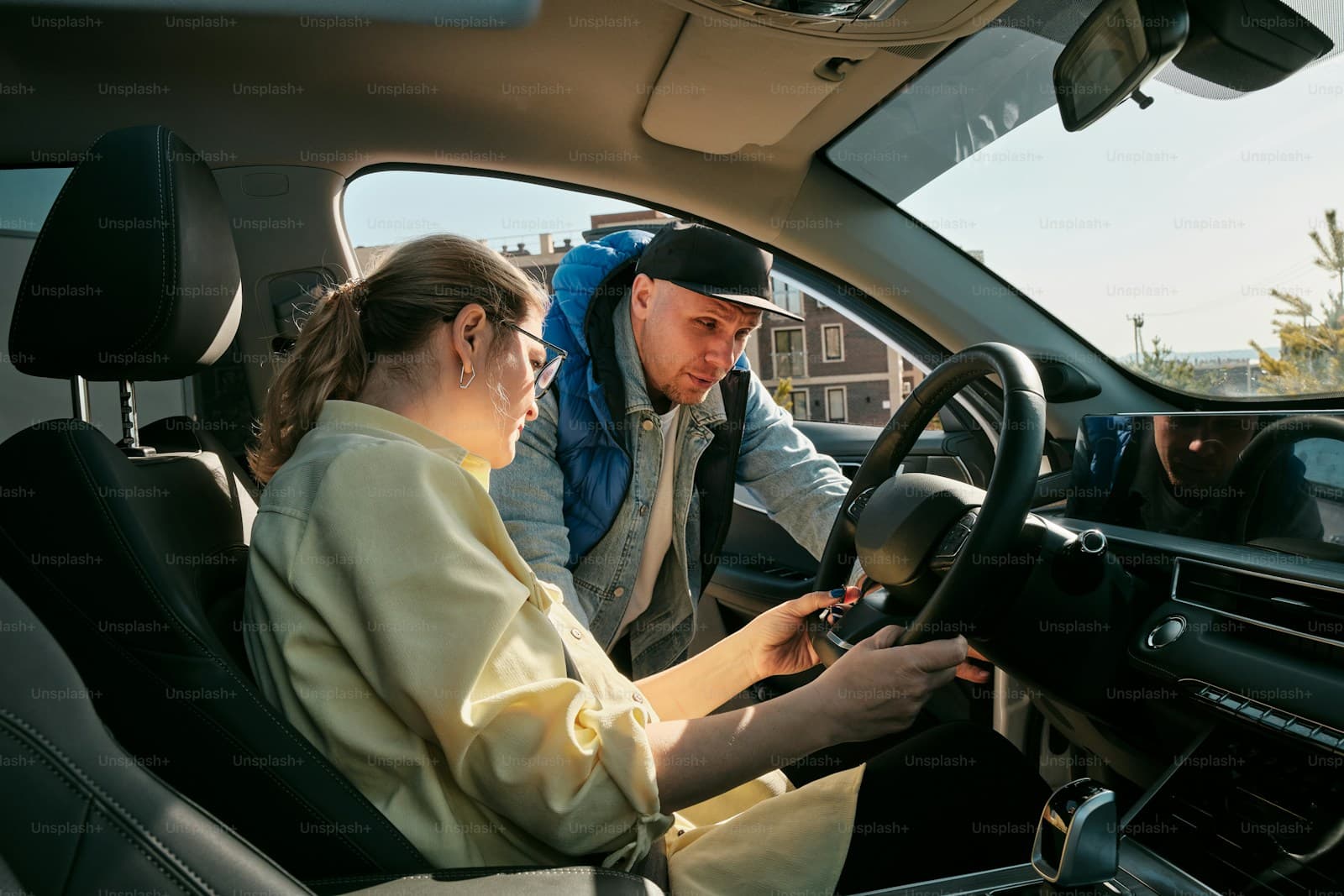
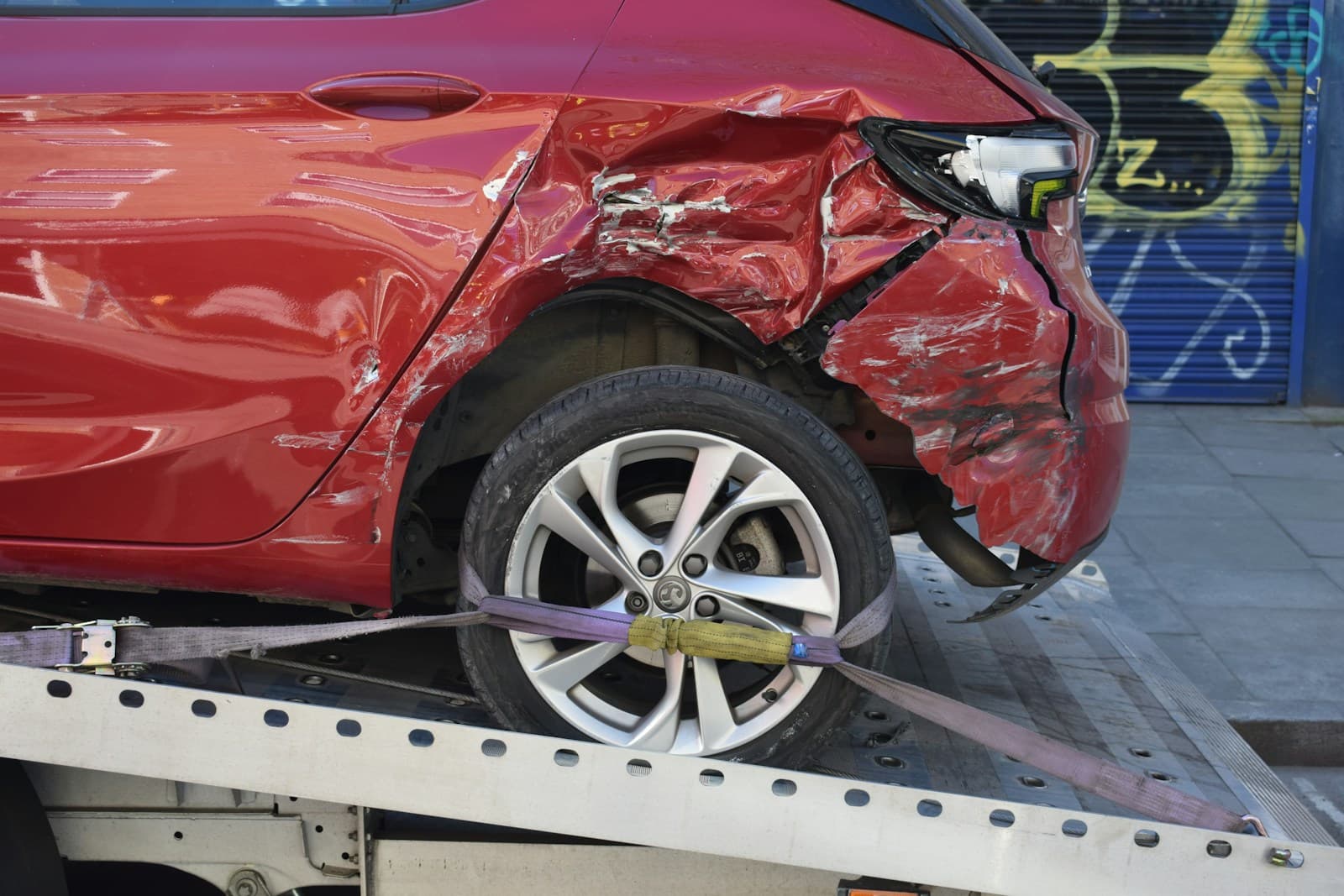
If someone helps you with errands, medical appointments, or daily tasks using your car, your auto insurance policy may not cover them the way you think it does—and failing to list them could leave you paying out-of-pocket after an accident.
When a Caretaker Becomes a Regular Driver Under Your Policy
Insurance companies define a "regular driver" as anyone who uses your vehicle with predictable frequency, typically once per week or more. If your caretaker drives you to medical appointments every Tuesday, picks up groceries on Thursdays, or takes you to social activities on weekends, most carriers consider them a regular operator regardless of whether they live with you. This triggers a disclosure requirement that exists separately from the named insured.
The household resident rule is stricter: any licensed driver living at your address must be listed on your policy or formally excluded, even if they never drive your car. If your caretaker lives with you—whether as a live-in aide, family member, or companion—they fall under this requirement automatically. Failing to disclose a household resident can void your coverage entirely, not just deny a specific claim.
Carriers differ on how they treat non-household caretakers who drive regularly. State Farm and Allstate typically require any regular driver to be listed as a rated operator, which adds their driving record and age to your premium calculation. USAA and Geico offer more flexibility for occasional permissive use, but define "occasional" as fewer than 12 uses per year. If your caretaker drives your vehicle 50 times annually for medical appointments, you've crossed into regular driver territory with nearly every major insurer.
How Adding a Caretaker Affects Your Premium
Adding a driver to your policy recalculates your rate based on their age, driving record, and claims history—not yours. If your caretaker is 35 with a clean record, expect your premium to increase 15–25% because you've added a second operator in a statistically higher-risk age bracket than a senior driver with decades of experience. If your caretaker is under 25, the increase can reach 50–80%, even if you're the primary driver and they use the vehicle only for your errands.
Your own safe driving discount, mature driver course discount, and low-mileage rate don't insulate you from this increase. Insurers rate the policy based on all listed drivers, and the youngest or highest-risk operator often becomes the determining factor for your overall premium tier. A 72-year-old driver paying $95/mo with a clean record could see rates jump to $140–170/mo after adding a 28-year-old caretaker, even though the senior's driving behavior hasn't changed.
Some carriers offer a "named driver exclusion" option, which formally removes a household member or regular driver from coverage. This keeps your rate unchanged, but means that person has zero coverage if they drive your car—even in an emergency. If your caretaker has their own auto policy with liability coverage, their insurance may cover them while driving your vehicle as a permissive user, but this varies by state and carrier. Confirm this in writing before excluding anyone, because assumptions about coverage transfer are the most common source of denied claims.
Compare rates from carriers that specialize in senior drivers
Mature driver discounts, low-mileage rates, and coverage reviews — see what you're actually eligible for.
Get Your Free Quote✓ Mature Driver Discounts✓ No Obligation✓ Licensed Carriers✓ All 50 States
State-Specific Rules on Permissive Use and Caretaker Drivers
California, Nevada, and Arizona allow broader permissive use coverage, meaning occasional drivers are covered under your liability limits even if not listed by name—but "occasional" is interpreted narrowly, and weekly medical trips typically don't qualify. Florida, Michigan, and New York require explicit listing of anyone who drives more than a few times per year, and Michigan's no-fault PIP system means an unlisted driver could trigger a claim denial that affects injury coverage, not just vehicle damage.
Texas and Georgia allow named driver exclusions but don't require insurers to offer them, so availability depends on your carrier. Pennsylvania and New Jersey prohibit named exclusions entirely, meaning every household resident must be listed and rated—there's no option to exclude a live-in caretaker to keep your rate down. If you live in one of these states and your caretaker moves in, your premium will reflect their driving profile whether they touch your keys or not.
Some states mandate coverage for permissive users under the vehicle owner's liability policy regardless of listing status, but this doesn't extend to comprehensive or collision coverage on the vehicle itself. If your unlisted caretaker causes an accident, your liability insurance may cover the other party's injuries and damage, but your own vehicle repair falls under collision coverage—which insurers often deny if the driver wasn't disclosed as a regular operator. The result: you pay out-of-pocket to fix your own car even though the other driver was compensated.
How to List a Caretaker Without Overpaying
Request a formal quote with your caretaker listed before making any changes to your policy. Insurers must provide this in writing, showing the exact premium increase and how it's calculated. Compare this to your current rate and assess whether the coverage justifies the cost. If the increase is $40–60/mo and your caretaker drives you three times per week, the coverage may be worthwhile. If the increase is $120/mo for someone who drives you twice per month, a named exclusion or alternative arrangement may make more sense.
Ask whether your caretaker's own auto insurance includes a "drive other car" or non-owned vehicle endorsement. Many personal auto policies extend liability coverage to vehicles the policyholder doesn't own, as long as they're driving with permission. If your caretaker maintains their own policy with this coverage, they may already be protected while driving your car—but confirm the limits match or exceed yours, and verify whether this coverage is primary or secondary to your own policy.
Some insurers offer a "occasional driver" or "part-time driver" designation that rates the added driver at a lower percentage than a primary operator. Erie, The Hartford, and American Family have offered this in select states, typically reducing the added premium by 30–50% compared to listing the person as a co-primary driver. This option isn't widely advertised, so you must ask directly and confirm it applies to caretaker arrangements, not just household family members.
If your caretaker is a family member who lives elsewhere and has their own vehicle and insurance, some carriers allow them to remain unlisted as long as they don't drive your car more than 12 times per year. Keep a simple log of dates and purposes if you're near this threshold—documentation protects you if a claim is filed and the insurer questions driver frequency.
What Happens If You Don't Disclose a Regular Caretaker Driver
Claim denial is the most common consequence, and it doesn't require proof of fraud—just evidence that you failed to disclose a regular driver. If your caretaker has an accident while driving your vehicle and the insurer discovers they've been driving you weekly for six months, the claim will likely be denied in full. You'll be responsible for the other party's vehicle damage, medical bills, and your own repairs, even if you've paid premiums faithfully for years.
Some states allow insurers to rescind your entire policy retroactively if they determine you misrepresented household members or regular drivers during the application or renewal process. This is called policy rescission, and it's legal in Texas, Georgia, Ohio, and Indiana when material misrepresentation is proven. The insurer refunds your premiums and voids all coverage as if the policy never existed, leaving you personally liable for any accidents that occurred during the coverage period.
Carriers conduct post-claim investigations that include interviews, phone records, and even caretaker service agreements if you receive formal home care. If your caretaker is employed through an agency, that agency's records showing scheduled visits become evidence of regular use. Informal arrangements with family or friends are harder to document, but insurers can subpoena cell phone location data, toll records, or pharmacy pickup logs showing your caretaker transported you regularly.
The financial risk is asymmetric: the premium increase from listing a caretaker might be $500–1,200 per year, but a single denied claim after an at-fault accident could cost $25,000–75,000 in vehicle damage and injury liability. For senior drivers on fixed income, this isn't a recoverable expense. The disclosure requirement exists because insurers price risk based on all operators, and hiding a regular driver artificially lowers your premium at the expense of the risk pool.
Alternatives If Adding Your Caretaker Isn't Affordable
Hire a caretaker who maintains commercial hire-and-drive insurance or works through an agency that provides it. Many professional caretaker services carry commercial auto policies that cover their employees while transporting clients, regardless of whose vehicle is used. This shifts liability to the agency's insurer and keeps your personal auto policy unchanged. Confirm this coverage in writing and verify the agency's policy limits—many carry only $100,000 in liability, which may not be adequate if you live in a high-cost area.
Use rideshare or medical transport services for appointments instead of having your caretaker drive your vehicle. Medicaid and Medicare Advantage plans in most states cover non-emergency medical transportation (NEMT), and many local Area Agencies on Aging offer subsidized or free rides for seniors. This eliminates the insurance question entirely while often reducing your annual mileage enough to qualify for a low-mileage discount on your own policy.
If your caretaker is a family member, consider whether they should become a co-owner of the vehicle and obtain their own policy listing it. This works when the caretaker uses the car as often as you do, transforming the arrangement from "your car with a regular driver" to "shared vehicle with two insured owners." It typically results in two separate premiums rather than one combined policy, but in some cases—especially when the caretaker is over 30 with a clean record—the combined cost is lower than adding them to a senior's policy.
Switch to a carrier that offers better rates for multi-driver households. The Hartford and AARP Auto Insurance Program (underwritten by The Hartford) are designed for senior drivers and tend to rate added drivers less aggressively than standard carriers. If you're currently with Geico or Progressive and facing a 40% increase to add a caretaker, The Hartford may increase your rate only 20–25% for the same driver profile.