If you're driving a paid-off vehicle worth under $8,000, you may be overpaying for coverage you don't need — but dropping the wrong protections can expose you to costs Medicare won't cover.
When Full Coverage Stops Making Financial Sense
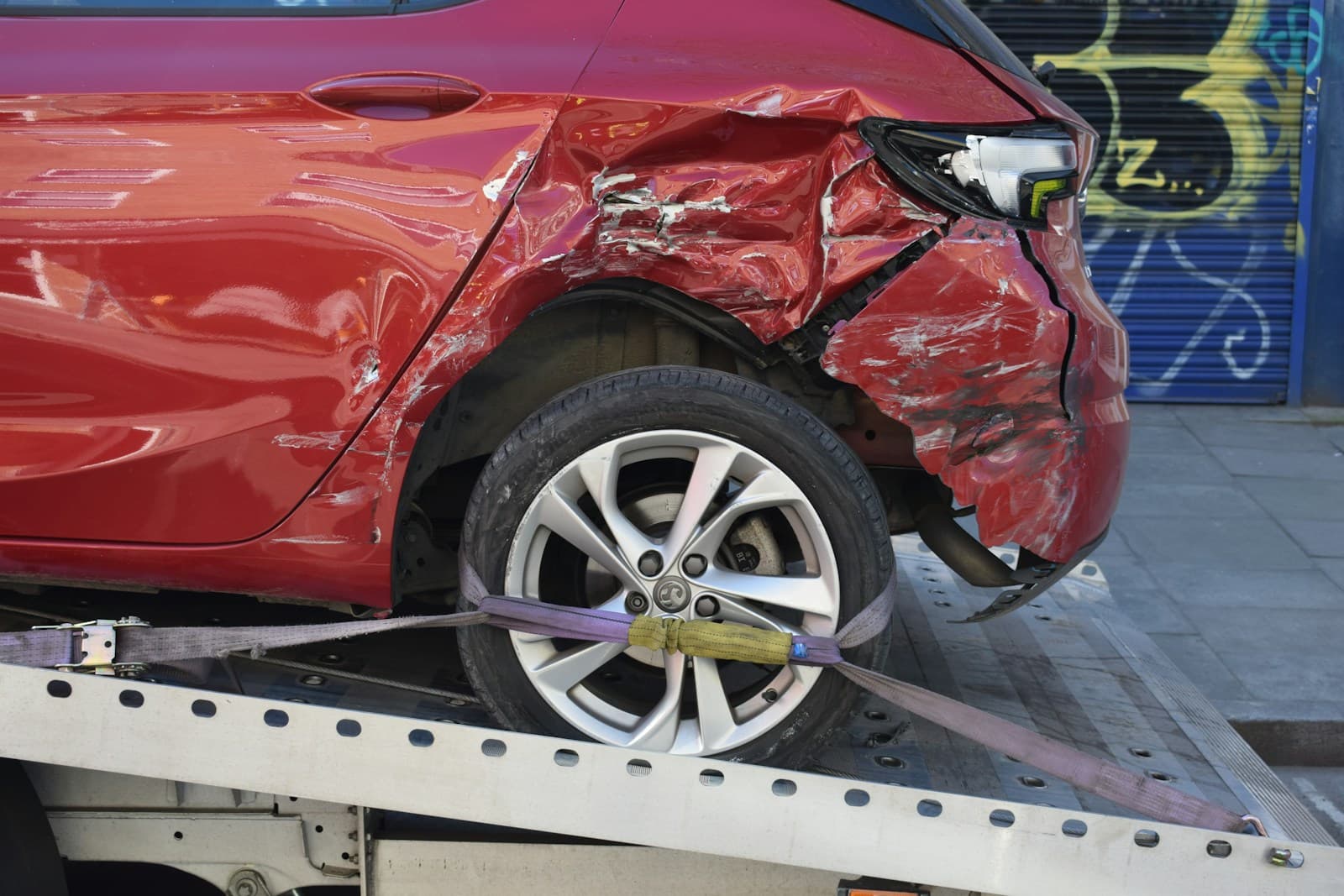
A vehicle worth $7,500 with a $500 collision deductible leaves you with a maximum payout of $7,000 after a total loss. If you're paying $45/month for collision coverage, you'll spend $1,620 over three years — nearly 23% of the vehicle's current value — for protection that depreciates monthly. For most senior drivers on fixed incomes, collision coverage becomes cost-negative when annual premiums exceed 10% of the vehicle's actual cash value.
The math changes completely for comprehensive coverage. While collision protects against accidents you cause, comprehensive covers theft, vandalism, hail damage, hitting a deer, and windshield replacement — events that remain equally likely regardless of your vehicle's age. Comprehensive premiums for vehicles under $8,000 typically run $12–$22/month, and a single windshield replacement costs $200–$400 out of pocket without coverage.
Most carriers won't let you keep comprehensive without collision, but some do — and it's worth asking. If your insurer requires both or neither, the decision becomes: are you prepared to absorb a total vehicle replacement from your retirement savings, and can you afford the smaller but more frequent comprehensive claims that Medicare will never reimburse?
The Medicare Gap That Catches Senior Drivers Off Guard
Medicare Part B covers medical expenses after an auto accident once you've met your deductible, but it will never pay a cent toward vehicle repairs, replacement, or property damage you cause. Many senior drivers assume their health coverage reduces the need for robust auto insurance — it doesn't. If you drop collision and total your $6,500 car, you're replacing it entirely from savings.
More importantly, liability coverage becomes more critical after retirement, not less. If you cause an accident and your liability limits are too low, creditors can pursue your retirement accounts, home equity, and Social Security benefits in many states. A driver with $25,000 in bodily injury liability who causes $80,000 in injuries faces a $55,000 personal judgment. For this reason, most financial advisors recommend senior drivers maintain liability limits of at least $100,000/$300,000, regardless of vehicle value.
Medical payments coverage (MedPay) fills a specific gap for senior drivers: it pays immediately after an accident without waiting for Medicare processing, covers your Medicare deductibles and copays, and extends to passengers who may not have health insurance. At $5–$12/month for $5,000 in coverage, it's one of the most cost-effective protections for drivers on Medicare.
Compare rates from carriers that specialize in senior drivers
Mature driver discounts, low-mileage rates, and coverage reviews — see what you're actually eligible for.
Get Your Free Quote✓ Mature Driver Discounts✓ No Obligation✓ Licensed Carriers✓ All 50 States
State-Specific Programs That Lower Premiums on Older Vehicles
Seventeen states mandate insurance discounts for senior drivers who complete state-approved defensive driving courses, with savings typically ranging from 5% to 15% for three years. In Florida, the discount is mandatory and applies to all coverage types, potentially saving $180–$350 annually even on a liability-only policy. California requires insurers to offer the discount but lets them set the percentage, resulting in a wider range of $120–$400 in annual savings.
Low-mileage programs deliver another 5–30% discount for drivers logging under 7,500 miles annually — common for retirees who no longer commute. Unlike telematics programs that monitor braking and speed, mileage-based discounts typically require only an annual odometer photo or declaration. For a senior driver paying $85/month for liability and comprehensive on a $7,000 vehicle, a 20% low-mileage discount cuts premiums by $204 annually.
Some states offer additional rate protections. Pennsylvania prohibits insurers from using age alone as a rating factor after 65, though they can still consider accident history and claims. Massachusetts requires all insurers to offer mature driver discounts and bars age-based rate increases for drivers over 65 with clean records. These state-level protections can mean the difference between a 15% rate increase at age 70 and a rate freeze.
Liability Limits That Protect Retirement Assets
The difference in premium between state minimum liability and $100,000/$300,000/$100,000 coverage averages $18–$32/month for senior drivers with clean records — but the protection gap is enormous. Minimum liability in many states is $25,000 per person for injuries, an amount that hasn't changed since the 1970s and falls catastrophically short in any serious accident.
For senior drivers with home equity, retirement accounts, or other assets, umbrella liability policies provide $1 million in additional coverage for $150–$300 annually. These policies sit above your auto insurance and activate only after your underlying liability limits are exhausted. They also cover incidents your auto policy doesn't, including certain lawsuits and libel claims.
If you're judgment-proof — meaning you have no significant assets beyond protected retirement income — minimum liability limits may be adequate from a pure financial perspective. However, most senior drivers fall somewhere in between: enough assets to lose in a judgment, but not enough to absorb a vehicle replacement without financial strain. This is the group that benefits most from raising liability limits while strategically dropping collision coverage on vehicles worth under $8,000.
How Vehicle Value Changes Your Coverage Decision Timeline
Insurance companies determine actual cash value by subtracting depreciation from replacement cost, not by your vehicle's sentimental or functional value to you. A 12-year-old sedan you've maintained meticulously may be worth $6,800 to your insurer but irreplaceable to you at that price in today's used car market. This gap matters when deciding whether to keep collision coverage.
Run the break-even calculation annually: divide your vehicle's current value by your annual collision premium. If the result is under 10 years, collision coverage still offers reasonable value. For a $7,200 vehicle with $42/month collision coverage, that's $7,200 ÷ $504 = 14.3 years — well past the point where collision makes financial sense. At that ratio, you're better off banking the premium savings in a vehicle replacement fund.
One exception: if your vehicle's value dropped suddenly due to market conditions or you recently inherited or received the car, its insured value may be locked in at a higher amount for the policy term. Check your declarations page for the stated amount. Some senior drivers discover they're paying $38/month to insure a vehicle their carrier values at $11,500 when current market value is $6,900 — in that scenario, collision coverage remains cost-effective until renewal.
What Actually Causes Rates to Rise After 65
Auto insurance rates for senior drivers typically remain stable or even decline between ages 65 and 70, then begin increasing after 70 — but the increases stem from actuarial claim patterns, not individual driving ability. Drivers over 75 statistically file more at-fault claims per mile driven than those aged 35–55, and those claims tend to involve more severe injuries due to age-related fragility. Insurers price for this group-level risk even when individual drivers have spotless records.
The rate increases are not uniform across coverage types. Liability premiums rise more steeply than comprehensive premiums after age 70 because the actuarial concern is collision severity, not theft or weather events. This creates an opportunity: senior drivers who drop collision but keep comprehensive often see their total premium decline even as underlying liability rates increase, because they've eliminated the coverage category seeing the steepest age-related pricing.
Some carriers specialize in senior driver markets and offer more favorable age-rating curves. These insurers tend to weight recent driving record more heavily than age, resulting in smaller increases for drivers with no recent claims. Shopping rates every two years becomes more valuable after 70, not less — the rate variance between insurers widens considerably for drivers over 75.