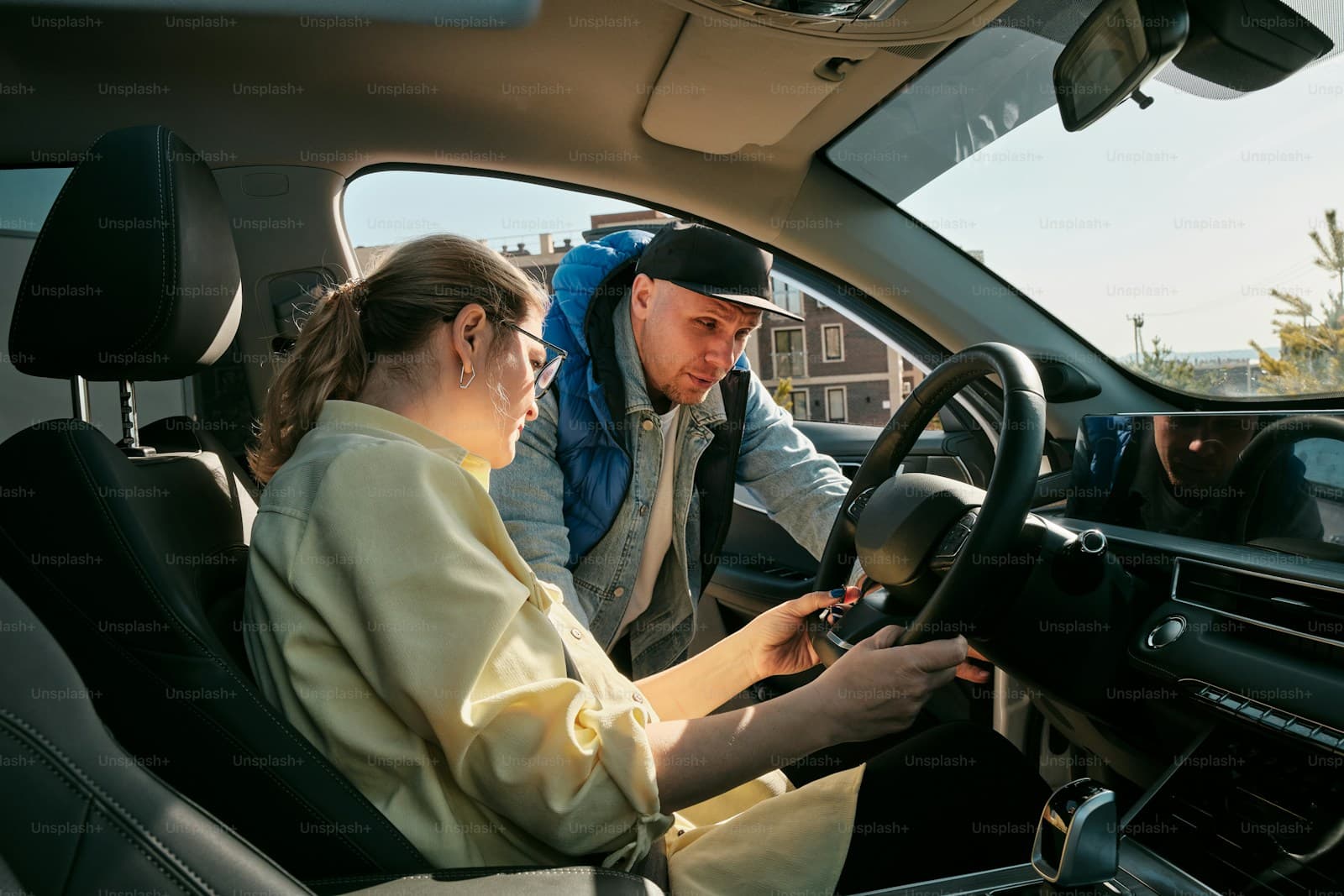
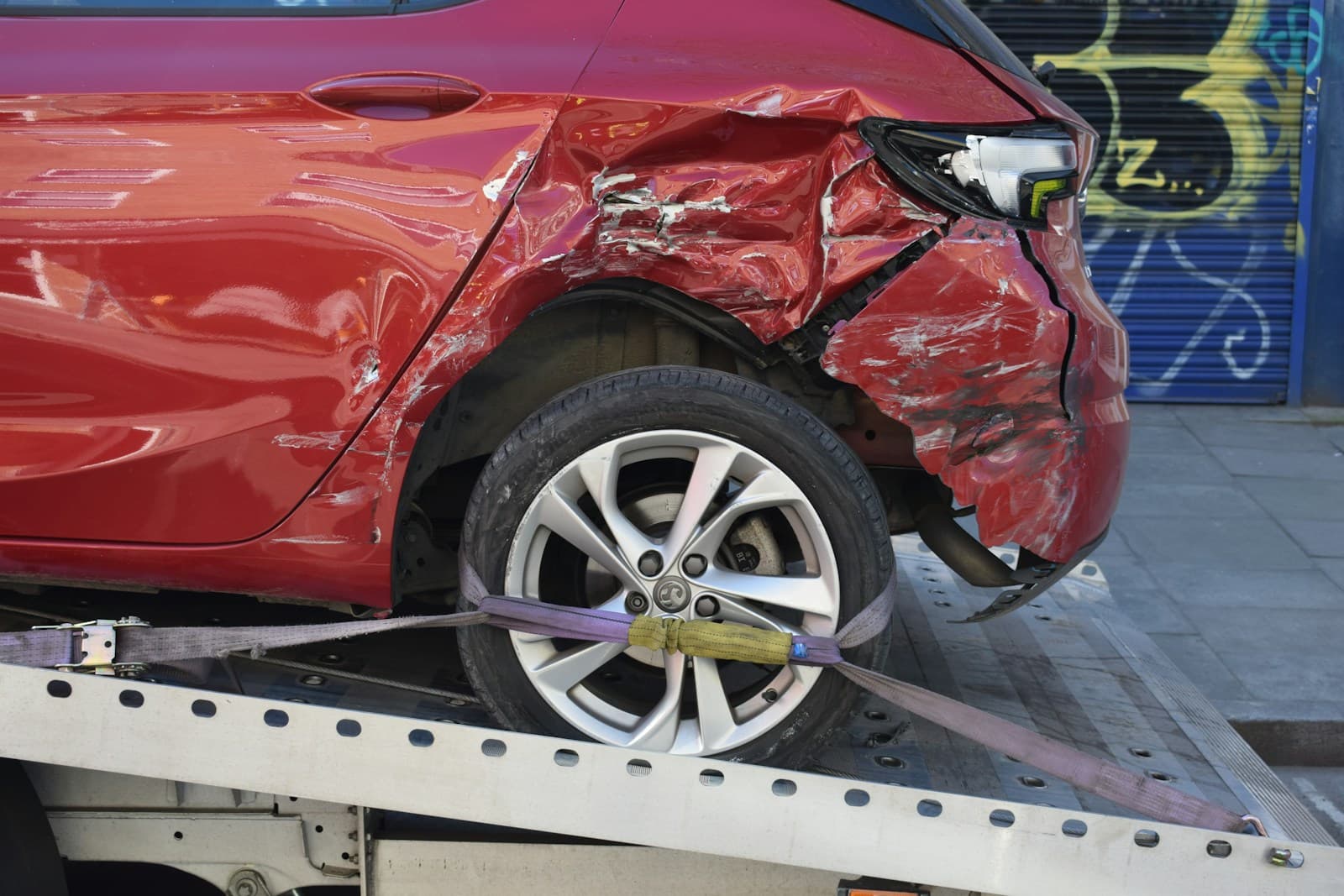
When grandchildren visit and borrow your car, your policy responds first if there's an accident — even if they're insured on their parents' policy. Most carriers don't tell you this creates underwriting exposure that can trigger rate increases at your next renewal.
How Your Policy Responds When a Grandchild Drives Your Car
Your auto insurance follows the vehicle, not the driver. If your grandchild borrows your car during a visit and causes an accident, your liability coverage pays first, even if they maintain their own policy on a vehicle at college or on their parents' policy at home. Their insurance may provide secondary coverage after your limits are exhausted, but your policy is primary, your insurer handles the claim, and the at-fault accident appears on your policy history.
This matters because carriers price your policy based on all drivers with regular access to your vehicle. "Regular access" is defined differently across insurers, but industry standard treats any driver using your vehicle more than 12 times per year — roughly once per month — as someone who should be listed on your policy. Summer visits, holiday breaks, and weekend stays can easily exceed this threshold without most grandparents realizing it creates underwriting exposure.
Carriers increasingly use telematics data, claims patterns, and even credit inquiries to identify unlisted young drivers. If your grandchild is involved in an at-fault accident while driving your vehicle, your insurer will ask during the claims investigation how often they drive your car. If the answer suggests regular access, the carrier may retroactively add them to your policy, recalculate your premium from the policy start date, and bill you for the difference — often $800 to $2,400 annually for a driver under age 25.
Some insurers now include language in renewal paperwork asking you to affirmatively declare all household members and regular operators. Failing to list a grandchild who drives your car regularly can be treated as material misrepresentation, giving the carrier grounds to deny a claim or cancel your policy mid-term.
State Requirements for Listing Young Drivers on Senior Policies
State insurance departments don't mandate when you must list an occasional driver, but they do regulate how insurers define "household member" and "regular operator." In California, any driver who uses your vehicle more than 15 times per year must be listed or formally excluded. In Florida, household members include anyone residing at your address for more than 30 consecutive days, which captures grandchildren staying for extended summer visits. Texas insurers use a "reasonable expectation of use" standard, meaning if your grandchild keeps personal belongings in your car or uses it predictably during visits, they're considered a regular operator.
New York and Pennsylvania allow insurers to surcharge for occasional young drivers without formally adding them to the policy, a practice called "tier reclassification." If claims data shows a pattern of young driver use — even without an accident — your policy can be moved from a standard senior rate class to a higher-risk tier at renewal. The rate increase typically ranges from 18% to 35%, and you won't see a named driver added to your declarations page, just a premium jump explained as "underwriting adjustment."
Several states offer relief provisions. Illinois prohibits surcharges for drivers under 25 who don't live with you and use your vehicle fewer than 20 times annually. Michigan law allows you to file an "occasional driver affidavit" confirming a young driver uses your vehicle only during visits, capping the surcharge at 10% rather than the full young driver rate. North Carolina requires insurers to offer a "permissive use" endorsement that covers occasional drivers without listing them individually, though it adds $12 to $30 per month to your premium.
If your grandchild has moved back home temporarily — a common scenario for recent graduates or between jobs — most states treat them as household members after 60 days of residence, requiring you to either list them on your policy or file a formal exclusion. Excluding them protects your premium but means your policy won't cover any accident they cause while driving your vehicle, leaving you personally liable for damages.
Compare rates from carriers that specialize in senior drivers
Mature driver discounts, low-mileage rates, and coverage reviews — see what you're actually eligible for.
Get Your Free Quote✓ Mature Driver Discounts✓ No Obligation✓ Licensed Carriers✓ All 50 States
What Happens to Your Premium When You Add a Grandchild
Adding a driver under age 25 to a senior driver's policy increases annual premiums by an average of $1,800 to $3,600, depending on the grandchild's age, gender, driving record, and your state. Male drivers ages 16–19 carry the steepest surcharges — typically 200% to 300% of your base premium. A 17-year-old grandson added to a policy with a $950 annual premium would raise the total cost to approximately $2,850 to $3,800 per year.
The increase is calculated as a multiplier applied to your liability and collision coverage, not a flat surcharge. If you carry high liability limits — 100/300/100 or greater — the young driver surcharge applies to those higher limits, making the increase more expensive than it would be on a state minimum policy. This creates a painful trade-off for senior drivers on fixed incomes: reduce coverage to afford the young driver, or maintain prudent limits and absorb a premium that may now exceed $300 per month.
Discount erosion compounds the problem. Many seniors qualify for mature driver course discounts (5–10%), low mileage discounts (10–15%), and loyalty discounts (5–12%). Adding a young driver often disqualifies the policy from "senior preferred" rate classes, eliminating these discounts even though your own driving profile hasn't changed. The net effect is a premium increase larger than the young driver surcharge alone — sometimes 250% to 350% of your previous rate.
Some carriers offer "good student" discounts (8–15% reduction) for grandchildren maintaining a B average or better, and a handful of insurers now extend usage-based insurance programs to young drivers, potentially reducing their portion of the premium by 10–20% if they demonstrate safe driving habits through a telematics app. State Farm, GEEP, and Progressive offer these programs, but eligibility and discount amounts vary significantly by state.
Named Driver Exclusions and When They Protect Your Rate
A named driver exclusion is a policy endorsement that formally removes a specific person from coverage. If your grandchild is excluded, your policy won't pay for any accident they cause while driving your vehicle, regardless of fault or severity. The exclusion protects your premium — you won't be charged for their risk — but it transfers 100% of the financial liability to you personally if they borrow your car and cause an accident.
Exclusions make sense in limited scenarios: when your grandchild maintains their own comprehensive policy on a vehicle they drive regularly, and borrowing your car is rare and typically for short errands under low-risk conditions. Exclusions don't make sense if your grandchild doesn't own a vehicle, lives with you for extended periods, or regularly drives your car for work, school, or social activities.
Not all states allow named driver exclusions. New York, Michigan, Kansas, and Wisconsin either prohibit them entirely or restrict their use to household members with separate policies. In states that do permit exclusions, insurers typically require the excluded driver to sign an acknowledgment form confirming they understand they have no coverage under your policy. Some carriers won't allow you to exclude a household member under age 21.
If you exclude a grandchild and they later cause a serious accident while driving your vehicle — say, a multi-car collision resulting in $200,000 in medical bills and property damage — your insurer will deny the claim. You become personally liable for all damages, and creditors can pursue your assets, including retirement accounts in some states, to satisfy a judgment. For senior drivers with accumulated assets and fixed incomes, this exposure often outweighs the premium savings from an exclusion.
How to Structure Coverage When Grandchildren Visit Seasonally
Seasonal driver provisions allow you to add a grandchild to your policy only during months they'll have regular access to your vehicle, then remove them when they return to school or their primary residence. Not all carriers offer this flexibility, but USAA, Nationwide, and American Family permit temporary driver additions with pro-rated premiums. You pay the young driver surcharge only for the months they're listed — typically June through August for college students, or December and January for winter break.
To qualify for seasonal adjustments, you typically need documentation showing the grandchild maintains a separate residence and insurance policy during the rest of the year. A college housing contract, lease agreement, or proof of coverage on a vehicle registered at another address usually satisfies this requirement. You must notify your insurer when the grandchild arrives and departs, and some carriers require 10 days' advance notice for changes.
Another option is a non-owner policy for your grandchild. These policies cost $200 to $500 annually and provide liability coverage when they drive vehicles they don't own — including yours. The non-owner policy responds as secondary coverage after your primary policy, but it satisfies the "insured driver" requirement some states impose and can reduce the surcharge your insurer applies for occasional young driver use. Non-owner policies don't include collision or comprehensive coverage, so damage to your vehicle would still fall under your policy.
If your grandchild drives your vehicle fewer than 12 times per year and visits are brief and unpredictable, permissive use coverage under your existing policy may be sufficient. Standard personal auto policies cover anyone driving your vehicle with your permission, and occasional use by a visiting grandchild falls within this provision. The risk is that an at-fault accident triggers a rate increase at renewal, even if no driver was formally added. That increase typically ranges from 20% to 40% and persists for three to five years depending on your state and carrier.
Medicare, Medical Payments Coverage, and Accident Injuries Involving Grandchildren
If your grandchild is injured while driving your car, your medical payments coverage (MedPay) or personal injury protection (PIP) pays their initial medical bills, regardless of fault. This matters because many grandchildren under 26 are covered under their parents' health insurance but may have high deductibles or limited networks. Your MedPay — typically $1,000 to $10,000 in coverage — pays first, before their health insurance applies.
Medicare does not cover injuries sustained in auto accidents until all auto insurance coverage has been exhausted. If you're injured as a passenger while your grandchild is driving your car, your MedPay or PIP pays your medical bills first. Only after those limits are used does Medicare step in as secondary payer. This coordination of benefits is governed by the Medicare Secondary Payer Act, and it applies regardless of who was at fault in the accident.
In no-fault states — Florida, Michigan, New York, New Jersey, Pennsylvania, Hawaii, Kansas, Kentucky, Massachusetts, Minnesota, North Dakota, and Utah — PIP coverage is mandatory and pays medical expenses and lost wages for anyone injured in your vehicle, up to your policy limits. PIP limits range from $10,000 in Kansas to unlimited lifetime benefits in Michigan. If your grandchild suffers serious injuries while driving your car in a no-fault state, your PIP pays their medical bills even if they caused the accident, and their health insurance doesn't subrogate against your policy.
Senior drivers carrying minimum medical payments limits — often $1,000 or $2,000 — should consider increasing MedPay to $5,000 or $10,000 if grandchildren regularly use their vehicle. The additional premium is usually $3 to $8 per month, and it closes a gap that could otherwise force a young driver with a high-deductible health plan to pay thousands in out-of-pocket medical costs after an accident.
What to Ask Your Insurer Before Your Grandchild Arrives
Call your insurer before your grandchild's first extended visit and ask these specific questions: How many days per year can an unlisted driver under 25 use my vehicle before they must be added to the policy? Does occasional use by a visiting grandchild reclassify my policy into a higher rate tier, even without an accident? If I need to add them, can I do so temporarily for specific months, and what documentation do you require to remove them later?
Ask whether your state permits named driver exclusions, and if so, what signed acknowledgments are required. Confirm whether excluding a grandchild affects your eligibility for mature driver, low mileage, or loyalty discounts. Request a written quote showing exactly how your premium would change if you added a grandchild of a specific age and gender — don't rely on estimates.
If your grandchild has their own vehicle and policy, ask whether proof of their separate coverage reduces the surcharge your insurer applies for occasional use of your car. Some carriers treat insured occasional drivers differently than uninsured ones, applying a reduced surcharge or no surcharge at all if the young driver maintains continuous coverage elsewhere.
Finally, verify your liability limits. If a grandchild causes a serious accident while driving your vehicle, your liability coverage pays first. Senior drivers carrying state minimum limits — often 25/50/25 — face catastrophic personal exposure if a young driver causes injuries exceeding those limits. Increasing liability to 100/300/100 adds roughly $8 to $18 per month for most senior drivers and provides meaningful protection against the elevated risk young drivers introduce. Consider reviewing your umbrella policy as well, if you carry one, to confirm it extends coverage to permissive users under 25.