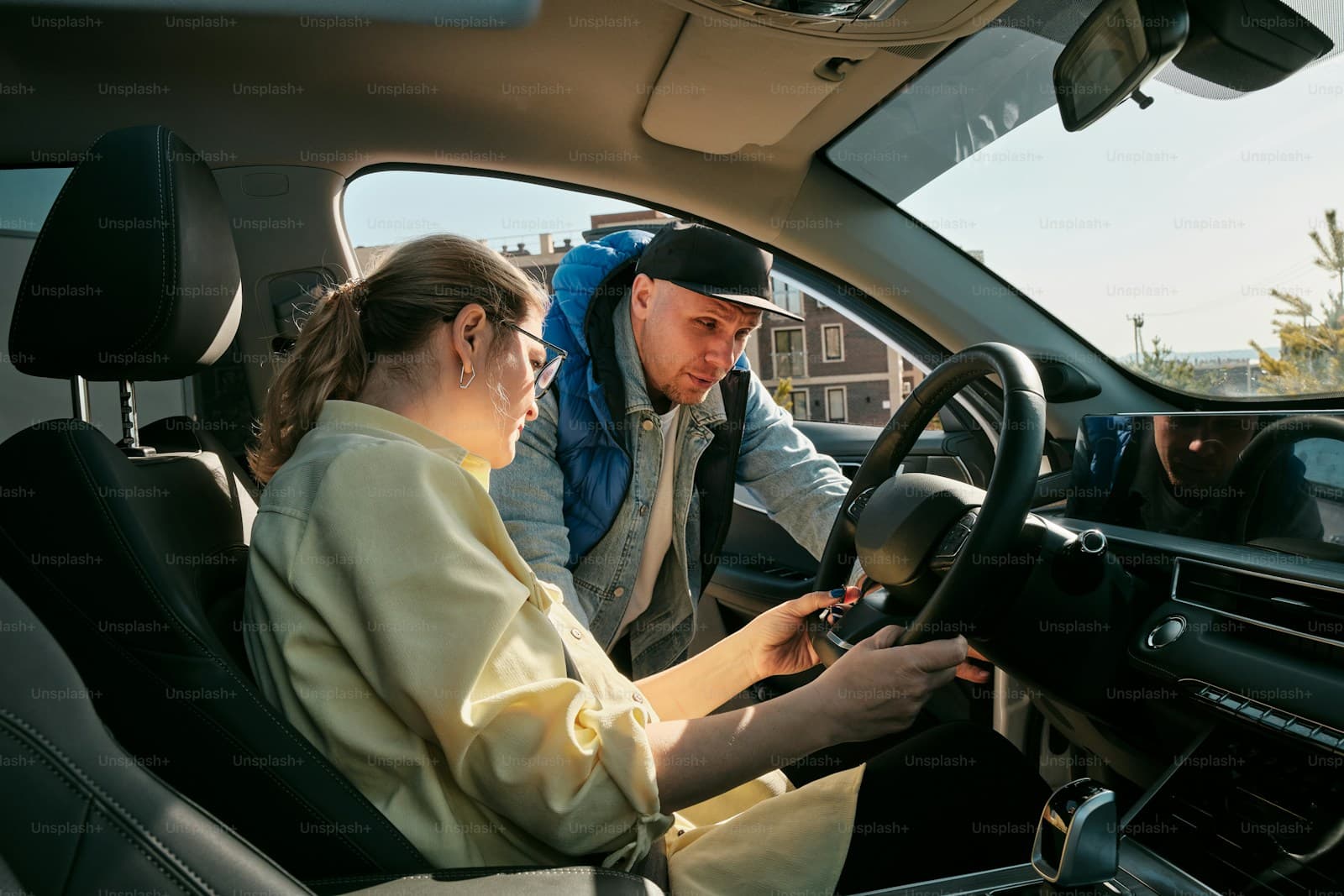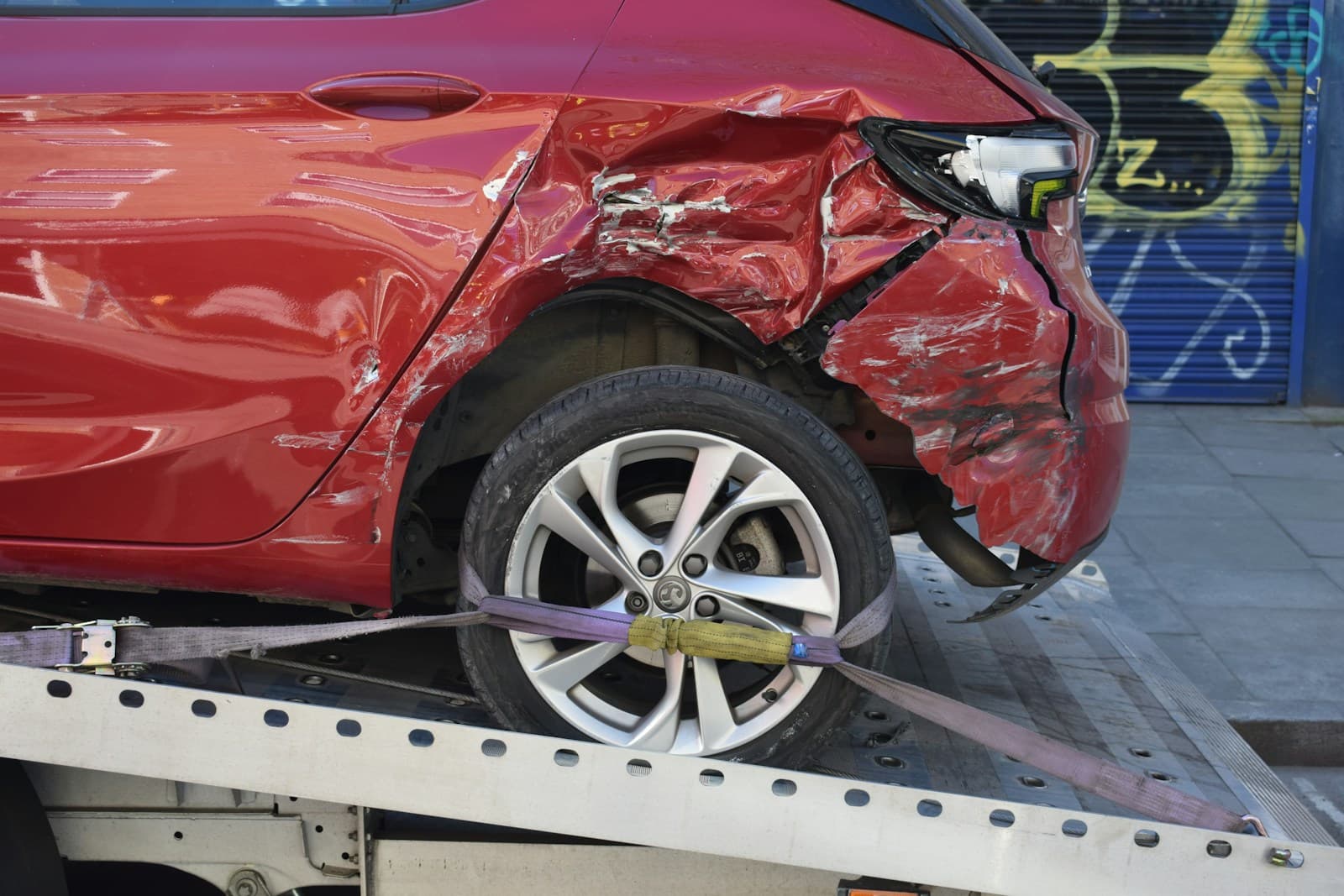
Wisconsin drivers 65+ typically qualify for 5-15% mature driver discounts, but most carriers don't apply them automatically at renewal — you'll need to request them and provide course completion proof to capture savings averaging $280 annually.
Why Wisconsin Seniors Must Actively Request Mature Driver Discounts
Wisconsin does not mandate that insurance carriers offer mature driver course discounts, which means availability and size vary significantly by company — and most don't apply them automatically. If you've turned 65 and haven't called your agent to ask about a mature driver discount, there's a strong likelihood you're overpaying. The typical discount ranges from 5% to 15% depending on carrier, which translates to $200-$400 in annual savings for drivers paying $1,400-$2,000 per year.
Unlike some states where insurers must proactively inform policyholders of available discounts, Wisconsin places the burden on you to ask, complete an approved course, and submit proof of completion. Many carriers also require recertification every 2-3 years to maintain the discount. This isn't automatically tracked in your policy file — you'll receive no reminder when your certification expires, and the discount will quietly disappear at your next renewal.
The most commonly accepted courses in Wisconsin are AARP Smart Driver (online or in-person, approximately 4 hours), AAA Driver Improvement Program, and the National Safety Council Defensive Driving Course. All three cost between $20-$30, meaning the discount pays for itself within the first month. Check with your current carrier before enrolling to confirm which courses they accept and what documentation they require.
How Wisconsin Auto Insurance Rates Change for Drivers 65 and Older
Wisconsin drivers typically see rates stabilize or even decrease slightly between ages 65-70, especially if they've transitioned to retirement and reduced annual mileage. However, rate increases typically resume around age 70-73, with the steepest jumps occurring after age 75. Data from the Wisconsin Office of the Commissioner of Insurance shows that drivers aged 75-79 pay approximately 12-18% more than those aged 65-69 for identical coverage, and drivers 80+ can see increases of 25-35% compared to their late-60s baseline.
These increases are driven by actuarial data showing higher claim frequency and severity in the 75+ age group, particularly for at-fault accidents and medical costs. Wisconsin is not unique here — it reflects national trends — but the state's rural character and winter driving conditions amplify insurers' concerns about reaction time and night driving among older drivers. That said, if you have a clean driving record and complete a mature driver course, you can partially or fully offset these age-related increases.
It's worth noting that many Wisconsin seniors who drove 12,000-15,000 miles annually during their working years now drive fewer than 7,500 miles. If you haven't updated your estimated annual mileage with your carrier in the past few years, you may be paying for exposure you no longer have. Most insurers offer low-mileage discounts starting at 7,500 miles or below, with some offering additional tiers at 5,000 and 3,000 miles.
Compare rates from carriers that specialize in senior drivers
Mature driver discounts, low-mileage rates, and coverage reviews — see what you're actually eligible for.
Get Your Free Quote✓ Mature Driver Discounts✓ No Obligation✓ Licensed Carriers✓ All 50 States
Wisconsin-Specific Programs and Discounts for Senior Drivers
Wisconsin does not mandate mature driver course discounts, but the Wisconsin Department of Transportation endorses defensive driving courses for older drivers and many insurers voluntarily offer them. The most widely accepted program is the AARP Smart Driver course, which is available online and in classroom settings throughout Wisconsin. The course takes approximately 4 hours to complete, costs $25 for AARP members ($20 for renewals), and provides a certificate valid for three years with most carriers.
Beyond the mature driver discount, Wisconsin seniors should ask their insurers about low-mileage or usage-based (telematics) programs. Companies like State Farm, Progressive, and Nationwide offer plug-in devices or smartphone apps that monitor mileage, braking, and time-of-day driving. If you drive primarily during daylight hours, avoid rush hour, and keep annual mileage under 7,500 miles, these programs can yield 10-30% savings — often stackable with a mature driver discount.
Wisconsin also allows insurers to offer discounts for vehicle safety features common in newer cars, such as automatic emergency braking, lane departure warning, and blind-spot monitoring. If you've purchased a vehicle in the past 5 years, confirm your insurer has recorded all applicable safety equipment. Some carriers require you to list these features explicitly rather than pulling them from the VIN.
Should You Keep Full Coverage on a Paid-Off Vehicle in Wisconsin?
This is one of the most common questions from Wisconsin seniors who completed their auto loan years ago and now own a 10-15 year old vehicle worth $4,000-$8,000. The standard advice is to drop collision and comprehensive if the vehicle's value is less than 10 times your annual premium for those coverages — but that formula doesn't account for the reality of fixed retirement income or the cost of replacing a vehicle out-of-pocket.
In Wisconsin, where winter weather creates elevated risk for deer strikes, ice-related collisions, and hail damage, many seniors find that comprehensive coverage remains cost-justified even on older vehicles because it's relatively inexpensive ($150-$300 per year) and covers non-collision losses. Collision coverage, which is typically 2-3 times more expensive, is a harder call. If your vehicle is worth $5,000 and collision coverage costs $500 per year with a $500 deductible, you're paying 10% of the car's value annually to recover a maximum of $4,500 in a total loss — and that's before depreciation.
A practical middle-ground approach: keep comprehensive (especially in rural or suburban Wisconsin where deer collisions are common), increase your collision deductible to $1,000 to lower premiums, and set aside the savings in an earmarked account. After two years of banked savings, you've self-insured much of the collision risk. If you drive fewer than 5,000 miles per year and avoid highway or night driving, the likelihood of an at-fault collision drops significantly.
How Medical Payments Coverage Interacts with Medicare in Wisconsin
Wisconsin requires liability insurance but does not mandate personal injury protection (PIP) or medical payments coverage. Once you're enrolled in Medicare, the interaction between auto insurance medical payments and Medicare becomes a critical question — and one that most insurance agents handle poorly because they're not licensed to give Medicare advice.
Medicare Part B covers injuries sustained in an auto accident, but it pays secondary to auto insurance medical payments coverage if you carry it. This means if you have $5,000 in medical payments coverage on your auto policy and $8,000 in accident-related medical bills, your auto policy pays first, then Medicare covers the remaining $3,000 (subject to deductibles and coinsurance). Medical payments coverage in Wisconsin typically costs $30-$80 per year for $5,000-$10,000 in coverage, and it pays regardless of fault — meaning it covers you even if you caused the accident.
For most Wisconsin seniors on Medicare, carrying at least $5,000 in medical payments coverage makes sense because it reduces out-of-pocket costs (Medicare deductibles and the 20% coinsurance on Part B services) and pays immediately without the delays common in liability claims. It also covers passengers in your vehicle who may not have health insurance or Medicare. The cost is minimal relative to the protection, especially given Wisconsin's winter driving risks.
What Wisconsin Seniors Should Do Before Their Next Renewal
Start by pulling your current declarations page and identifying your listed annual mileage, coverage limits, deductibles, and any discounts already applied. If you don't see a mature driver discount listed and you're 65 or older, that's your first call to your agent. Ask which courses they accept, how long the discount lasts, and what documentation you need to submit.
Next, calculate your actual annual mileage over the past 12 months — not your commute-era estimate from five years ago. If you're driving fewer than 7,500 miles per year, ask about low-mileage discounts or usage-based insurance programs. Be specific: "I drove 6,200 miles last year — what programs do you offer for drivers under 7,500 miles annually?" Many agents won't volunteer this unless asked directly.
Finally, review your collision and comprehensive deductibles. If you're still carrying a $250 or $500 deductible on an older vehicle, increasing to $1,000 can cut your premium by 15-25%. Pair that with the mature driver discount and a low-mileage adjustment, and you're looking at a combined reduction of 25-40% — which for a driver paying $1,600 per year means $400-$640 back in your account annually.