Most insurers don't automatically apply discounts when you complete a mature driver safety program—you need to request the credit and provide proof, or you're leaving money on the table at every renewal.
What CarFit Is and Why Insurers Don't Treat It Like a Driving Course
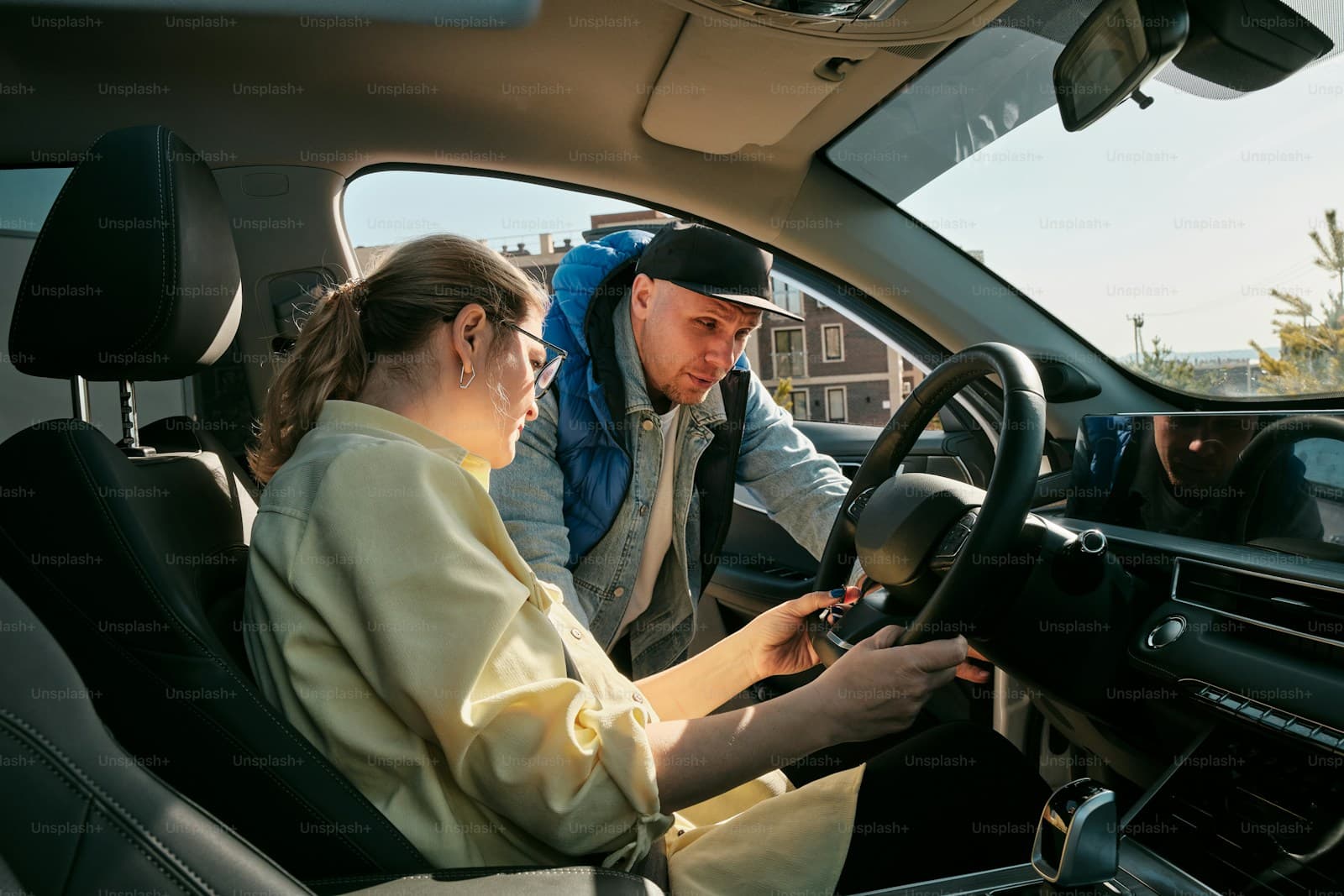
CarFit is a free assessment program developed by AAA, AARP, and the American Occupational Therapy Association that checks 12 safety areas where your vehicle setup affects driving ability—seat position, mirror angles, headrest placement, pedal reach, and steering wheel distance. A trained technician spends about 20 minutes helping you adjust your current vehicle for maximum comfort and control. You receive a checklist of completed adjustments and recommendations for any issues that require mechanic attention, like worn pedals or malfunctioning mirrors.
Unlike state-approved mature driver courses that teach updated traffic laws and defensive techniques, CarFit does not include classroom instruction or testing. Most state insurance codes mandate discounts for courses that include curriculum review and knowledge assessment—typically 5% to 15% premium reduction for three years. CarFit certificates do not meet these statutory requirements because the program focuses on vehicle ergonomics rather than driver education. No major carrier currently offers a dedicated CarFit completion discount, though a few regional insurers have tested pilot programs in partnership with local AAA chapters.
The insurance value of CarFit comes indirectly: drivers who correct sight line obstructions, adjust mirrors to eliminate blind spots, and position seats for optimal pedal control reduce their likelihood of backing collisions, lane departure incidents, and intersection crashes. A 2019 AAA Foundation study found that improper seat and mirror positioning contributed to 23% of low-speed collisions among drivers over 70, suggesting that the physical adjustments CarFit addresses prevent the accident claims that trigger rate increases. Your insurance company won't discount your premium for attending, but avoiding a single at-fault claim saves far more than any course discount delivers.
How to Combine CarFit With Discount-Eligible Mature Driver Courses
The most cost-effective approach for senior drivers is to complete both programs in the same calendar year—CarFit for vehicle optimization and a state-approved mature driver course for the insurance discount. AARP Driver Safety and AAA Smart Driver are the two most widely recognized programs, both available online and in classroom formats. Course completion certificates remain valid for three years in most states, during which time your insurer applies the discount at each renewal. You must submit the certificate to your insurance company within 30 to 90 days of completion, depending on carrier policy—automatic application almost never occurs.
CarFit events run periodically at senior centers, retirement communities, and AAA branch locations, typically scheduled quarterly or biannually depending on local demand. You can locate upcoming events through the CarFit website or by calling your regional AAA office. The assessment is free, takes 20 minutes, and requires no advance preparation beyond bringing your vehicle. Technicians provide on-the-spot adjustments for items like seat height, steering wheel tilt, and mirror angles, plus a written report of recommendations for your mechanic if brake pedals are worn smooth or seat belts show fraying.
Scheduling both within a 60-day window creates a documentation package you can submit to your insurer as evidence of proactive risk management. While the CarFit certificate itself won't reduce your premium, pairing it with the mature driver course certificate demonstrates engagement with vehicle safety—a factor some underwriters consider during coverage reviews for drivers over 75. One insurer representative explained off the record that file notes indicating recent safety course completion and vehicle assessment sometimes influence discretionary renewals when borderline risk factors appear, though no carrier formalizes this as policy.
Compare rates from carriers that specialize in senior drivers
Mature driver discounts, low-mileage rates, and coverage reviews — see what you're actually eligible for.
Get Your Free Quote✓ Mature Driver Discounts✓ No Obligation✓ Licensed Carriers✓ All 50 States
State-Specific Rules for Mature Driver Discount Eligibility
Thirty-four states mandate that insurers offer mature driver course discounts, but the requirements vary significantly in minimum age, course approval criteria, and discount duration. California requires insurers to provide the discount to drivers 55 and older who complete an approved course, with premium reductions ranging from 5% to 20% depending on carrier. Florida mandates a minimum 10% discount for drivers 55 and older, renewable every three years upon course re-completion. Illinois requires the discount for drivers 55-plus but allows insurers to set their own percentage, resulting in a typical range of 5% to 10%.
States without mandated discounts—including Alabama, Hawaii, Massachusetts, and Michigan—leave the decision entirely to individual carriers, creating wider variation in availability and percentage. Even in these states, most major insurers offer voluntary mature driver discounts to remain competitive, though the reduction may be smaller and the qualifying course list more restrictive. Some carriers accept only their proprietary courses or partnerships with specific providers, while others approve any state-certified program.
The discount applies only to certain coverage components in most states—typically liability, collision, and comprehensive, but rarely medical payments or personal injury protection. A driver paying $140/mo for full coverage on a 2018 sedan might see reduction to $126/mo with a 10% mature driver discount in a mandate state, saving roughly $168 annually. The course fee ranges from free (AARP members) to $25 (AAA members) to $40 (non-members taking online courses), making payback immediate in the first year. Check your state's Department of Insurance website for the current list of approved course providers and minimum discount percentages—this information changes as legislatures update insurance statutes.
Why Accident Prevention Matters More Than Discount Stacking
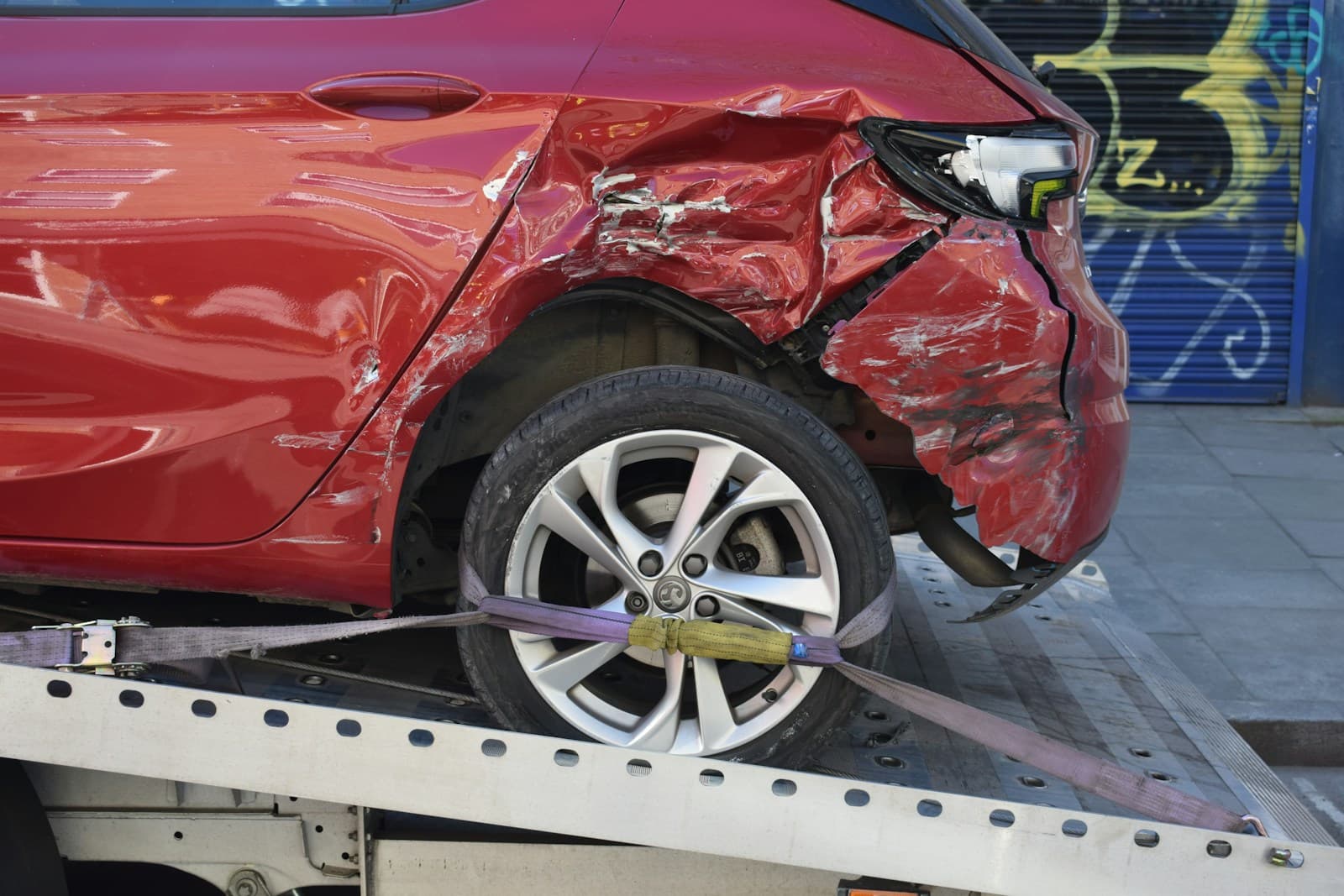
A single at-fault accident typically increases premiums by 20% to 40% at the next renewal, an impact that persists for three to five years depending on state and carrier. For a senior driver paying $130/mo, one backing collision claim could raise the premium to $156/mo to $182/mo, costing an additional $312 to $624 annually. Over a three-year lookback period, that single incident costs $936 to $1,872 in extra premiums—far exceeding the $168 to $252 saved through a mature driver course discount during the same period.
CarFit addresses the physical vehicle factors that contribute disproportionately to senior driver claims: limited neck rotation making blind spot checks difficult, seat positioning that restricts pedal pressure for emergency braking, and headrest angles that reduce rearview mirror visibility. The program's 12-point checklist identifies correctable issues before they cause incidents. One common finding is steering wheel positioned too far from the driver, requiring full arm extension that delays reaction time and reduces control during evasive maneuvers. Technicians adjust tilt and telescoping features to place the wheel 10 to 12 inches from the breastbone, improving leverage and response speed.
The claims data supports the prevention value: AARP's 2020 analysis of CarFit participants found that drivers who corrected three or more identified issues reported 31% fewer insurance claims in the following 24 months compared to a control group who attended the assessment but declined to implement recommendations. The reduction concentrated in low-speed backing incidents and parking lot collisions—exactly the claim types that trigger rate increases without catastrophic injury thresholds that might invoke accident forgiveness provisions. For senior drivers on fixed income, avoiding rate increases delivers more financial value than chasing incremental discounts.
How to Document CarFit Participation for Your Insurance File
While CarFit completion doesn't generate a discount-triggering certificate, maintaining documentation of your participation creates a record of proactive safety engagement that matters during coverage reviews and claim investigations. Request the written assessment summary the technicians complete during your session—this one-page form lists the 12 safety checkpoints, notes adjustments made on-site, and recommends mechanical repairs if needed. Keep a copy in your vehicle records folder alongside your insurance declarations page and mature driver course certificate.
Some drivers include a brief note with their mature driver course certificate submission mentioning recent CarFit participation and implemented adjustments. The format might read: "Enclosed is my AARP Driver Safety course completion certificate from [date]. I also completed a CarFit vehicle safety assessment on [date], implementing recommended adjustments to seat position, mirror angles, and headrest placement." This creates a file notation without requesting a non-existent discount, positioning you as an engaged policyholder during any future coverage decisions.
If you require mechanical work based on CarFit recommendations—replacing worn pedal pads, repairing a stuck seat track, or fixing a limited-visibility mirror—keep the repair receipts with your vehicle maintenance records. In the event of a future accident investigation where vehicle condition becomes relevant, documentation showing you proactively addressed safety equipment issues can support your claim narrative. One claims adjuster noted that evidence of recent safety-focused maintenance occasionally influences fault determination in borderline liability situations, though this remains an informal consideration rather than a formalized factor.
Where State Senior Driver Programs and Insurance Requirements Intersect
Several states operate comprehensive senior driver safety programs that bundle educational courses, vehicle assessments, and insurance discount certification into coordinated offerings. These programs typically run through state Departments of Motor Vehicles, Departments on Aging, or designated nonprofits under contract with state agencies. The specific structure varies, but the common element is state endorsement of both the educational curriculum and any associated insurance benefits.
California's Mature Driver Improvement Program includes both classroom instruction and optional vehicle safety consultations at participating DMV offices, with completion certificates automatically qualifying for the state-mandated insurance discount. Delaware's Mature Drivers Improvement Course offers similar integration, though vehicle assessments occur through separate AAA partnerships rather than at DMV locations. Texas operates a voluntary program where drivers 55 and older can complete approved courses for both insurance discounts and a ticket dismissal option if needed, creating dual value from a single time investment.
The insurance discount percentages and coverage scope within these state programs follow the same variation patterns seen in standalone mature driver courses—typically 5% to 15% applied to liability and physical damage coverages for three years. The advantage of state-coordinated programs is simplified documentation: completion certificates issued by the state agency carry automatic insurer recognition, eliminating questions about course approval or provider legitimacy. For senior drivers navigating multiple bureaucratic systems—Medicare, Social Security, vehicle registration—consolidating the insurance discount process through a single state program reduces administrative complexity.
Evaluating Whether Course Discounts Justify the Time Investment
The financial return on completing a mature driver course depends on your current premium, the discount percentage your state and carrier provide, and how long you plan to maintain your current coverage. A driver paying $100/mo who qualifies for a 10% discount saves $120 annually for three years—$360 total return on a 4-hour course that costs $0 to $40. A driver paying $200/mo with the same discount saves $240 annually, totaling $720 over the three-year validity period. The payback threshold is immediate for any driver paying more than $34/mo in covered premiums.
The calculation shifts for drivers considering coverage reductions on paid-off vehicles. If you're maintaining comprehensive and collision coverage primarily out of habit on a 2015 sedan worth $8,000, a mature driver discount saving $15/mo ($180 annually) may seem valuable—but dropping comprehensive and collision entirely might save $60/mo ($720 annually). The course discount optimizes your current coverage structure; it doesn't answer whether that structure still matches your financial situation. Many senior drivers benefit more from coverage analysis than discount accumulation.
For drivers facing rate increases due to age-band transitions—insurers typically adjust rates upward at ages 70, 75, and 80 in most states—the mature driver discount partially offsets the increase rather than reducing premiums below previous levels. An example: your premium increases from $125/mo to $145/mo at age 75 due to actuarial age adjustment, then decreases to $130/mo with a 10% mature driver discount. You're still paying $5/mo more than before the age transition, but $15/mo less than you would without the discount. The course doesn't prevent age-related increases; it minimizes their impact during the three-year certificate validity period.