Adding a professional driver to your household—whether for medical appointments, errands, or regular assistance—changes your auto insurance in ways most carriers don't explain upfront, and the disclosure requirements vary significantly by state.
When a Professional Driver Becomes an Insurance Issue
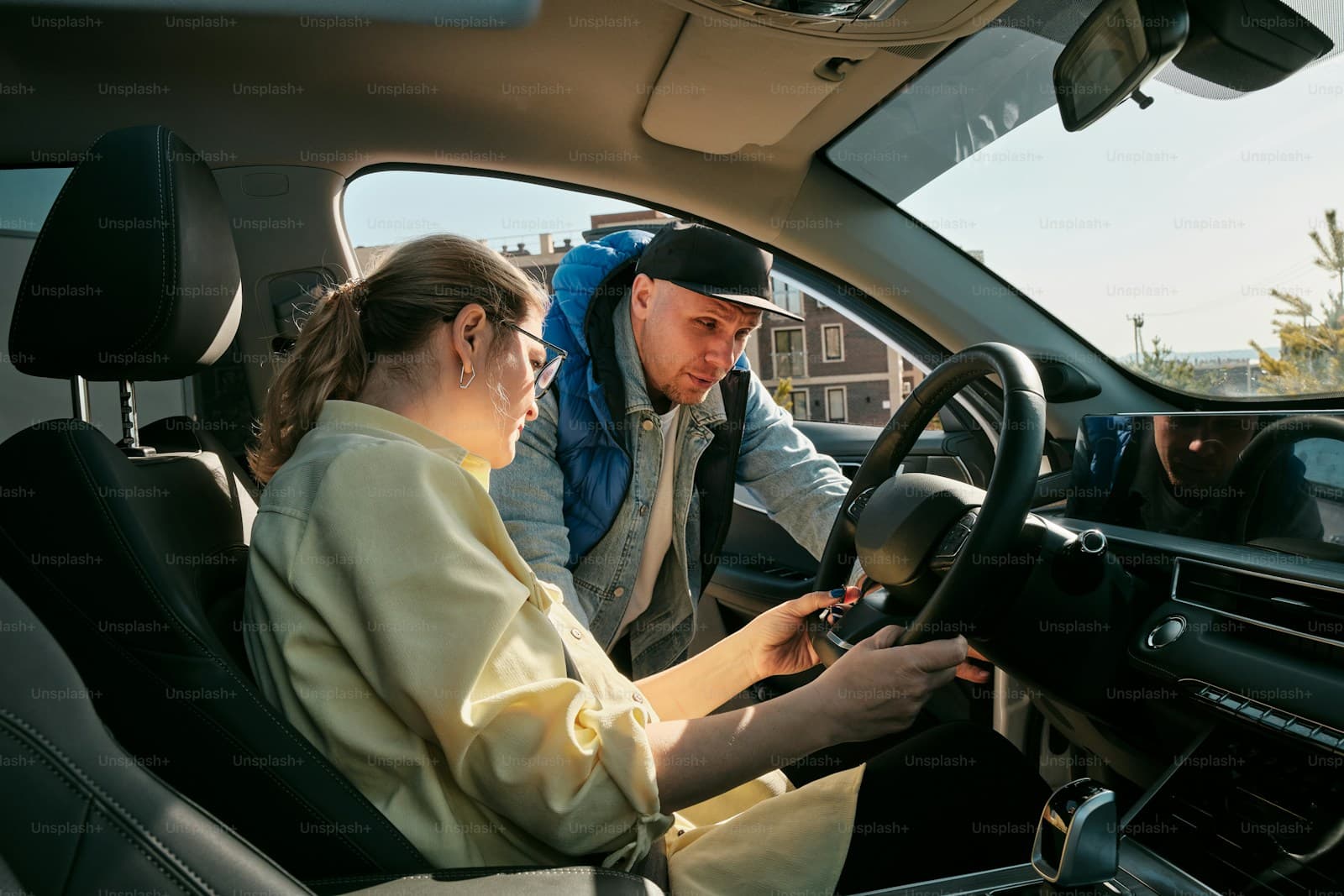
If you've hired someone to drive you to medical appointments, run errands, or provide regular transportation assistance, your personal auto insurance policy likely wasn't written to cover that arrangement. Most standard policies distinguish between occasional permissive use—letting a friend borrow your car—and regular paid driving services, which carriers classify as commercial exposure. The difference matters because claim denials for undisclosed commercial use are among the most common coverage disputes affecting senior households, according to state insurance department complaint data.
The threshold isn't always clear. A neighbor who occasionally drives you to the grocery store and accepts gas money generally remains within permissive use boundaries. A caregiver employed through an agency who drives your vehicle as part of their paid duties typically crosses into commercial territory. The distinction hinges on regularity, payment structure, and whether driving is an explicit job duty rather than a favor. Many seniors discover this gap only after an accident, when the carrier investigates the driver's relationship to the policyholder.
State disclosure requirements vary considerably. California requires carriers to ask specific questions about household drivers and their employment status during application and renewal. Florida leaves disclosure language more general, creating grey areas that surface during claims. Texas mandates clear definitions of permissive use in policy documents but doesn't require proactive carrier questioning. If you're in a state with loose disclosure standards, the burden of identifying commercial exposure falls entirely on you—carriers won't volunteer that your arrangement might void coverage.
How Carriers Classify Professional Driver Arrangements
Insurance companies evaluate professional driver situations along three dimensions: employment relationship, frequency of use, and compensation structure. An employee of a home care agency driving your vehicle multiple times per week for paid appointments represents the highest commercial exposure. An independent contractor you hire directly falls into a middle category. A family member you compensate informally occupies the lowest risk tier, though even that can trigger questions if the arrangement is regular and documented.
Most carriers distinguish between drivers who use your vehicle exclusively for your benefit versus those who might use it for other purposes. A driver who takes your car home between appointments or uses it for personal errands introduces additional exposure that standard policies typically exclude. Some seniors assume that because they're always in the vehicle as a passenger, the arrangement remains personal use—but carriers classify the exposure by the driver's status and payment relationship, not by your presence during trips.
The age and driving record of the professional driver also affect how carriers respond. A 55-year-old caregiver with a clean record for 20 years presents differently than a 28-year-old with two speeding tickets in the past three years. Many seniors don't realize they should request a motor vehicle report from any professional driver before allowing them to operate their vehicle regularly—agencies don't always share this information proactively, and individual contractors rarely volunteer it.
Compare rates from carriers that specialize in senior drivers
Mature driver discounts, low-mileage rates, and coverage reviews — see what you're actually eligible for.
Get Your Free Quote✓ Mature Driver Discounts✓ No Obligation✓ Licensed Carriers✓ All 50 States
Coverage Gaps and Required Endorsements
Standard personal auto policies contain exclusions for vehicles used in the business of transporting people or property. These exclusions activate when a professional driver operates your vehicle as part of their employment duties, even if you own the car and hold the primary policy. The typical solution requires adding a hired and non-owned auto endorsement or a specific caregiver driver endorsement, depending on the carrier and state.
These endorsements cost between $150 and $400 annually on average, with significant variation by state and the driver's record. California seniors typically see endorsement costs at the lower end of that range due to competitive market conditions. New York and Michigan seniors often face higher costs because of elevated liability risk in those states. Some carriers won't offer the endorsement at all on personal policies, requiring you to purchase a separate commercial policy—which can cost $800–$1,200 annually for minimal coverage limits.
The endorsement doesn't automatically extend your full coverage to the professional driver's use. Most versions provide liability coverage only, meaning if the professional driver causes an accident that totals your vehicle, your collision coverage may not apply. You'll need to verify specific endorsement language with your carrier. Some policies require the professional driver to be listed by name; others allow unnamed occasional drivers as long as they meet certain criteria. If the driver changes—common with agency-provided caregivers—you may need to update the policy each time, and some carriers charge a fee for mid-term driver changes.
State-Specific Requirements and Variations
Seventeen states require insurance carriers to offer some form of caregiver or household employee coverage, but the specific requirements and costs vary considerably. New Jersey mandates that carriers make caregiver endorsements available on personal auto policies at regulated rates. Pennsylvania requires disclosure of the endorsement's availability but doesn't regulate pricing. Arizona has no specific caregiver coverage mandate, leaving availability and cost entirely to carrier discretion.
Some states classify professional drivers differently based on licensing. California treats drivers employed by licensed home care agencies separately from independent contractors, with different disclosure and coverage requirements for each. Florida makes no such distinction in insurance regulations, though carriers operating in the state often maintain their own underwriting categories. If you're considering a professional driver arrangement, checking your state's specific requirements can prevent coverage gaps—but be prepared for limited standardization even within the same state.
Medicare interaction adds another state-specific layer. In no-fault states like Michigan and Florida, personal injury protection coverage applies regardless of who's driving, which can reduce your exposure if the professional driver causes an accident while you're a passenger. In traditional tort states, you're relying entirely on liability coverage limits if the driver is at fault. Since Medicare doesn't cover auto accident injuries until other coverage is exhausted, inadequate liability limits on a professional driver's policy—or gaps in your endorsement coverage—can create significant out-of-pocket exposure for medical costs. Drivers in Michigan should review their state page to understand how unlimited PIP interacts with professional driver arrangements.
Agency-Provided Drivers vs. Independent Contractors
Home care agencies typically carry their own commercial auto insurance covering employees who drive client vehicles, but coverage quality and limits vary dramatically between agencies. Many agencies carry only state minimum liability limits—$25,000 per person in California, $30,000 in Florida—which won't cover serious injuries in a multi-vehicle accident. Some agency policies exclude coverage when the employee drives a client's personal vehicle, requiring you to provide primary coverage through your own policy.
Before allowing an agency employee to drive your vehicle, request a certificate of insurance from the agency showing current coverage, limits, and whether client vehicle use is included or excluded. Agencies are legally required to provide this documentation in most states, though many don't offer it proactively. If the agency's policy excludes client vehicles or carries inadequate limits, you'll need the caregiver endorsement on your own policy—and you should verify that your liability limits are sufficient to cover potential gaps. Many seniors on fixed incomes carry $50,000/$100,000 liability limits because premiums are lower, but a serious accident with an agency driver operating under your policy could exhaust those limits in minutes.
Independent contractors you hire directly present different challenges. They typically don't carry commercial coverage unless they operate a formal transportation business. Their personal auto policy likely excludes coverage when they're driving someone else's vehicle for compensation. This creates a coverage gap where neither their policy nor yours responds unless you've added the appropriate endorsement. Some seniors attempt to address this by adding the independent contractor as a named driver on their policy, but most carriers won't allow this if the person doesn't reside in your household and is being compensated for driving services.
Disclosure Timing and Claim Implications
The safest approach is disclosing the professional driver arrangement to your carrier before the first trip occurs. Most policies require notification of material changes in vehicle use within 30 days, and some states mandate notification within 10 days. Retroactive coverage is extremely rare—if you disclose after an accident, expect the claim to be denied for material misrepresentation, even if you're willing to pay the endorsement premium retroactively.
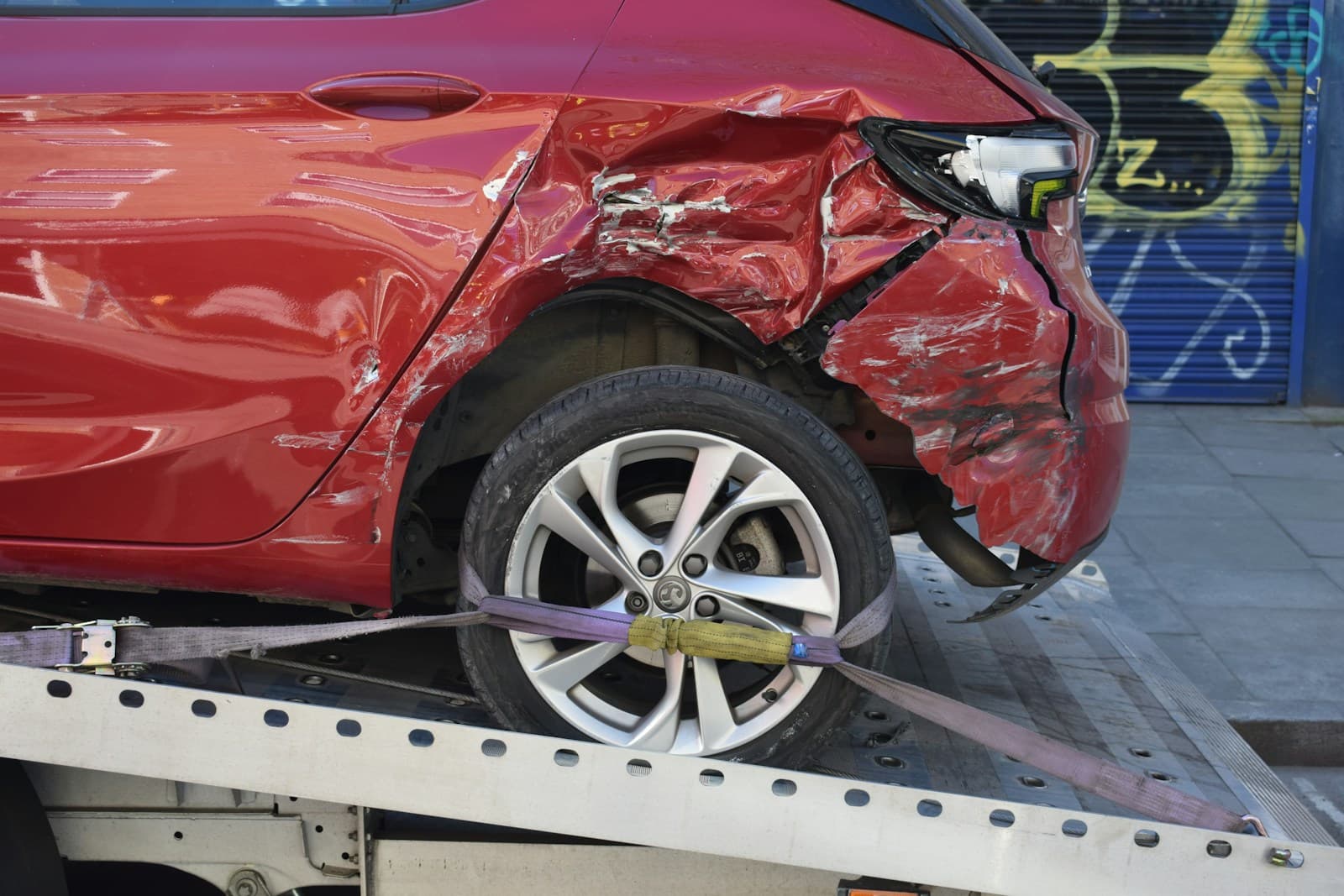
Carriers investigate driver relationships carefully after accidents involving senior policyholders, particularly if the driver isn't a family member. They'll request employment records, payment documentation, and statements about the frequency and nature of the driving arrangement. Inconsistencies between your initial claim statement and later evidence can trigger fraud investigations, and some states allow carriers to rescind the entire policy retroactively if they prove intentional concealment of commercial use.
If you're already in a professional driver arrangement and haven't disclosed it, contact your carrier immediately—before any accident occurs. Most will add the appropriate endorsement effective on your next renewal, closing the coverage gap going forward. Some may charge a small mid-term adjustment fee. The cost of the endorsement is significantly lower than the financial exposure of a denied claim, which could include the other party's injuries, vehicle damage, your own medical costs, and potential personal liability if damages exceed your policy limits.
When Professional Driver Coverage Doesn't Make Sense
For seniors who use professional driving services infrequently—once or twice per month for medical appointments—the endorsement cost may exceed the value, particularly if the service provider carries adequate commercial coverage. Ride services like Uber and Lyft operate under the provider's commercial policy; you're a passenger with no insurance obligation. Medical transport services licensed by your state similarly carry their own coverage.
The decision shifts when you're using your own vehicle with a regular paid driver multiple times per week. At that frequency, the annual endorsement cost of $150–$400 becomes reasonable insurance against a claim denial that could reach tens or hundreds of thousands of dollars. The math is straightforward: if you're paying someone $200–$400 monthly to drive you in your vehicle, the endorsement represents roughly one month's driving cost annually—and it protects an asset that may represent a significant portion of your household net worth.
Some seniors reduce costs by transitioning to ride services or medical transport rather than maintaining their own vehicle and hiring drivers. For households where the primary driver can no longer operate safely and the vehicle sits idle except when a professional driver uses it, eliminating the vehicle entirely and relying on services can reduce annual transportation costs by $2,000–$4,000 when insurance, registration, maintenance, and endorsement costs are totaled. That's a personal decision with lifestyle implications, but it's worth calculating if professional driver costs are becoming a substantial fixed expense.