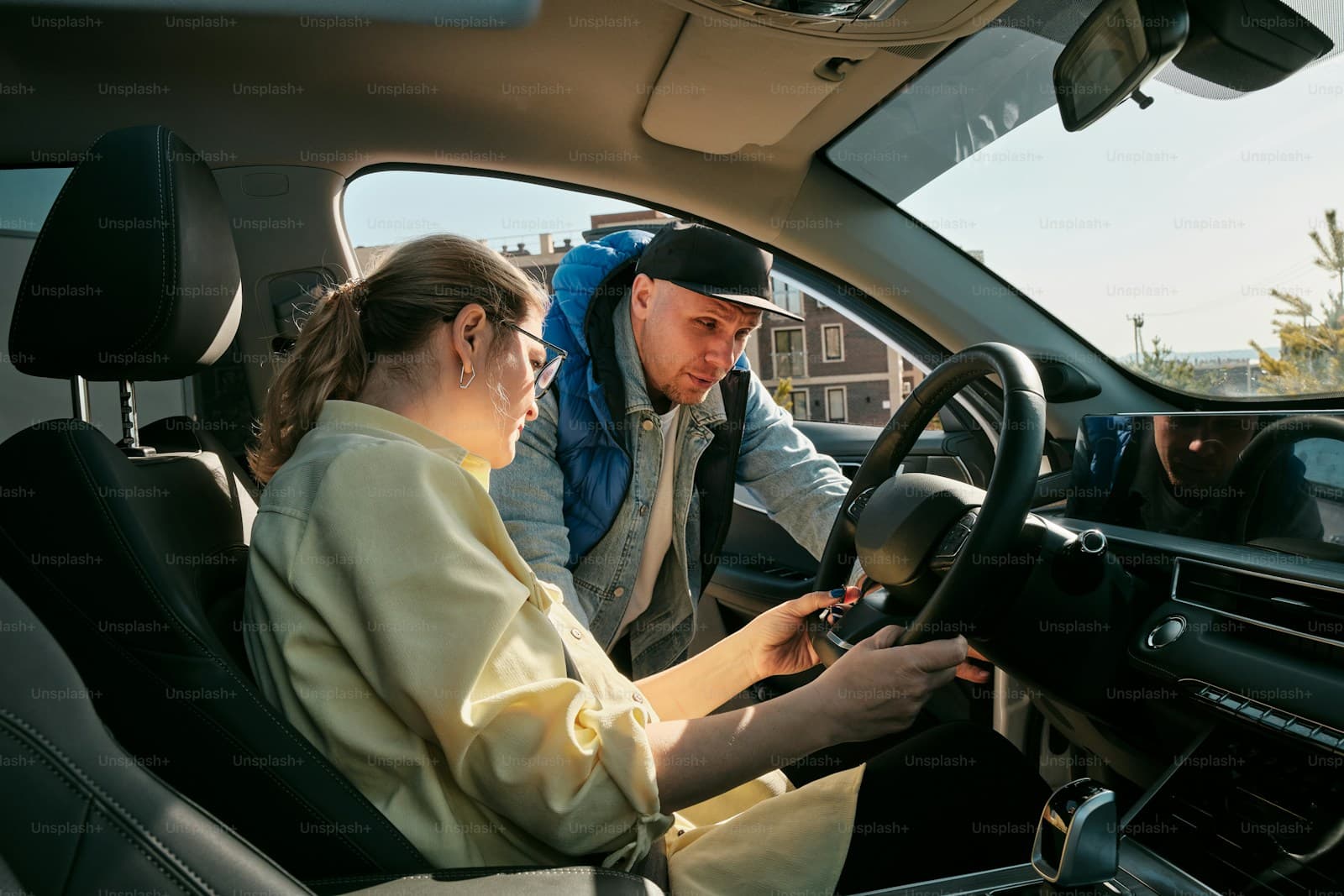
If you're replacing your current vehicle or already drive a newer car, the safety features you choose — not just the model year — directly influence what insurers charge you, often unlocking discounts that can offset 15–25% of your premium.
Why Safety Features Matter More Than Age Rating for Senior Driver Premiums
Insurance carriers assess senior drivers using actuarial tables that show increased claim frequency after age 70, but those same tables show dramatically lower severity when vehicles include collision avoidance technology. A 2022 Insurance Institute for Highway Safety study found that forward collision warning with automatic emergency braking reduced rear-end crashes by 50% among drivers over 70 — a data point insurers use to justify discounts ranging from 5% to 20% depending on the carrier and state.
The discount structure works differently than most senior programs. Mature driver course discounts apply to the driver and follow you between vehicles. Safety feature discounts attach to the specific vehicle and its equipment list — which means trading a 2012 sedan without lane departure warning for a 2020 model with the full safety suite can trigger multiple simultaneous discounts even if you're the same driver with the same record.
Most carriers categorize these as "vehicle safety discounts" or "anti-theft and safety equipment credits," and they stack with age-based programs. If you qualify for a mature driver course discount (typically 5–10%), drive fewer than 7,500 miles annually (another 5–15%), and add a vehicle with anti-lock brakes, electronic stability control, and forward collision warning, you're potentially accessing 25–40% in combined reductions. The challenge: fewer than 30% of eligible senior drivers request these discounts at quote time, according to a 2023 AARP survey, because they assume the insurer will identify them automatically.
Which Safety Features Trigger the Largest Discounts in Most States
Not all safety technology carries equal weight in underwriting algorithms. Anti-lock braking systems (ABS) and electronic stability control (ESC) are now standard on vehicles manufactured after 2012, so they're baseline expectations rather than premium reducers. The discounts come from features that actively prevent collisions or reduce theft risk — categories insurers can directly link to claim cost reduction.
Forward collision warning paired with automatic emergency braking consistently delivers the highest discount, typically 10–20% on collision coverage specifically. Insurers view this as direct loss prevention: the vehicle stops itself before impact or reduces speed enough to minimize damage. Lane departure warning and blind spot monitoring usually generate 3–8% reductions. Anti-theft systems — particularly those with GPS tracking or engine immobilizers — reduce comprehensive premiums by 5–15%, which matters significantly if you're still carrying full coverage on a paid-off vehicle.
Adaptive headlights and rearview cameras receive smaller recognition, usually 2–5%, but they add up when combined. The key is understanding that each feature is assessed separately during underwriting. When you request a quote, you'll often see a vehicle equipment questionnaire asking about specific systems — leaving any field blank or answering "unsure" means the discount isn't applied. If you purchased your vehicle in the last three years, your window sticker or purchase agreement includes a detailed equipment list showing exactly which safety packages were included.
State requirements influence which discounts are mandated versus discretionary. California, for example, requires insurers to offer anti-theft device discounts but leaves collision avoidance technology credits to carrier discretion. Florida mandates electronic stability control recognition. Checking your state's Department of Insurance website before shopping reveals which discounts carriers must offer versus which require negotiation.
Compare rates from carriers that specialize in senior drivers
Mature driver discounts, low-mileage rates, and coverage reviews — see what you're actually eligible for.
Get Your Free Quote✓ Mature Driver Discounts✓ No Obligation✓ Licensed Carriers✓ All 50 States
How to Document and Request Safety Feature Discounts When Comparing Quotes
Insurers don't automatically scan your VIN and apply every eligible discount — you must affirmatively claim them and provide verification. The process begins with your vehicle identification number (VIN), which you'll enter during online quotes or provide to agents. The VIN reveals make, model, year, and base trim, but it doesn't always capture mid-year safety package additions or dealer-installed systems.
Before requesting quotes, gather three documents: your vehicle's window sticker (Monroney label) if you still have it, the purchase agreement showing optional packages selected, and your owner's manual section listing installed safety systems. If you bought the car used or no longer have these documents, the manufacturer's website allows VIN lookups that display original factory equipment. For aftermarket additions like dashcams with parking mode or third-party anti-theft systems, you'll need installation receipts showing professional installation and system model numbers.
When comparing rates, ask each carrier specifically: "I have a vehicle equipped with forward collision warning, automatic emergency braking, and lane departure warning — which of these qualify for discounts, what documentation do you need, and what's the percentage reduction on each coverage type?" This forces the agent or online system to itemize rather than apply a generic "safety discount." Expect to email or upload proof during underwriting. Most carriers finalize discounts only after documents are reviewed, which means your initial quote may be higher than your bound policy premium.
Timing matters significantly. If you're purchasing a vehicle specifically to reduce insurance costs, get quotes on the exact VIN before finalizing the sale. A vehicle with identical trim and year but different option packages can show premium differences of $300–600 annually based solely on safety equipment. Many senior drivers replace vehicles every 8–12 years, making this a rare opportunity to engineer meaningful long-term savings.
When Full Coverage Still Makes Sense on a Safer Vehicle
The conventional advice — drop collision and comprehensive once your vehicle's value falls below $3,000–4,000 — applies differently when safety features are involved. A 2019 vehicle with advanced driver assistance systems may have a market value of $12,000–18,000, which justifies full coverage under traditional formulas (insure if value exceeds 10x the annual premium). But the calculation shifts if those safety features have reduced your collision premium by 15–20%.
Consider a scenario: you drive a 2020 Honda Accord with collision avoidance technology. Your collision coverage costs $35/month after safety discounts, and comprehensive runs $18/month. That's $636 annually to insure a vehicle worth approximately $16,000. The break-even threshold — where annual premium equals potential claim payout — is 25 years at current rates, well beyond the vehicle's likely lifespan in your household. In this case, full coverage remains cost-justified even though the vehicle is paid off.
The analysis changes for older vehicles where safety discounts don't apply. A 2012 vehicle worth $6,000 without advanced safety systems might cost $45/month for collision and $22/month for comprehensive after standard discounts — $804 annually. Here, you're approaching the traditional drop threshold within 7–8 years. Medical payments coverage and uninsured motorist protection remain critical regardless of vehicle age, as they protect you rather than the car.
Your state's requirements also matter. If you live in a state with state-specific senior driver programs that subsidize certain coverage types or mandate minimum comprehensive thresholds, dropping coverage may disqualify you from other benefits. Before making coverage changes, review what your state requires and whether bundled discounts disappear when you move from full coverage to liability-only.
State Programs That Reward Safe Vehicle Choices for Senior Drivers
Beyond carrier-level discounts, several states operate programs that directly reduce premiums or registration fees for senior drivers who maintain newer, safer vehicles. California's Low Cost Automobile Insurance Program, available to drivers 65+ meeting income limits, adjusts rates based on vehicle safety ratings — a 5-star NHTSA crash test vehicle qualifies for lower premiums within the program than a 3-star equivalent.
Florida recognizes electronic stability control and side-impact airbags in its mandatory discount schedule, which applies to all licensed insurers in the state. If you're a Florida resident over 65, your insurer must apply these discounts if your vehicle qualifies, and they must disclose the percentage reduction in writing. Pennsylvania offers a similar structure for anti-lock brakes and daytime running lights.
Some states tie vehicle safety directly to mature driver course benefits. In New York, completing an approved mature driver course grants a minimum 10% discount for three years, but that percentage increases to 12–15% if you're insuring a vehicle with a 4- or 5-star overall safety rating from NHTSA. The course certificate and vehicle safety rating must both be on file to receive the enhanced discount.
Texas and Arizona maintain online databases showing which vehicles qualify for anti-theft and safety discounts by model year and trim. These resources allow senior drivers to shop for replacement vehicles with insurance costs already calculated. If you're considering a vehicle change and live in a state with published discount schedules, checking these databases before visiting dealerships can influence which trim level or optional package delivers the best insurance value.
What Happens to Your Rate When You Add Safety Technology to Your Current Vehicle
Aftermarket safety technology — dashcams with collision detection, blind spot monitoring systems, parking sensors — is increasingly marketed to senior drivers, but insurers treat these additions differently than factory-installed equipment. The core issue is certification: factory systems are crash-tested and integrated into the vehicle's NHTSA safety rating, while aftermarket installations are not.
That said, certain aftermarket devices do qualify for discounts if professionally installed and certified. Anti-theft systems from recognized manufacturers (LoJack, OnStar, Ravelco) typically receive the same comprehensive coverage discount as factory equivalents, usually 10–15%. You'll need proof of professional installation, the system's make and model, and sometimes a certificate from the installer confirming it meets insurance industry standards.
Dashcams with parking mode and cloud storage are gaining limited traction. Some carriers now offer 2–5% discounts if the dashcam uploads footage automatically and you agree to provide video in claim situations. This is more common with telematics-focused insurers (Root, Metromile) than traditional carriers, but availability is expanding. The discount applies to collision coverage specifically, as the video serves as liability evidence.
If you add qualifying aftermarket technology, notify your insurer immediately and request a policy review. Most carriers won't apply discounts retroactively beyond 30–60 days, so a six-month delay between installation and notification can cost you $50–150 in lost savings. Send documentation via email to create a dated record, and confirm in writing that the discount has been applied and will appear on your next billing statement.