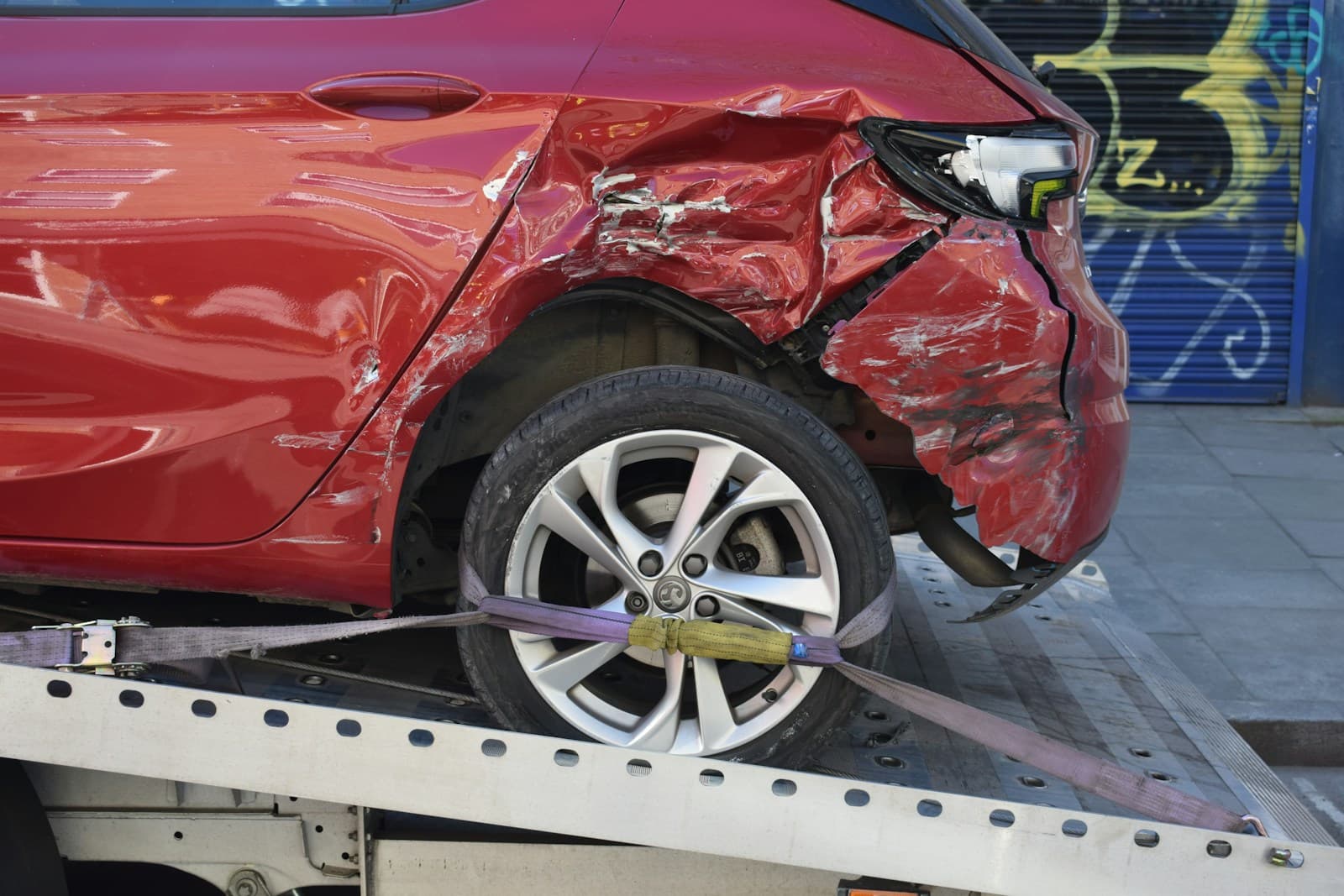
A lapse in coverage — even one caused by a payment mix-up or mail delay — can flag you as high-risk in carrier systems for years, limiting your access to the mature driver discounts and preferred rates you'd otherwise qualify for at 65+.
Why Coverage Gaps Hit Senior Drivers Harder Than Younger Policyholders
Insurance carriers price risk using two parallel systems: driving record and coverage continuity. For senior drivers who typically have clean records, the second factor becomes the decisive one. A coverage gap of 30 days or more triggers a high-risk classification that persists in carrier databases for 3-5 years, regardless of your actual driving behavior during that period. This matters especially for drivers 65 and older because the preferred senior programs — the ones offering mature driver course discounts of 5-15% and recognition for decades of safe driving — require continuous prior coverage, usually 6-12 months without interruption.
The financial impact compounds over time. Carriers treat a lapse as predictive of future lapses, which correlates with higher claim frequency in their actuarial models. For a 68-year-old driver in a standard risk tier paying $95/mo for full coverage, a 60-day gap can push premiums to $145-165/mo upon reinstatement — an increase of 53-74% that persists until the lapse ages out of your record. You're paying a penalty not for driving uninsured, but for the gap itself, even if your car sat in the garage the entire time.
This creates a particular bind for seniors managing multiple monthly bills on fixed income. A missed payment due to a hospitalization, a change in automatic withdrawal accounts, or simple mail delay can trigger cancellation for non-payment. The carrier sends a notice — often to an address you're temporarily away from — and by the time you realize coverage has lapsed, you're already in the penalty window. Reinstatement doesn't erase the gap from your record; it just stops the clock from running further.
State-Specific Consequences: Where Uninsured Driving Penalties Apply Long-Term
States handle uninsured driving in two ways: financial responsibility laws that punish actual uninsured driving, and continuous coverage requirements that penalize gaps even if you never drove. The distinction matters enormously for seniors who may have stopped driving temporarily due to medical recovery but maintained vehicle ownership.
In states with continuous coverage mandates — including California, New York, and Florida — your vehicle registration is linked to insurance status. A lapse triggers an automatic registration suspension and reinstatement fees ranging from $150-500, plus potential license suspension if not resolved within 30-90 days. For a senior driver in New York who stops driving for three months following surgery but keeps the car registered, that gap generates a $750 penalty and DMV reinstatement process even though the vehicle was never operated uninsured. The administrative burden falls hardest on drivers who may have limited mobility or digital access to resolve bureaucratic requirements quickly.
States without continuous mandates — such as Wisconsin, New Hampshire (which doesn't require insurance at all for self-insured drivers), and Virginia (which offers an uninsured motorist fee option) — still flag coverage gaps in your insurance history. Carriers pull your prior coverage record from databases like LexisNexis and ISO, which track lapses nationwide regardless of state law. A gap in Wisconsin affects your rates in Florida if you relocate to be near family, because the carrier's underwriting system sees the discontinuity.
Some states offer specific protections for seniors. Pennsylvania mandates that carriers cannot cancel for non-payment without a 20-day notice and phone call attempt for policyholders over 65. Illinois requires a 30-day notice period with certified mail for senior drivers. These procedural safeguards reduce the risk of accidental lapses but don't eliminate the penalty once a gap occurs. Knowing your state's notification requirements lets you set up redundant payment reminders before the cancellation window closes.
Compare rates from carriers that specialize in senior drivers
Mature driver discounts, low-mileage rates, and coverage reviews — see what you're actually eligible for.
Get Your Free Quote✓ Mature Driver Discounts✓ No Obligation✓ Licensed Carriers✓ All 50 States
How Lapses Restrict Access to Senior-Specific Discounts and Programs
The programs designed specifically for older drivers — mature driver course discounts, low-mileage plans, and usage-based insurance with telematics — almost universally require proof of continuous prior coverage. This eligibility threshold exists because carriers view these programs as retention tools for existing responsible customers, not acquisition channels for lapsed drivers.
A mature driver course discount, typically worth 5-10% and available after completing a state-approved defensive driving refresher, requires 6-12 months of continuous coverage with your current carrier before applying in most cases. If you complete the course during a coverage gap or within six months of reinstatement, many carriers won't apply the discount until the continuity requirement is met. For a 70-year-old paying $110/mo, that's $66-132 in unclaimed savings per year while you wait out the penalty period.
Low-mileage programs — which can reduce premiums by 10-30% for drivers logging under 7,500 miles annually — often require enrollment at policy inception or renewal, and mandate continuous coverage to qualify for the deepest discounts. Snapshot, Drivewise, and similar telematics programs that reward safe driving behavior typically exclude drivers with lapses in the past three years from their best rate tiers. You can still enroll, but your baseline rate starts higher, so the percentage savings apply to an already-inflated premium.
Some carriers have started offering "forgiveness" for lapses under 30 days if you can document the reason — hospitalization, military deployment of a family member, or verified mail failure. This exception is not automatic; you must request it, provide documentation, and have it approved by underwriting. Success rates vary by carrier, but it's worth attempting if you have a legitimate gap explanation and documentation dated to the lapse period.
Rebuilding Your Insurance Profile After a Lapse
If you've already experienced a coverage gap, your path back to preferred rates follows a specific timeline. The lapse remains visible in carrier databases for 3-5 years, but its impact on your premiums diminishes as you re-establish continuous coverage. Most carriers recalculate your risk tier at each renewal, so maintaining 12 months of continuous coverage post-lapse typically moves you out of the highest penalty bracket, even if the gap itself hasn't aged off your record.
Start by obtaining coverage immediately, even if the initial quotes are higher than you previously paid. Non-standard carriers like The General, Direct Auto, and regional providers specialize in post-lapse coverage and often have more forgiving underwriting than preferred carriers. Your goal in year one is simply to establish continuity — you can shop for better rates once you have 12 months of gap-free coverage. Expect to pay 40-65% more initially; this premium drops by roughly 15-25% at your first renewal if you've maintained continuous payment and a clean driving record.
Document everything during reinstatement. Request a letter from your new carrier confirming your policy start date and continuous coverage. If your lapse was due to a documented event — hospital stay, COVID-19 disruption, mail service failure — get dated records and submit them to your carrier's underwriting department with a request for reconsideration. Some carriers will reclassify you if you can prove you weren't actively driving during the gap period, though this is carrier-specific and not guaranteed.
After 24 months of continuous post-lapse coverage, begin shopping with preferred carriers again. Your lapse is still on record, but many carriers' underwriting algorithms weight recent coverage history more heavily than older gaps. A 67-year-old with a 90-day lapse in 2022 but continuous coverage from 2023 forward will typically qualify for standard rates by 2025, though preferred rates may require waiting until the lapse fully ages off. Use this timeline to set realistic expectations: year one is damage control, year two is stabilization, year three is recovery.
Prevention Strategies: Avoiding Gaps During Life Transitions Common to Seniors
Most senior coverage gaps don't stem from intentional cancellation — they result from life transitions that disrupt payment routines or create temporary non-driving periods. A three-month recovery from hip replacement, relocation to assisted living, seasonal residence in another state, or the death of a spouse who managed household bills can all create gap risk if not managed proactively.
For planned non-driving periods, contact your carrier about comprehensive-only coverage (also called storage coverage). This maintains your policy and coverage continuity while removing liability, collision, and other coverages required only when driving. The cost typically runs $15-35/mo depending on your vehicle's value, and you avoid both a coverage gap and the full premium on unused coverage. When you resume driving, you simply request reinstatement of full coverage — usually processed within 24 hours — without any lapse on your record.
Set up automatic payment from a checking account you monitor regularly, and add a redundant calendar reminder three days before each due date to verify the payment cleared. If you use autopay from a credit card, set a separate reminder for when that card expires — many lapses occur when an expired card on file causes a payment failure. Most carriers send notices 10-30 days before cancellation for non-payment, but mail delays, vision issues, or simple oversight can mean that notice arrives after you've already mentally filed the payment as complete.
If you're transitioning to a care facility or moving in with family, update your mailing address immediately and consider adding an adult child or trusted family member as a contact on your policy. Many carriers allow you to designate a secondary contact who receives duplicate notices of cancellation or payment issues. This creates a safety net if you miss a notice during a health crisis or relocation.
When Canceling Coverage Is Actually the Right Financial Decision
Not every senior driver needs to maintain continuous auto insurance, despite the penalties for gaps. If you've permanently stopped driving and transferred or sold your vehicle, canceling coverage makes financial sense — but the process requires documentation to avoid future underwriting penalties.
When you cancel, request a letter from your carrier stating the cancellation was voluntary, the vehicle was sold or transferred, and your driving record at cancellation. This documentation matters if you later need to obtain coverage again (for example, if you move near family and resume limited driving). Without proof of voluntary cancellation tied to vehicle disposition, a future carrier sees only a gap and assumes a lapse. Some carriers note "insured sold vehicle" or "insured ceased driving" in their records; ask specifically for this notation and get written confirmation.
If you're reducing driving significantly but not stopping entirely — perhaps keeping a car for local errands and medical appointments while a family member handles longer trips — evaluate whether the cost of maintaining coverage exceeds your actual exposure. A paid-off 2015 sedan worth $6,000 driven 2,000 miles annually might not justify $140/mo in full coverage. Switching to liability-only coverage at $45-60/mo eliminates collision and comprehensive but maintains your coverage continuity and meets state requirements. You can always add coverage back if your driving patterns change.
For seniors maintaining a vehicle but driving very rarely — less than 1,000 miles per year — some carriers offer pay-per-mile insurance where you pay a low monthly base ($25-40) plus a per-mile rate (5-8 cents). Metromile and Nationwide's SmartMiles are the primary options. This maintains continuous coverage at a cost proportional to actual use, typically saving 30-50% compared to traditional policies for very low-mileage drivers.
How Medicare and Health Insurance Interact With Auto Coverage Gaps
One question many senior drivers miss when considering coverage gaps: how does Medicare coordinate with auto insurance after an accident? The interaction matters because it affects both your immediate medical costs and your long-term financial exposure if you're in a collision while uninsured or underinsured.
Medicare is always the secondary payer when auto insurance is available. If you're injured in an accident and have medical payments coverage (MedPay) or personal injury protection (PIP), your auto policy pays first up to its limits, then Medicare covers remaining eligible expenses. If you drop coverage or let it lapse, Medicare still covers your injuries — but Medicare has subrogation rights, meaning if you later recover damages from an at-fault driver, Medicare can claim reimbursement for what it paid. This creates a complicated recovery process and potential out-of-pocket costs if the at-fault driver is uninsured or underinsured.
More critically, if you cause an accident while uninsured, Medicare covers your injuries but provides zero coverage for the other driver's medical costs or property damage. You're personally liable for those amounts, which can easily reach $50,000-150,000 in a moderate injury collision. For a senior on fixed income with home equity or retirement savings, this exposure can be financially catastrophic. Liability insurance — even a minimum state-required policy — transfers this risk to the carrier for typically $35-65/mo.
Some seniors assume Medicare supplement plans (Medigap) or Medicare Advantage plans cover auto accident injuries differently. They don't. These plans coordinate with Medicare's secondary payer rules, meaning auto insurance still comes first when available. The only exception is if you have accident-specific coverage through a hospital indemnity plan or critical illness policy that pays regardless of fault or other coverage — but these are rare and usually pay fixed benefits rather than actual medical costs.