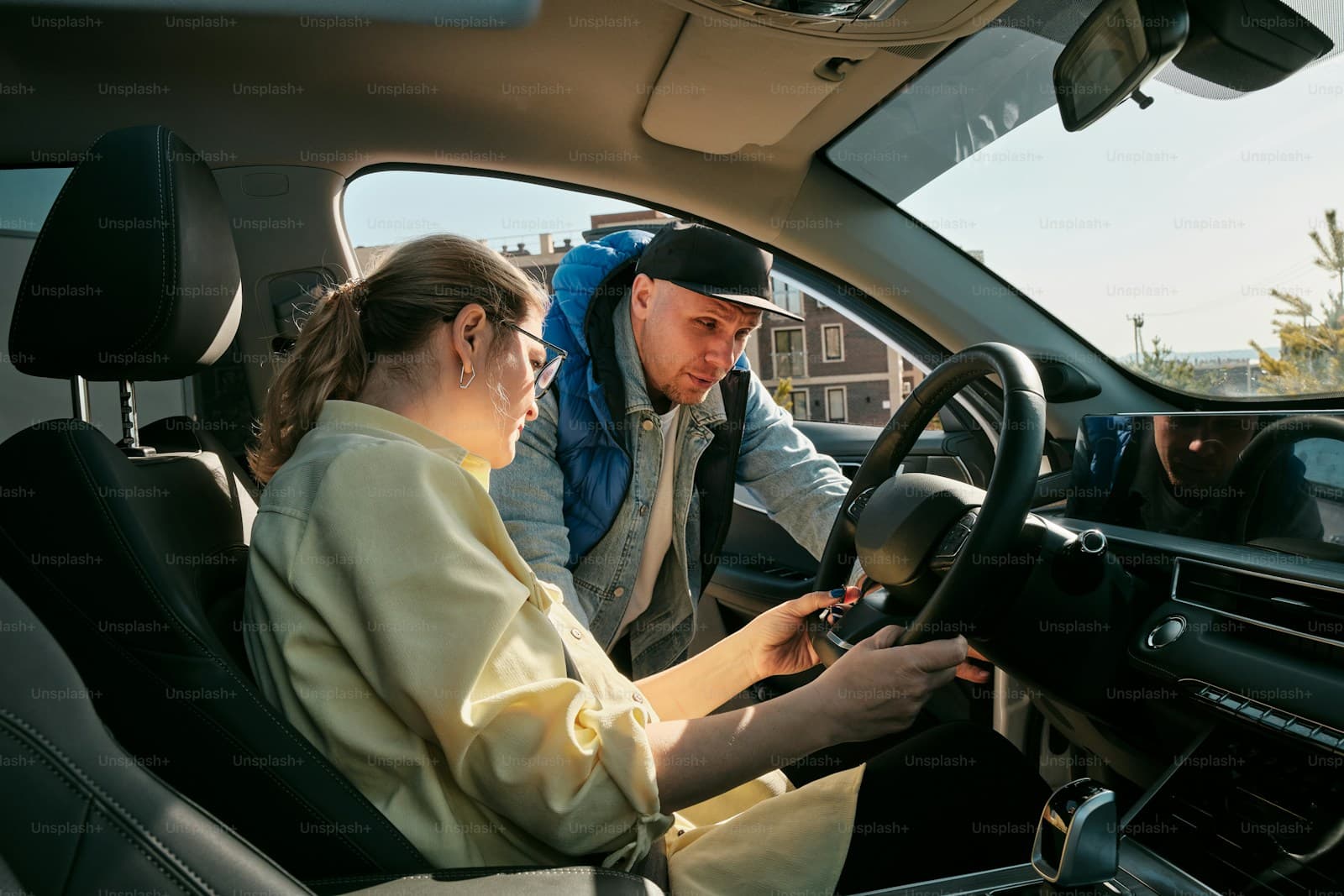
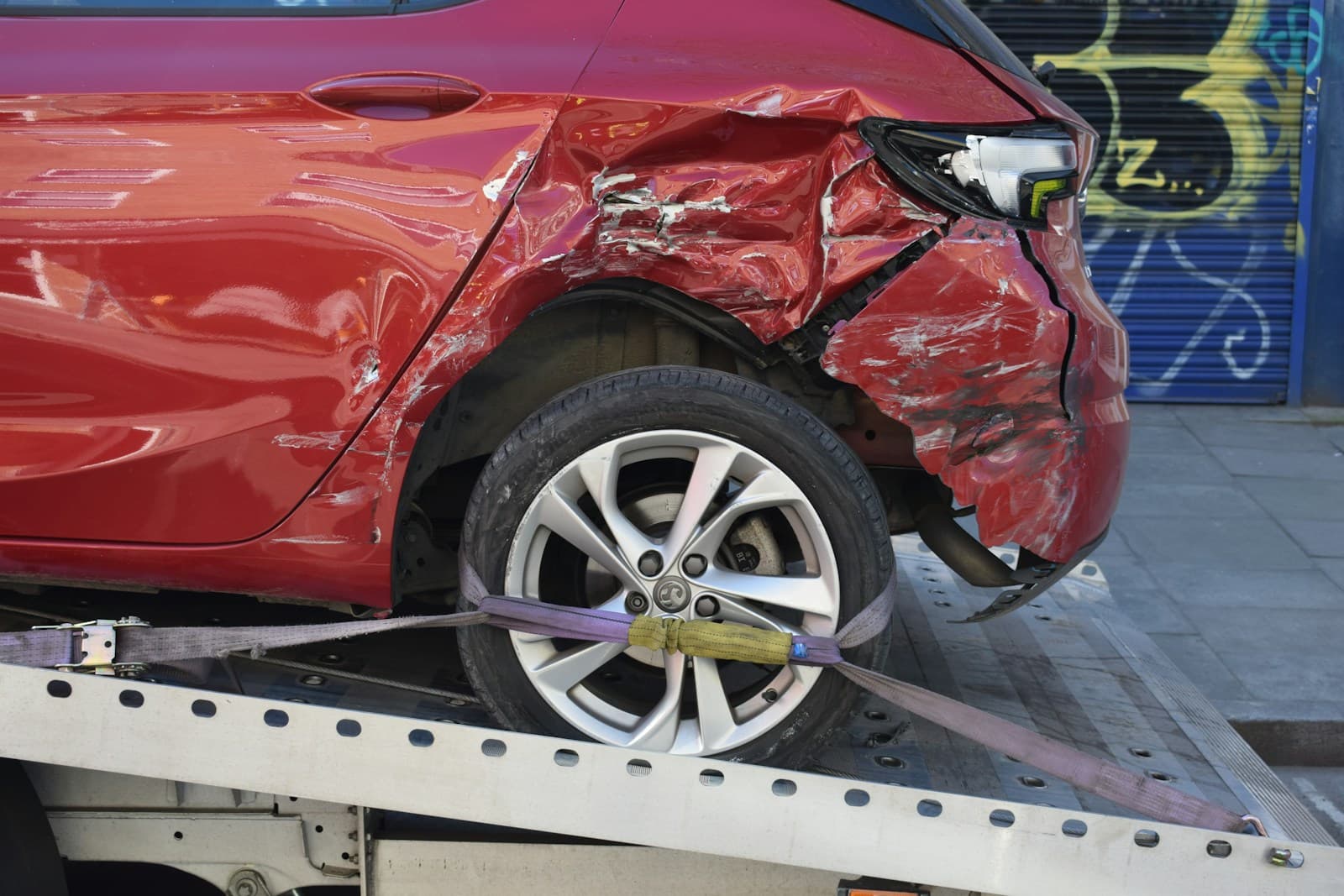
If you've been asked to take a DMV re-examination or already completed one, the results determine more than your license status — they directly influence whether your insurer raises your rates, requires policy changes, or non-renews your coverage entirely.
What Triggers a DMV Re-Examination and How Insurers Learn About It
State DMVs typically order re-examinations based on physician reports, law enforcement referrals, family member requests, or patterns of traffic violations — not routine age-based screening in most states. Once a re-exam is triggered, your state DMV maintains a record of both the referral and the outcome, and most states share this information directly with insurance carriers through automated reporting systems or policy renewal verification processes. Insurers don't need to wait for you to report it.
The re-exam itself may include vision screening, written knowledge tests, behind-the-wheel driving assessments, or medical evaluations depending on the reason for referral. Passing rates for senior drivers ordered to re-examination vary from 65% to 85% depending on state and referral type, with medical referrals showing lower pass rates than those triggered by minor violations. Restricted licenses — such as daylight-only or radius limitations — count as a partial pass but signal elevated risk to insurers.
Even if you pass without restrictions, the fact that a re-exam was ordered creates an underwriting flag. Carriers view the triggering event (a crash, medical concern, or violation pattern) as predictive of future claims risk, independent of whether you demonstrated competence during the re-exam. This is why rates often increase even after a clean pass.
How Insurance Companies Use Re-Examination Outcomes in Underwriting
Carriers classify re-exam outcomes into tiers for underwriting purposes: full pass with no restrictions, restricted license issued, failed exam with license suspension, or voluntary surrender before testing. Each outcome triggers different rate adjustments and policy actions. A full pass typically results in a 10–25% rate increase at next renewal if the re-exam was triggered by an at-fault accident or serious violation, even though your license status is unchanged.
Restricted licenses — limiting driving to daytime hours, specific radius from home, or prohibiting highway use — generate steeper increases, typically 25–40%, because insurers view restrictions as confirmation of diminished capability. Some carriers will non-renew policies altogether when daylight-only or similar restrictions are imposed, particularly in states where such restrictions correlate strongly with claim frequency in their internal data. You may need to seek coverage from a high-risk or state-assigned pool.
Failed re-exams leading to license suspension trigger immediate policy cancellation, though you may be able to maintain comprehensive-only coverage on a parked vehicle if you still own it. If you later pass a re-exam and reinstate your license, expect to be quoted as a new driver with a lapse in coverage, which can double or triple your previous premium. Voluntary license surrender before testing is treated similarly to failure by most carriers — they assume you anticipated not passing and chose to avoid the formal record.
Compare rates from carriers that specialize in senior drivers
Mature driver discounts, low-mileage rates, and coverage reviews — see what you're actually eligible for.
Get Your Free Quote✓ Mature Driver Discounts✓ No Obligation✓ Licensed Carriers✓ All 50 States
State-by-State Differences in How Re-Exam Results Affect Insurance
California prohibits insurers from using the fact that a re-examination was ordered as the sole basis for a rate increase or non-renewal, though carriers can still consider the underlying incident that triggered the re-exam (such as an at-fault crash). This means a California senior driver who passes a re-exam triggered by a fender-bender may see a rate increase tied to the accident claim, but not an additional surcharge simply for having been re-examined. Roughly a dozen other states have similar protections, but most do not.
Florida, Texas, and Pennsylvania allow insurers to fully incorporate re-exam history into underwriting without restriction, and carriers in these states routinely apply surcharges when a re-exam appears on a driver's Motor Vehicle Record even if the outcome was favorable. Illinois and New York require re-examinations more frequently for drivers over 75 but provide no corresponding consumer protection against insurance discrimination based on re-exam history, creating a double burden for senior drivers in those states.
At least eight states — including Michigan, Hawaii, and Rhode Island — mandate mature driver course discounts of 5–10% that apply even after a re-exam, which can partially offset rate increases tied to the re-exam trigger. Taking an approved defensive driving course immediately after passing a re-exam (or after reinstating a license) demonstrates proactive risk management to underwriters and may qualify you for this offset in states where it's available. Check your state's Department of Insurance website for current mature driver discount requirements and approved course providers.
How Re-Exam Results Interact with Medical Payments and PIP Coverage
If your re-exam was triggered by a medical condition — such as vision impairment, cognitive concerns, or medication side effects — and you're involved in an accident afterward, insurers will scrutinize whether the documented medical issue contributed to the crash. Medical payments coverage and personal injury protection (PIP) in no-fault states will still cover your immediate medical bills regardless of fault, but the carrier may use your re-exam medical records to argue comparative negligence or exclude certain claims if your policy includes health-related exclusions.
Medicare covers most accident-related injuries for drivers 65 and older, but it pays secondary to auto insurance in accident scenarios, meaning your medical payments or PIP coverage pays first up to policy limits before Medicare steps in. If your re-exam revealed a medical condition that you didn't disclose during your last policy renewal, and that condition contributed to a crash, the insurer could deny coverage entirely based on material misrepresentation. This is a narrow but real risk — always update your insurer if a re-exam uncovers a new diagnosis that affects driving safety.
Some insurers now request copies of re-exam results or medical clearance letters as a condition of policy renewal after learning a re-exam was ordered. You're not legally required to provide this in most states unless your policy application specifically asks about re-examinations, but refusal to provide documentation often results in non-renewal. Consult your state insurance department if you believe an insurer is requesting medical information beyond what's permitted under state law.
What to Do Immediately After a Re-Exam to Minimize Insurance Impact
If you passed your re-exam with no restrictions, request a certified copy of your results from the DMV and send it to your insurance agent or carrier within 10 business days. Don't assume they'll obtain it automatically — proactively providing documentation that you passed can prevent an interim rate increase based on incomplete information. If your state allows mature driver course discounts, enroll in an approved course within 30 days and submit your certificate of completion with your re-exam pass letter to maximize your chance of avoiding or reducing a rate increase at renewal.
If you received a restricted license, immediately compare quotes from at least three carriers that specialize in senior driver coverage or non-standard risk. Standard carriers often non-renew restricted license holders, but regional insurers and some direct writers maintain programs specifically for drivers with daylight or radius restrictions. AARP's endorsed carrier programs and state farm bureau insurers often provide better pricing for restricted licenses than national brands.
If you failed the re-exam or voluntarily surrendered your license, consider whether you genuinely need to drive. If not, dropping your auto policy and relying on non-owner liability coverage for occasional borrowed vehicle use costs $200–$400 annually versus $1,200–$2,500 for a standard senior policy. If you plan to re-test after medical treatment or vision correction, maintain comprehensive-only coverage on your parked vehicle to avoid a coverage lapse, which will cost you far more in future premiums than the $15–$30 monthly cost of comp-only.
When to Switch Carriers After a Re-Examination
If your current insurer raises your rate more than 20% at renewal following a re-exam — even one you passed — get comparison quotes before your renewal date. Carriers weigh re-exam history differently: some apply flat surcharges, others use re-exam triggers as one factor among many, and a few (typically smaller regional carriers) don't surcharge at all if you passed without restrictions. You may find identical coverage for 15–30% less by switching, particularly if you've been with the same carrier for many years and weren't actively shopping.
Non-renewal notices after a re-exam are common, especially if you received restrictions or if the re-exam was triggered by an at-fault accident. You typically have 30–60 days from a non-renewal notice to secure replacement coverage, and waiting until the last week severely limits your options and negotiating position. Start shopping immediately upon receiving a non-renewal notice, not when your policy is about to lapse.
Senior drivers who pass re-exams but face significant rate increases should specifically compare rates from carriers offering telematics programs or low-mileage discounts. If you're driving under 7,500 miles annually and can demonstrate safe driving habits through a monitoring app, you may offset the re-exam surcharge with a 10–25% usage-based discount. This is particularly effective if your re-exam was triggered by a single incident rather than a pattern of violations.