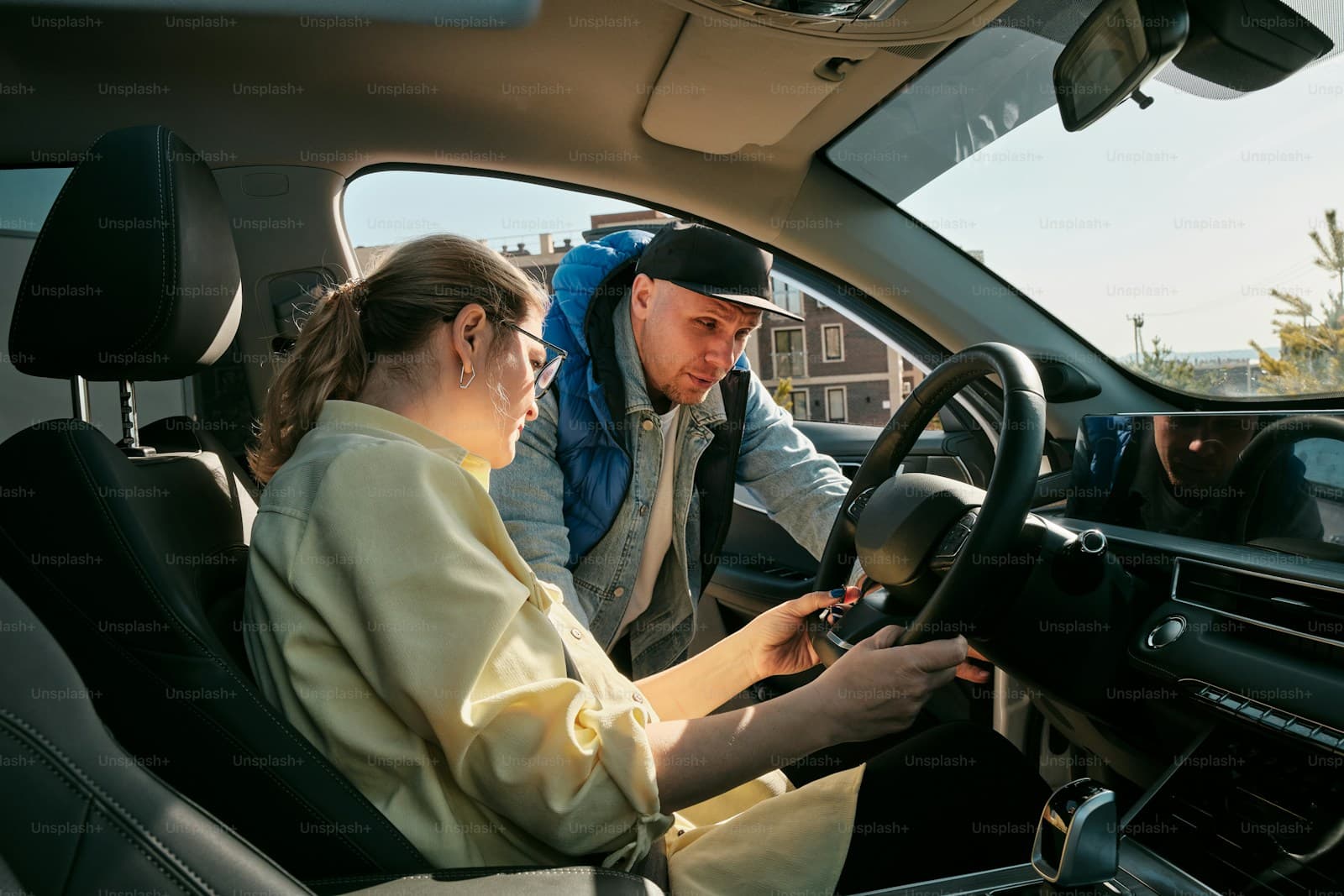
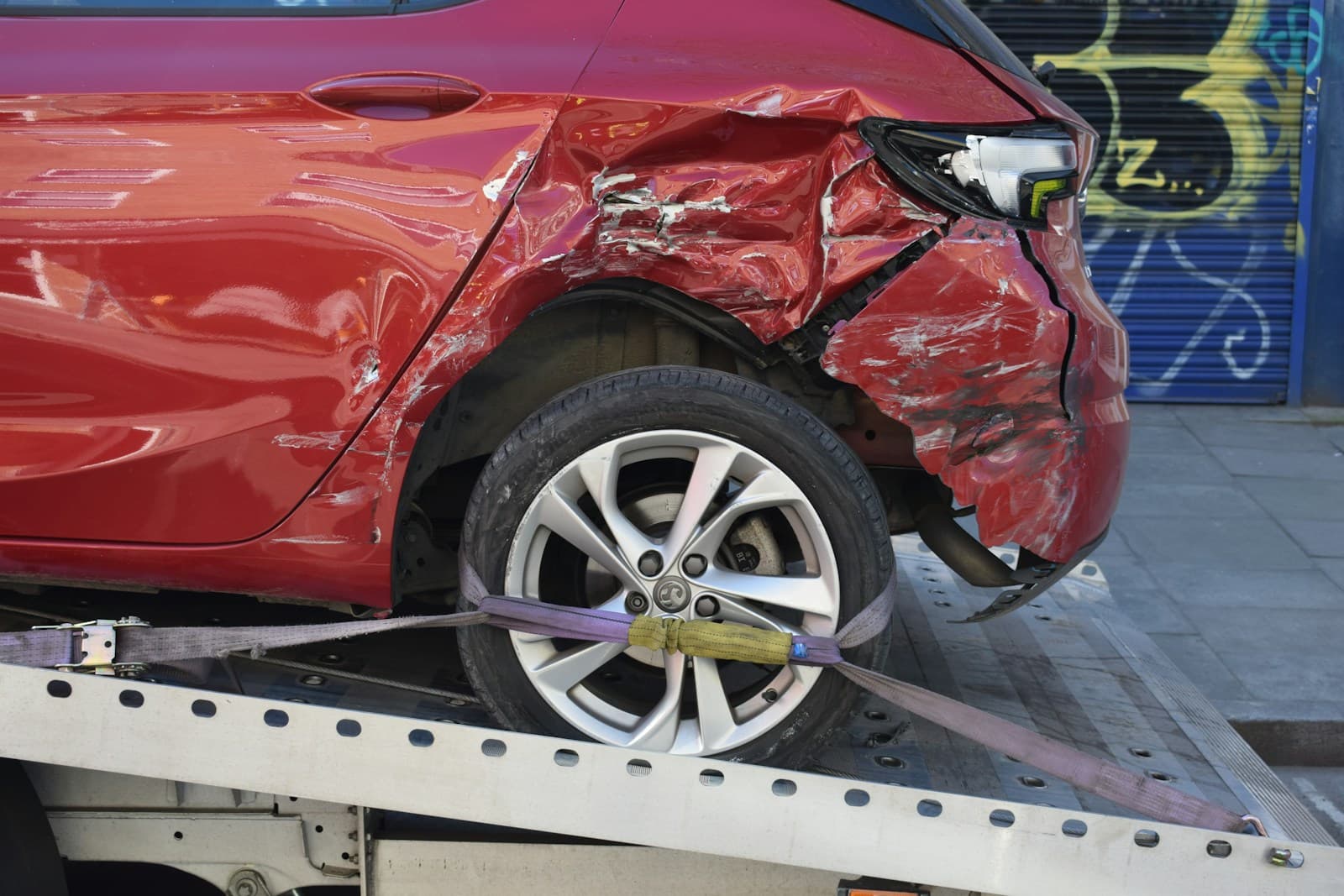
If someone else is now driving you to appointments or running errands in your car — a family member, aide, or neighbor — your insurance company needs to know before a claim is filed.
When Your Policy Requires Adding Another Driver
Your auto insurance policy covers drivers who live in your household and anyone you give occasional permission to drive your vehicle. But when someone outside your household begins driving your car regularly — three or more times per week, or for scheduled recurring trips — most carriers classify them as a regular operator who must be disclosed. This applies to adult children who don't live with you, hired caregivers, home health aides, or neighbors providing regular transportation assistance.
The line between occasional permissive use and regular operator status matters because carriers price policies based on all regular drivers' records. If a caretaker drives you to medical appointments twice a week and has an accident in your vehicle, the insurer will investigate whether they should have been listed. If the carrier determines the driver was a regular operator who wasn't disclosed, they can deny the claim entirely — even if your policy includes collision and liability coverage.
This issue surfaces most often when seniors reduce their own driving due to vision changes, medication side effects, or comfort with highway speeds, and begin relying on consistent help from the same person. The transition happens gradually, and many policyholders assume their existing coverage extends automatically to anyone driving with permission. It does not, once frequency crosses into regular use.
State-Specific Rules on Driver Disclosure
Driver disclosure requirements vary by state, but the core principle remains consistent: insurers are entitled to know who regularly operates the insured vehicle so they can assess risk accurately. Some states mandate specific disclosure timelines — typically 30 days after a new regular driver begins using the vehicle — while others leave the definition of "regular use" to individual carrier underwriting guidelines.
In states with no-fault insurance systems like Florida, Michigan, and New York, the stakes are higher. Personal injury protection (PIP) coverage applies regardless of fault, but the carrier can still investigate whether an undisclosed regular driver voids coverage terms if they find the policyholder failed to update their driver list. In tort states, liability coverage extends to permissive users more broadly, but collision and comprehensive claims face closer scrutiny when a non-disclosed driver is involved.
California, Massachusetts, and Pennsylvania explicitly require insurers to cover any permissive driver, but that protection applies to occasional use. Courts in these states have upheld claim denials when policyholders failed to disclose regular operators, defining "regular" as predictable, scheduled driving rather than one-time or sporadic use. If you live in a state with robust consumer protections, you still need to update your policy when a caretaker or aide begins driving your vehicle on a set schedule.
Compare rates from carriers that specialize in senior drivers
Mature driver discounts, low-mileage rates, and coverage reviews — see what you're actually eligible for.
Get Your Free Quote✓ Mature Driver Discounts✓ No Obligation✓ Licensed Carriers✓ All 50 States
How to Add a Driver: The Step-by-Step Process
Contact your insurance agent or carrier directly — by phone or through your online account portal — as soon as you know someone will be driving your car regularly. The carrier will ask for the driver's full legal name, date of birth, driver's license number, and the state that issued their license. They will pull a motor vehicle record (MVR) to assess the driver's history, which typically includes the past 3-5 years of violations, accidents, and license suspensions.
The carrier will provide a revised premium quote, usually within 24-48 hours. If the added driver has a clean record, the increase may be modest — often $10 to $40 per month depending on your state and current coverage limits. If the driver has recent violations or an at-fault accident, the increase can be $75 to $150 per month or more. You have the option to decline adding the driver, but doing so means they cannot use your vehicle regularly without voiding your coverage terms.
Once you accept the revised premium, the carrier will issue an updated declarations page listing all covered drivers. This document serves as proof that the driver is authorized under your policy. Keep a copy in your vehicle. The entire process, from initial contact to updated policy documents, typically takes 3-5 business days. If you need coverage to begin immediately — for example, if a caretaker is starting work tomorrow — call your agent directly rather than submitting an online request, and ask for same-day bindable coverage.
What Happens to Your Premium When You Add a Caretaker
The premium increase depends on the added driver's age, gender, driving record, and your current coverage structure. A 45-year-old aide with no violations may add $15 to $30 per month to a policy with state minimum liability. A 28-year-old driver with a speeding ticket from two years ago may add $80 to $120 per month, particularly if you carry collision coverage on a vehicle worth $15,000 or more.
Carriers do not average risk across drivers. They calculate a separate premium contribution for each listed driver based on their individual profile and the likelihood they will file a claim. For senior drivers who have earned low rates due to decades of clean driving, adding a younger or higher-risk driver can feel disproportionately expensive. But the alternative — an undisclosed regular driver and a denied claim — carries far greater financial consequence.
Some seniors ask whether they can exclude a caretaker driver from their policy to avoid the premium increase. Driver exclusions are allowed in most states, but an excluded driver has zero coverage if they operate your vehicle, even in an emergency. If you exclude your caretaker and they drive you to the hospital during a medical event and cause an accident, your liability coverage will not apply. Any damages, injuries, or legal costs become your personal financial responsibility. Exclusions make sense only when the excluded person will never, under any circumstance, drive the insured vehicle.
Caretaker Coverage Options: What Actually Protects You
If a caretaker or aide is employed through a home health agency, confirm whether the agency carries commercial auto insurance that covers their employees while transporting clients. Many agencies do, which means the caretaker driving your vehicle may already have primary coverage through their employer. In that case, your personal auto policy would serve as secondary or excess coverage. Ask the agency for a certificate of insurance and review the policy limits and covered activities.
If the caretaker is an independent contractor or hired privately, they are not covered by an employer's commercial policy. You have three options: add them to your personal auto policy as a regular driver, require them to carry their own non-owner liability insurance, or restrict them from driving your vehicle. Non-owner policies provide liability coverage when the driver operates a vehicle they don't own, but they do not include collision or comprehensive. If your caretaker causes an accident while driving your car and only carries non-owner insurance, their policy covers bodily injury and property damage to others, but your collision coverage would still apply to repair your vehicle.
Liability coverage is the most critical protection when adding a caretaker. If the caretaker causes an at-fault accident and your liability limits are too low to cover the damages, you are personally liable for the difference. For seniors with home equity or retirement savings, carrying $250,000/$500,000 liability limits — or a $1 million umbrella policy — provides meaningful asset protection. The incremental cost is typically $15 to $30 per month, far less than the financial exposure of underinsuring a regular driver.
When Not to Add a Driver — and Why That Decision Matters
If someone drives your car once or twice a month for occasional errands, they remain a permissive user under most policies and do not need to be formally added. Permissive use coverage applies to friends, family members, or anyone you allow to borrow your vehicle on an infrequent, unscheduled basis. The threshold shifts when the use becomes predictable: same person, same schedule, recurring purpose.
Some seniors attempt to avoid premium increases by understating how often a caretaker drives their vehicle. This strategy creates claim risk. Insurers routinely investigate accidents involving non-household drivers by interviewing the policyholder, reviewing appointment logs, and checking caregiver employment records. If the investigation reveals the driver was a regular operator who wasn't disclosed, the carrier can void coverage retroactively and deny the claim. You would then be personally liable for all damages, medical bills, and legal fees — often totaling $50,000 or more in a moderate accident.
The financial risk of nondisclosure far exceeds the cost of an honest premium increase. If adding a caretaker raises your annual premium by $600, that cost is predictable and manageable. A denied $80,000 liability claim because you didn't disclose a regular driver is not. Seniors on fixed incomes understandably scrutinize every expense, but underinsuring or misrepresenting regular drivers shifts controllable cost into catastrophic financial exposure.
How This Affects Your Coverage in Different States
State insurance departments regulate permissive use definitions, disclosure requirements, and claim denial practices, but enforcement varies. In states like Texas and Arizona with minimal regulatory oversight, carriers have broader discretion to define regular use and deny claims. In states like New York and California with active insurance departments, carriers face stricter standards for claim denials and must prove the policyholder knowingly concealed a regular driver.
If you live in a state that mandates mature driver course discounts — such as Florida, Illinois, or New Jersey — review whether adding a younger caretaker offsets the discount you've earned. Florida seniors who complete a state-approved mature driver course receive a minimum discount that varies by carrier but typically ranges from 5% to 15%. Adding a 30-year-old caretaker with a recent violation may increase your base premium by 40% to 60%, effectively eliminating the mature driver savings. The discount remains on your policy, but the added driver premium often exceeds it.
Some states allow seniors to use medical payments coverage or personal injury protection to cover their own injuries if their caretaker causes an accident. This matters particularly for seniors who rely on Medicare as primary health insurance, since Medicare does not cover auto accident injuries until other applicable coverage is exhausted. If your state offers MedPay or PIP and you frequently ride as a passenger while a caretaker drives, carrying at least $5,000 in medical payments coverage ensures your immediate medical bills are covered regardless of fault.