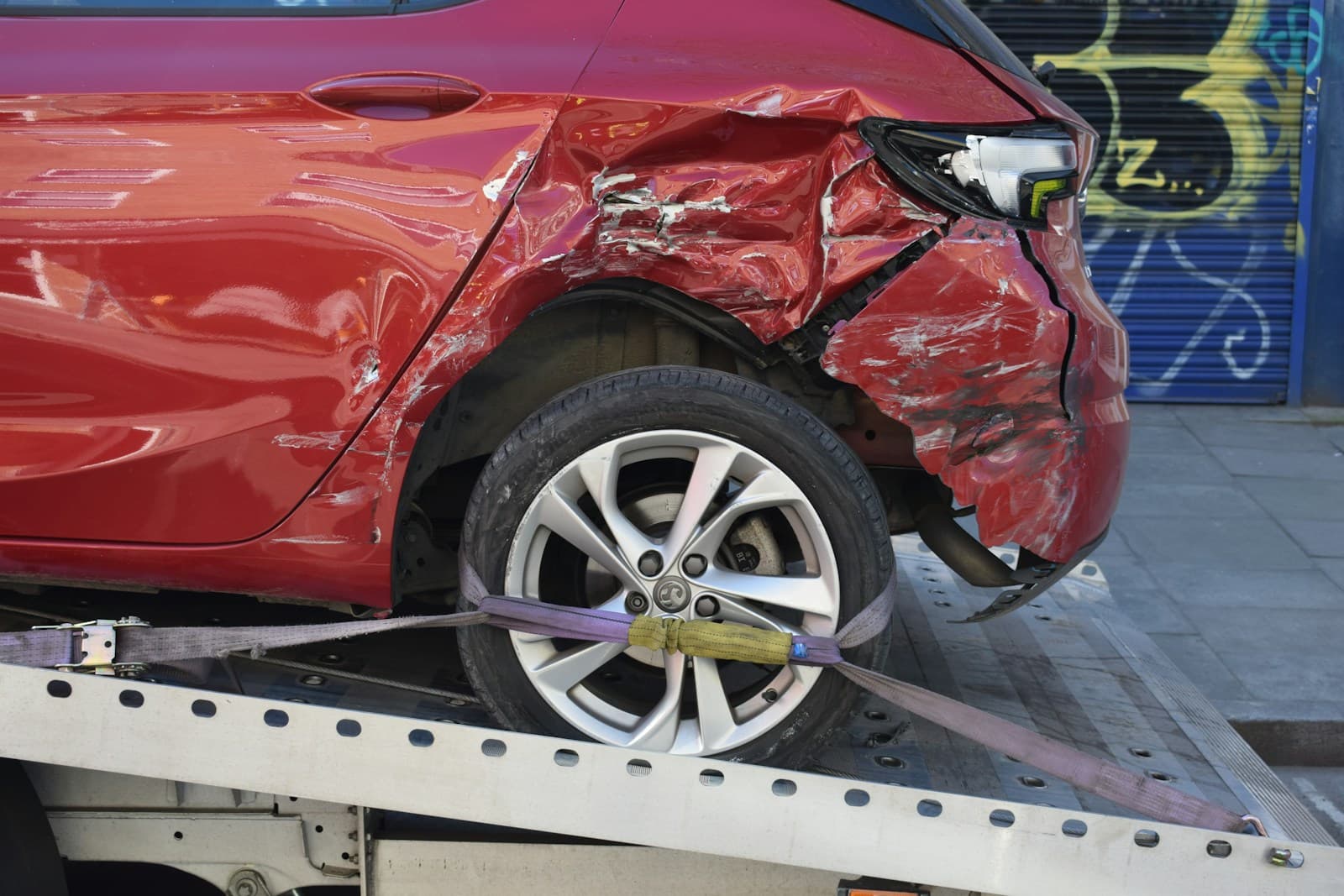
Most senior drivers arrange coverage in the wrong order — prioritizing collision on aging vehicles while leaving liability limits dangerously low despite owning a home, retirement accounts, or other assets a lawsuit could reach.
Why Liability Limits Matter More After Retirement Than Before
The collision coverage you carry on a 2015 sedan protects an asset worth perhaps $8,000. The liability coverage protects everything else you own — your home, your retirement accounts, your savings. If you cause an accident that seriously injures another driver, and your liability limit is $100,000 but the judgment is $350,000, the plaintiff can pursue your personal assets to collect the difference. This risk increases, not decreases, in retirement, because you typically have more accumulated wealth and fewer income sources to rebuild it.
Most senior drivers carry the same liability limits they selected decades ago — often 50/100/50, meaning $50,000 per person injured, $100,000 per accident, and $50,000 for property damage. These limits were adequate in 1985. They are not adequate now. Medical costs for serious injuries routinely exceed $100,000 in the first year alone, and if you're found at fault, your insurance pays only up to your policy limit. Everything beyond that comes from you personally.
The cost difference between minimal liability and protection that actually covers your net worth is smaller than most seniors expect. Increasing liability limits from 50/100/50 to 250/500/100 typically adds $15–$30 per month in most states, while increasing collision deductibles from $500 to $1,000 on that same aging vehicle saves $8–$15 per month. The correct layering strategy starts with liability, not collision.
The Correct Order: Liability First, Then Umbrella, Then First-Party Coverage
If you own a home with equity, have retirement accounts exceeding $100,000, or maintain investment portfolios, your liability coverage should match or exceed your net worth up to $500,000. Start with your auto policy's liability limits — 250/500/100 is a common mid-range option. If your assets exceed $500,000, add an umbrella policy that sits above your auto and homeowners coverage, typically available in $1 million increments starting around $20–$35 per month.
Umbrella policies require you to maintain minimum underlying liability limits on your auto policy, typically 250/500/100 or 300/300/100 depending on the carrier. You cannot skip to umbrella coverage with state minimum auto liability — the umbrella won't activate until your auto liability is exhausted. This layering structure means your auto policy pays first, up to its limit, and only then does the umbrella coverage begin.
Once liability protection matches your asset exposure, evaluate first-party coverage — collision and comprehensive — based on vehicle value and your ability to replace the vehicle out of pocket. If your vehicle is worth $6,000 and your collision deductible is $500, you're paying premiums to insure a $5,500 net exposure. Many senior drivers in this situation drop collision entirely or raise deductibles to $1,000, redirecting those premium dollars toward higher liability limits or umbrella coverage that protects far larger assets.
Compare rates from carriers that specialize in senior drivers
Mature driver discounts, low-mileage rates, and coverage reviews — see what you're actually eligible for.
Get Your Free Quote✓ Mature Driver Discounts✓ No Obligation✓ Licensed Carriers✓ All 50 States
How Medical Payments Coverage Interacts with Medicare for Senior Drivers
Medical payments coverage (MedPay) on your auto policy pays medical expenses for you and your passengers after an accident, regardless of fault, up to your selected limit — commonly $1,000, $5,000, or $10,000. Medicare is your primary health insurance, but it does not cover everything immediately after an auto accident, and it can seek reimbursement from your auto insurance settlement later through a process called subrogation.
MedPay works as secondary coverage to Medicare, paying deductibles, copays, and expenses Medicare doesn't cover in the immediate aftermath of an accident. This matters because emergency room visits, ambulance transport, and initial trauma care generate bills before Medicare processing begins. MedPay typically costs $3–$8 per month for $5,000 in coverage, and it can prevent out-of-pocket expenses that would otherwise come from your retirement income during the claims process.
Some senior drivers drop MedPay entirely, assuming Medicare provides sufficient coverage. This works if you have supplemental Medigap coverage that pays Medicare's deductibles and copays. If you don't carry Medigap, or if your plan has limited coverage, maintaining $5,000 in MedPay provides a buffer against immediate post-accident expenses without requiring you to navigate Medicare coordination of benefits while recovering from injuries.
When to Drop Collision and Comprehensive on Paid-Off Vehicles
The standard threshold financial planners use is the 10% rule: if your annual collision and comprehensive premiums exceed 10% of your vehicle's actual cash value, the coverage is no longer cost-effective. For a vehicle worth $7,000, that threshold is $700 per year, or about $58 per month. If you're paying $80 per month for collision and comprehensive combined, you're spending $960 annually to insure a depreciating asset — a poor use of premium dollars for most senior drivers on fixed income.
Dropping collision while keeping comprehensive is a common middle-ground strategy for senior drivers with paid-off vehicles of moderate age. Comprehensive covers theft, vandalism, weather damage, and animal strikes — events you cannot control through careful driving. Collision covers damage from accidents you cause or single-vehicle crashes. If you drive fewer than 5,000 miles annually, primarily in familiar areas during daylight hours, your collision risk is lower than your comprehensive risk in many regions, making comprehensive-only coverage a rational choice.
Before dropping any first-party coverage, confirm you have liquid savings sufficient to replace your vehicle without disrupting your retirement income. If replacing a $7,000 vehicle would require withdrawing from retirement accounts or disrupting your budget for several months, keeping higher-deductible collision coverage may still make sense. The question is not whether the vehicle is paid off — it's whether you can afford the replacement cost from assets outside your monthly income stream.
Uninsured Motorist Coverage: The Overlooked Layer for Senior Drivers
Uninsured motorist (UM) coverage protects you when an at-fault driver has no insurance or insufficient liability limits to cover your injuries and vehicle damage. In states where 12–15% of drivers are uninsured — including Florida, Mississippi, and New Mexico — UM coverage functions as a critical backup layer, particularly for senior drivers whose medical costs from injuries are typically higher and recovery times longer than younger adults.
UM coverage mirrors your liability limits in most states, meaning if you carry 250/500 liability, you can select up to 250/500 UM. The cost is typically 8–15% of your liability premium, or around $8–$18 per month for mid-range limits. This coverage pays your medical expenses, lost income (if you're still working part-time), and pain and suffering when the at-fault driver cannot. For senior drivers who no longer have employer-sponsored disability or health benefits beyond Medicare, UM coverage fills a gap that Medicare alone does not address.
Some states require you to reject UM coverage in writing if you choose not to carry it. Others include it automatically unless you opt out. If you increased your liability limits to protect your assets, match your UM limits to the same level — the scenarios where you need high liability protection (serious multi-vehicle accidents) are often the same scenarios where the other driver may be underinsured or uninsured.
How State Requirements and Discount Programs Affect Your Layering Strategy
State minimum liability requirements range from 15/30/5 in California to 50/100/25 in Alaska, but these minimums reflect legislative compromise, not adequate financial protection for drivers with assets. Meeting your state's minimum satisfies legal compliance but does nothing to protect your retirement savings, home equity, or investment accounts from a lawsuit following an at-fault accident.
Many states mandate or encourage insurers to offer mature driver course discounts — typically 5–10% off your total premium — for drivers who complete an approved defensive driving course. AARP and AAA offer the most widely accepted programs, with courses available online for $20–$30 and completion times around 4–6 hours. The discount applies to your entire policy, including liability, collision, and comprehensive, making it one of the highest-return activities available to senior drivers. If your annual premium is $1,400, a 10% discount saves $140 per year, recovering your course cost in under two months.
Low-mileage programs and usage-based telematics discounts vary significantly by state and carrier, but they're particularly valuable for senior drivers who no longer commute. If you drive fewer than 7,500 miles annually, ask your carrier about mileage-based pricing — some offer discounts of 10–20% for low-mileage drivers, and a few carriers now offer per-mile policies where you pay a base rate plus a per-mile charge, often resulting in premiums 30–40% lower than standard policies for drivers logging under 5,000 miles per year.