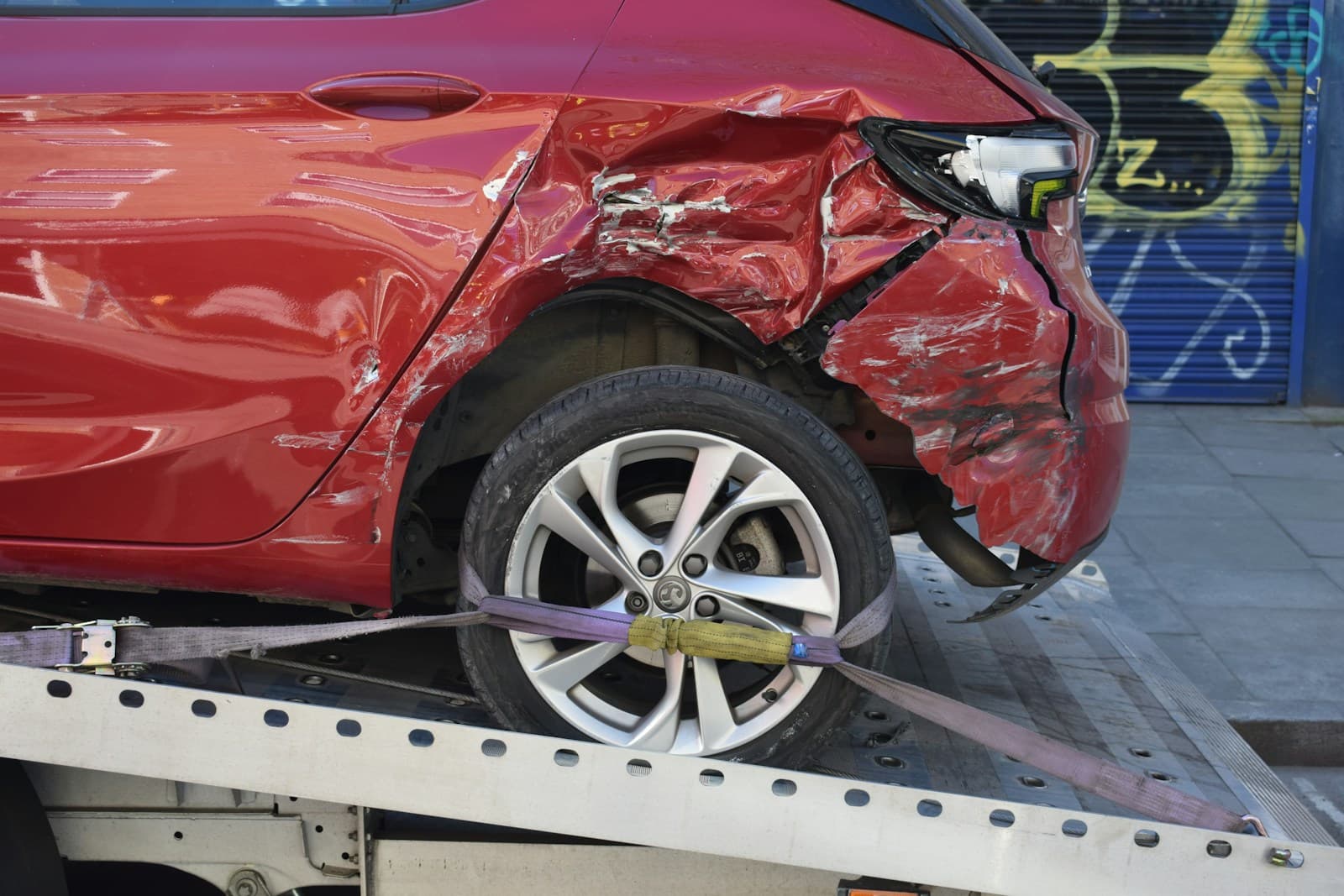
You're paying more for insurance after 65 despite decades of safe driving — and new car replacement coverage may be one add-on you're considering. Here's exactly when it makes financial sense and when it doesn't for drivers on retirement income.
What New Car Replacement Coverage Actually Covers — and the Timeline That Matters Most
New car replacement coverage promises to pay the full cost of a brand-new vehicle if your car is totaled, rather than its depreciated market value. Most carriers limit this coverage to vehicles 1–3 model years old, though some extend to 5 years for an additional premium. The coverage typically adds $50–$150 annually to your premium depending on the vehicle's value and your state.
The critical detail most agents don't emphasize: this coverage becomes worthless the moment your vehicle ages out of the eligibility window. If you purchased a 2023 model with new car replacement coverage in 2023, that coverage will likely expire or stop paying replacement value by 2026–2028 depending on your carrier's terms. You'll continue paying the premium unless you specifically request removal, but the benefit disappears.
For senior drivers who typically keep vehicles 8–12 years according to AARP data, this creates a math problem. You're paying for protection during the exact years when total loss is statistically least likely — new vehicles rarely get totaled — and losing coverage during the years when accident risk modestly increases and the protection would matter most.
The Depreciation Gap This Coverage Addresses
A new vehicle loses 20–30% of its value in the first year and roughly 15% annually for the next four years. If you finance a $35,000 vehicle and total it 18 months later, standard collision coverage pays approximately $24,500 based on actual cash value. Your loan balance might still be $28,000. New car replacement coverage would pay the full $35,000 replacement cost, eliminating that $10,500 gap.
For senior buyers purchasing with cash rather than financing — which represents roughly 61% of vehicle purchases by buyers over 65 according to Experian's 2023 State of the Automotive Finance Market report — the value equation changes completely. You're not protecting against negative equity on a loan. You're protecting against the inconvenience of needing to add cash to replace a totaled vehicle with an identical new model.
The question becomes whether that inconvenience justifies $400–$750 in premiums over a 5-year coverage period. If you're driving a paid-off 2019 sedan and considering adding new car replacement when you buy your next vehicle in 2025, you're essentially pre-paying for a benefit that only activates if you total a brand-new car within 36 months — an event with less than 2% probability for drivers with clean records.
Compare rates from carriers that specialize in senior drivers
Mature driver discounts, low-mileage rates, and coverage reviews — see what you're actually eligible for.
Get Your Free Quote✓ Mature Driver Discounts✓ No Obligation✓ Licensed Carriers✓ All 50 States
When This Coverage Makes Financial Sense for Senior Buyers
New car replacement coverage becomes mathematically defensible in three specific scenarios. First: you financed more than 90% of the vehicle's purchase price and your loan term extends beyond 48 months. Gap insurance covers loan-to-value shortfalls, but new car replacement goes further by covering your down payment and giving you a replacement vehicle rather than just paying off debt.
Second: you drive significantly above-average annual mileage despite being retired. The national average for senior drivers is 7,600 miles annually according to the Federal Highway Administration, but if you're driving 15,000+ miles for travel, family caregiving, or part-time work, your total loss probability increases and depreciation accelerates. The coverage window aligns better with your actual risk exposure.
Third: you're purchasing a vehicle you genuinely intend to replace within 3–4 years. Some senior buyers prefer newer vehicles for safety technology, warranty coverage, and reliability, and plan regular replacement cycles. If this describes your ownership pattern and you're purchasing high-value vehicles ($45,000+), the premium-to-benefit ratio becomes more favorable. For a $60,000 vehicle, paying $150 annually for 3 years ($450 total) to protect against a potential $18,000 depreciation loss shows reasonable value if total loss risk is non-trivial.
The Alternative Strategy Most Senior Drivers Should Consider
Rather than paying premiums for new car replacement coverage, consider adjusting your base collision and comprehensive deductibles and self-insuring the depreciation gap. If you would face a $12,000 gap between actual cash value and replacement cost in year two, setting aside $4,000 annually in a designated savings account builds that buffer within three years while maintaining control of the funds.
This approach works particularly well for senior drivers on fixed income who bought vehicles with cash. You're not paying insurance company overhead, profit margin, or administrative costs. You're building an asset you control rather than purchasing a contingent benefit that expires. If you never total the vehicle — the outcome for 98% of drivers in any given year — you retain the full amount for your next vehicle purchase or other needs.
For drivers who insist on formal coverage, gap insurance costs 60–70% less than new car replacement coverage and covers the specific financial exposure that matters if you financed the purchase. Most carriers offer gap coverage for $20–$40 annually compared to $50–$150 for new car replacement. It doesn't provide a brand-new replacement vehicle, but it eliminates the loan shortfall that creates actual financial hardship.
How This Coverage Interacts with State-Specific Insurance Requirements
New car replacement is an optional endorsement in all states — no state mandates it as part of minimum coverage requirements. However, some states limit how carriers can define "total loss" and "actual cash value," which affects the size of the depreciation gap this coverage addresses. Georgia, for instance, requires carriers to use specific valuation methods that often produce higher actual cash value payments than carriers might offer voluntarily.
Senior drivers in states with mature driver course discount mandates should calculate whether redirecting the new car replacement premium toward overall rate reduction produces better value. If your state requires a 5–10% discount for completing an approved driving course and your annual premium is $1,400, that discount saves $70–$140 per year — often exceeding the cost of new car replacement coverage while applying to your entire policy rather than a single optional endorsement.
Some carriers bundle new car replacement with other optional coverages in "premier" or "platinum" packages marketed specifically to higher-income senior buyers. These packages may include rental car coverage, roadside assistance, and enhanced liability limits. Evaluate each component separately rather than accepting the bundle. Many senior drivers already have roadside assistance through AAA or vehicle manufacturer programs, making that portion of the bundle redundant. Your state's approach to stacking discounts and regulating optional coverage sales affects whether unbundling these services is permitted or practical.
Questions to Ask Your Agent Before Adding This Coverage
Request the specific eligibility window in writing. Ask: "Exactly how many model years does this coverage remain active, and what triggers its expiration?" Some carriers use model year, others use purchase date, and the difference can mean 12 months of coverage variation. Confirm whether the coverage automatically renews and continues charging premiums after your vehicle ages out of eligibility — some carriers require you to manually remove expired endorsements.
Ask what "new car replacement" means for your specific vehicle. Does it cover an identical make and model, or does the carrier substitute a "comparable vehicle" at their discretion? If you're driving a limited-production vehicle or a model that's been discontinued, the replacement guarantee may be theoretical rather than practical. Request the valuation method in writing.
Finally, ask how the coverage interacts with your existing collision deductible. Some carriers waive the deductible for new car replacement claims, others apply it to the replacement vehicle. If you're carrying a $1,000 deductible to keep your premium affordable and the carrier applies that deductible to your replacement vehicle, you've reduced the net benefit by $1,000 — a significant portion of the total value for moderately-priced vehicles.