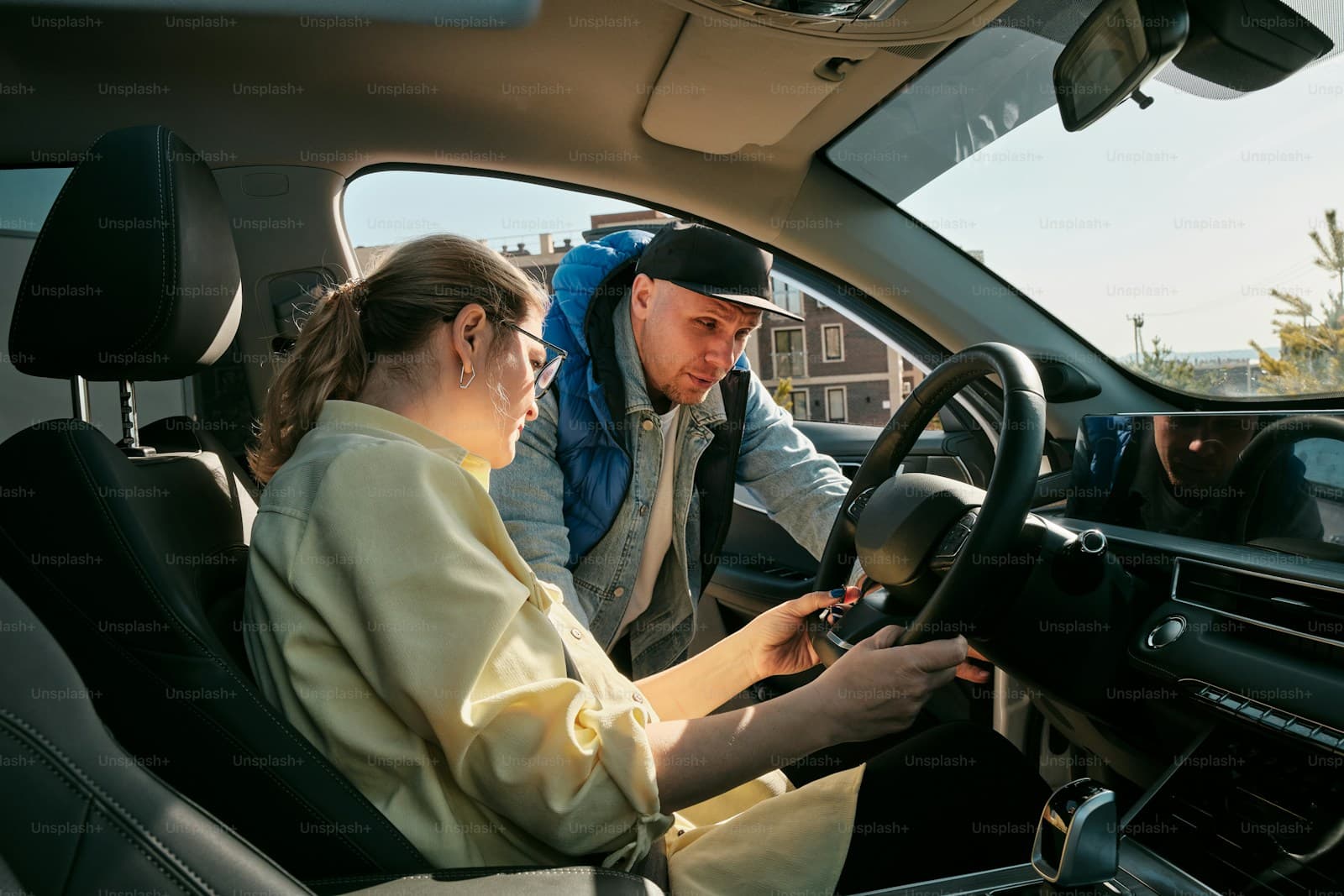
Your grandchild needs occasional coverage on your car, but your carrier's definition of 'occasional' and the underwriting consequences may not match what you expect.
Why Carriers Treat Occasional Teen and Young Adult Drivers Differently Than You Expect
When your grandchild visits for summer break or holiday stays and asks to borrow your car, most carriers do allow occasional driver coverage without formally adding them to your policy. But occasional typically means fewer than 12–30 days per year, and that threshold varies significantly by insurer. State Farm and Allstate generally use a 12-day annual threshold, while GEICO and Progressive often allow up to 30 days before requiring formal listing.
The risk for senior policyholders is that exceeding this threshold — even unknowingly — can result in claim denial or retroactive premium adjustments. If your grandchild drives your vehicle 15 times over six months and has an at-fault accident, the carrier may investigate usage patterns through telematics data, repair shop interviews, or neighbor statements. Discovering regular use that wasn't disclosed can void coverage for that incident and trigger policy cancellation.
Most carriers won't proactively clarify these thresholds at policy renewal. You must ask your agent directly: "How many days per year can my grandchild drive my car before they must be listed as a rated driver?" Get the answer in writing, because different representatives at the same company sometimes provide conflicting guidance.
The Premium Impact When You Formally Add a Grandchild Under 25
If your grandchild's usage exceeds occasional thresholds, you'll need to add them as a rated driver. For senior policyholders adding a grandchild aged 16–19, premiums typically increase 150–300% on the vehicle that driver is assigned to. A senior driver in Ohio paying $85/mo for full coverage on a 2018 sedan might see that portion of their premium jump to $255–340/mo with a 17-year-old grandchild added.
The increase moderates slightly for drivers aged 20–25, but remains substantial — typically 80–150% above the senior's base rate. These increases reflect actuarial data: drivers under 25 have crash rates 3–4 times higher than drivers aged 65–74, and insurers price that risk directly into multi-driver household policies.
Some carriers offer modest relief if the grandchild is listed at a different primary residence and your address is only for occasional use. USAA and Erie, for example, may apply a secondary location discount of 10–25% if the student permanently resides elsewhere and is listed on a parent's policy as primary. But this requires documentation — usually a college enrollment letter or lease agreement showing the other address — and not all carriers offer this option.
Compare rates from carriers that specialize in senior drivers
Mature driver discounts, low-mileage rates, and coverage reviews — see what you're actually eligible for.
Get Your Free Quote✓ Mature Driver Discounts✓ No Obligation✓ Licensed Carriers✓ All 50 States
State-Specific Rules That Change How Occasional Coverage Works
Several states impose specific requirements that override typical carrier policies on household drivers. In Michigan, any household member of driving age must be either listed as a rated driver or explicitly excluded in writing — there is no true occasional driver status under state law. California requires similar disclosure for any regular household member, though it allows visiting relatives to drive under permissive use provisions for visits under 30 days annually.
New York and Pennsylvania allow occasional driver arrangements but require carriers to investigate usage patterns after any claim involving an unlisted driver. If your grandchild is driving more than the carrier's threshold and has an accident, expect the insurer to request phone records, school schedules, and vehicle telematics data to determine residency and usage frequency. Inconsistent answers can result in claim denial even if the accident itself was unrelated to driver experience.
Florida, Texas, and Ohio generally follow industry-standard occasional driver rules but don't mandate specific day-count thresholds. This means each carrier sets its own definition, and switching insurers may mean discovering a new set of limits. Before your grandchild's next extended visit, check your state's Department of Insurance website or contact your carrier to confirm both state law and company-specific policy on occasional drivers.
How to Structure Coverage If Your Grandchild Drives Regularly
If your grandchild will drive your vehicle more than occasionally — such as staying with you for a full summer, semester break, or while attending a local college — you have three primary options. First, add them as a rated driver to your existing policy and accept the premium increase. This is the cleanest approach and avoids any coverage gaps, but it's also the most expensive.
Second, if your grandchild has their own vehicle and existing policy at another address, confirm whether your carrier allows a "listed driver, rated elsewhere" arrangement. Travelers, Nationwide, and some regional carriers permit this if the grandchild maintains primary coverage on another vehicle and your car is genuinely secondary. You'll need proof of their active policy and may still see a small premium increase of 10–20%, but it avoids the full young driver surcharge.
Third, consider whether a named driver exclusion makes sense. This formally excludes your grandchild from any coverage under your policy, which prevents premium increases but also means zero coverage if they drive your car and have an accident — you would be personally liable for all damages and injuries. This option is only appropriate if your grandchild will never drive your vehicle, and it requires a signed exclusion form filed with your carrier. Some states, including Michigan and New York, restrict or prohibit named exclusions for household members.
What Happens When Your Grandchild Has an Accident Under Occasional Use
If your grandchild is driving your vehicle as an occasional permissive user and causes an accident, your liability insurance will typically cover third-party damages up to your policy limits. But your carrier will then investigate whether the driver's use was truly occasional or whether they should have been listed. If the insurer concludes usage exceeded their threshold, they may cover the current claim but non-renew your policy at the next term or retroactively adjust your premium for the period of undisclosed use.
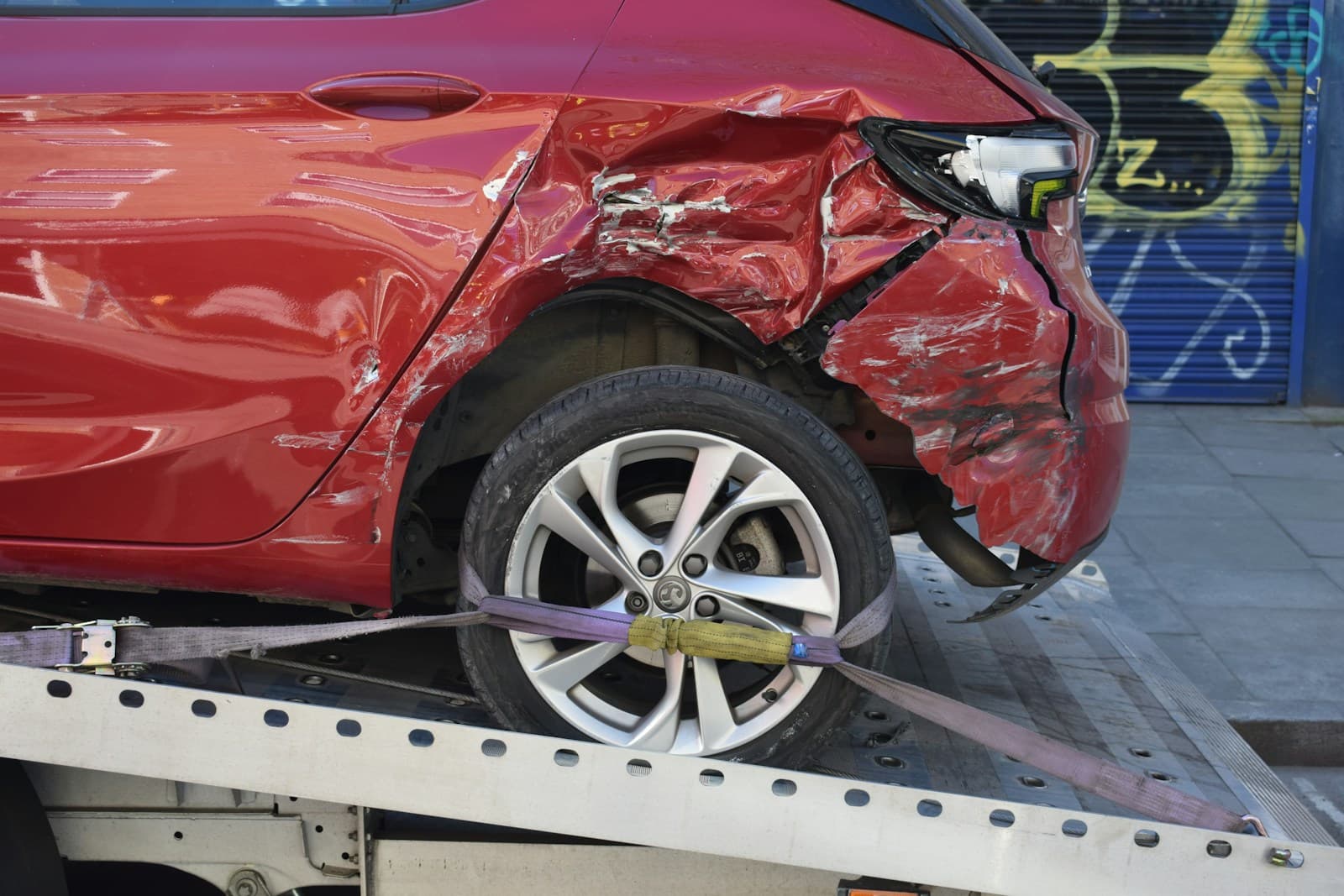
Collision and comprehensive claims face the same scrutiny. If your grandchild wrecks your car during what you believed was permissive occasional use, the carrier may pay the claim but then require you to either add the driver going forward or sign an exclusion. Some senior policyholders are surprised to learn that even a single at-fault accident by an occasional driver can trigger this ultimatum.
The claims impact extends beyond the immediate incident. That at-fault accident will appear on your policy's loss history and may affect your rates for 3–5 years, even though you weren't driving. This is because auto insurance follows the vehicle first, then the driver. When comparing future coverage, expect questions about any accidents involving your vehicles, regardless of who was driving. Some carriers offer accident forgiveness riders that can shield your rates from the first at-fault incident, but these typically cost $30–60/year and must be purchased before any claim occurs.
How Medicare and Your Auto Policy Interact After an Accident Involving Your Grandchild
If you're a passenger in your own vehicle when your grandchild is driving and an accident occurs, your auto policy's medical payments coverage typically pays first for your injuries — before Medicare. Most senior drivers carry medical payments coverage in amounts of $1,000–$5,000, which coordinates with Medicare as primary payer for accident-related medical bills up to that limit.
But if your medical payments limit is exhausted or you don't carry that coverage, Medicare will cover your treatment and may later seek reimbursement from your auto insurer or any liable third party through subrogation. This can create administrative complications and delayed claim resolution, particularly if fault is disputed. Many senior drivers find that maintaining medical payments coverage of at least $5,000 simplifies coordination of benefits and reduces out-of-pocket exposure for serious injuries.
If your grandchild is injured while driving your car and doesn't have health insurance, your medical payments coverage will typically extend to them as well, up to your per-person limit. This is one area where adequate medical payments coverage provides meaningful protection for visiting family members who might otherwise face substantial emergency room and trauma care bills. Some carriers, including Erie and Auto-Owners, offer medical payments limits up to $10,000 specifically to address this scenario for multi-generational households.