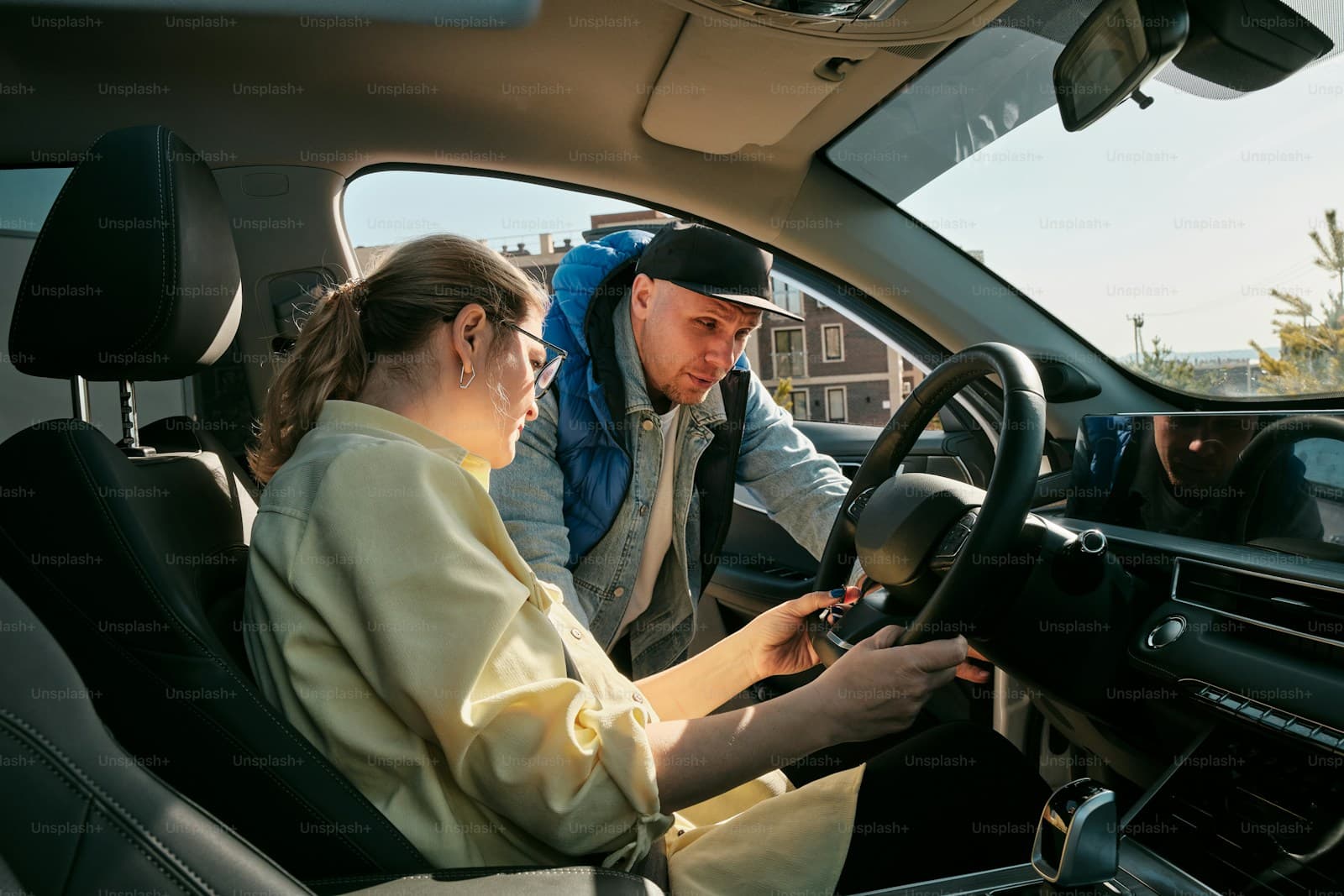
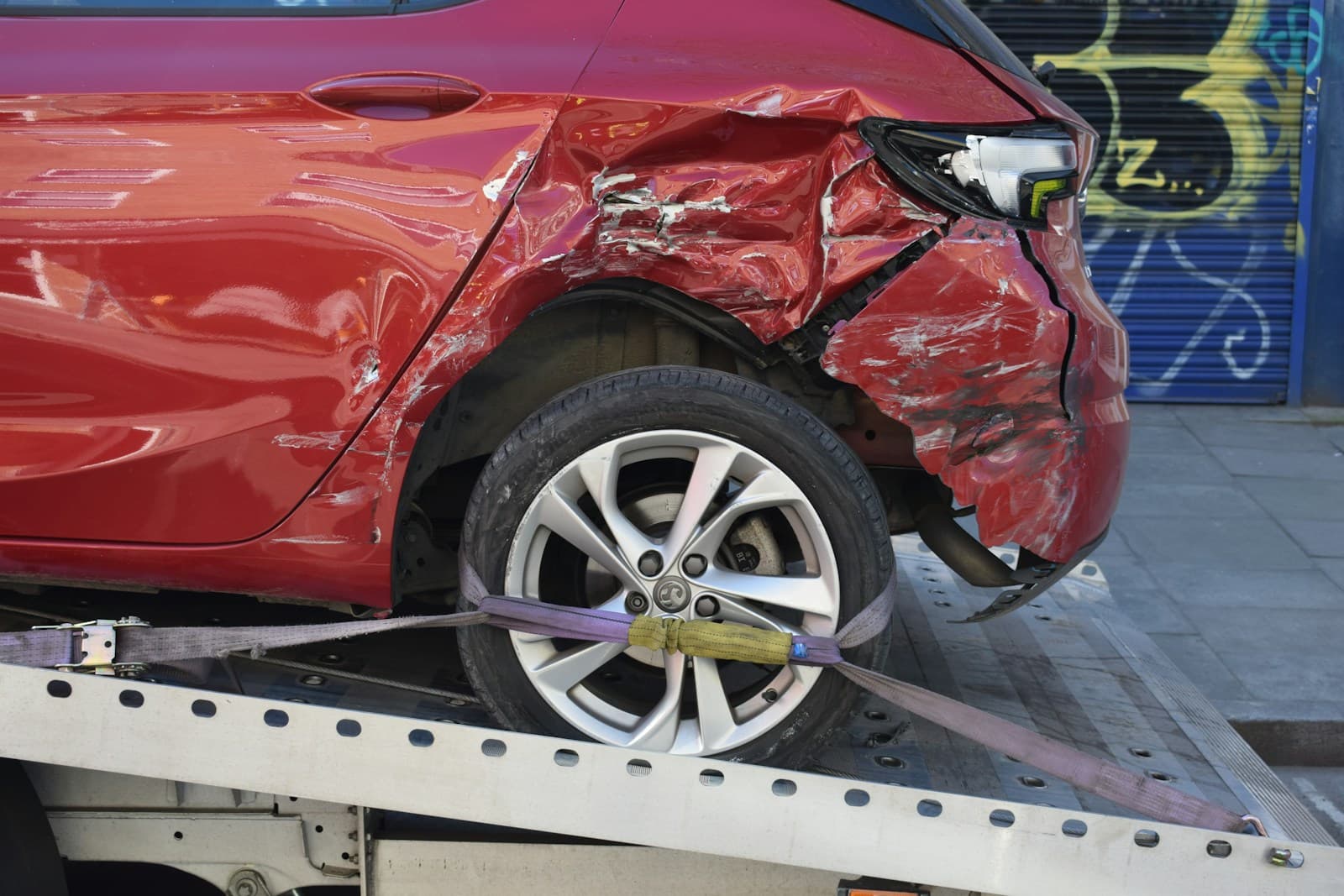
If your state DMV has asked you to take a re-examination, you're likely wondering whether passing it will affect your insurance rates — and whether failing it means automatic coverage loss.
What Happens to Your Insurance When You Pass a Re-Examination
Most insurance carriers do not receive automatic notification from state DMVs when you pass a re-examination. Unless you voluntarily disclose it or your carrier runs a new motor vehicle report during renewal, the exam itself won't appear in your insurance file. What does appear is the event that triggered the re-examination in the first place: the at-fault accident, the citation for failure to yield, or the pattern of minor violations that prompted your state to question your fitness to drive.
That triggering event — not the re-examination outcome — is what affects your rates. If you were involved in an at-fault accident at age 72 and subsequently passed a re-examination, your insurer will rate you based on the accident claim, not the fact that you proved your competence to the state. Passing the exam preserves your license but does not erase the incident from your driving record or your insurer's actuarial assessment.
In states where re-examinations are routine above a certain age (California requires them at 70+ in some cases, Illinois at 75+ for multi-year renewals, New Hampshire at 75+ for in-person renewals), passing the exam is treated as license maintenance, not a risk signal. Carriers in these states do not typically adjust rates based on the exam itself because it's a standard administrative requirement, not an indication of impaired driving.
How State Re-Examination Programs Differ and What Triggers Them
State DMVs use re-examinations to assess whether a driver remains capable of safe operation after a concerning event or upon reaching a certain age threshold. The triggering mechanisms vary widely. In California, any driver can be referred for re-examination by law enforcement, a physician, or a family member; the DMV evaluates the referral and may require a knowledge test, vision test, or behind-the-wheel assessment. In Illinois, drivers aged 75 and older must pass a driving test every two years for license renewal, making re-examination a routine age-based requirement rather than an incident-driven one.
New Hampshire requires in-person renewal starting at age 75, which includes vision screening and may escalate to a road test if the examiner has concerns. Florida uses a physician reporting system where doctors can file confidential reports about patients whose medical conditions may impair driving; the DMV then decides whether a re-examination is warranted. These differences matter because in states where re-examination is routine, insurers do not treat it as a red flag. In states where it's triggered only by incidents or medical reports, the underlying cause is what insurers focus on.
Most re-examinations include three components: a written knowledge test covering traffic laws and signs, a vision test to confirm minimum acuity standards (typically 20/40 with or without correction), and in some cases a behind-the-wheel road test covering basic maneuvers, lane control, signaling, and intersection navigation. Passing all components means your license remains valid; failing any component typically results in a restricted license, a time-limited permit requiring retesting, or full suspension depending on state policy and the severity of the deficiency.
Compare rates from carriers that specialize in senior drivers
Mature driver discounts, low-mileage rates, and coverage reviews — see what you're actually eligible for.
Get Your Free Quote✓ Mature Driver Discounts✓ No Obligation✓ Licensed Carriers✓ All 50 States
When Failing a Re-Examination Affects Your Coverage
If you fail a re-examination and lose your license — even temporarily — your auto insurance coverage does not automatically cancel, but your ability to legally drive does. Most policies require that all listed drivers maintain valid licenses. If your license is suspended or revoked, you must notify your insurer within the timeframe specified in your policy, typically 10 to 30 days. Failing to disclose a license suspension is a material misrepresentation and can void coverage retroactively, meaning the insurer could deny any claim filed during the period you drove without a valid license.
If you are the only driver on the policy and lose your license, you have two options: cancel the policy entirely if the vehicle will not be driven, or maintain the policy with you listed as an excluded driver and add a licensed household member or caregiver as the primary driver. Most carriers will allow you to keep comprehensive coverage on a parked vehicle to protect against theft, fire, or weather damage even when no one in the household is actively driving it. Some insurers offer storage or lay-up policies with lower premiums for vehicles that remain registered but are not in use.
If you fail the re-examination but are granted a restricted license — for example, daytime driving only, or within a certain radius of your home — your insurer will typically continue coverage without restriction because the policy covers your use of the vehicle, not the DMV's administrative limits on when or where you drive. However, if you violate the terms of the restricted license and cause an accident, the insurer may still pay the claim under liability coverage (to protect third parties) but could later cancel your policy or exclude you from future renewals.
How to Report a Re-Examination to Your Insurer (and Whether You Should)
You are not required to proactively report that you passed a re-examination unless your policy explicitly requires disclosure of all DMV interactions. Most policies require you to report license suspensions, revocations, or restrictions — but not successful completion of administrative tests. If you passed the re-examination and your license status remains unchanged, there is generally no affirmative duty to inform your carrier.
That said, if the re-examination was triggered by an accident or citation that you have not yet disclosed, you must report that incident according to your policy's claims and disclosure requirements. Failing to report an at-fault accident — even one that didn't result in a claim — is a breach of policy terms and can lead to coverage denial or cancellation. The re-examination itself is not the reportable event; the accident or violation that led to it is.
If you failed the re-examination and received a restricted or suspended license, you must report this to your insurer immediately. Most insurers allow you to update your policy online, by phone, or through your agent. When you report a license restriction, the insurer will assess whether your current coverage remains appropriate and whether you need to be excluded, listed as a secondary driver, or removed entirely if you will no longer drive the vehicle. Prompt disclosure protects you from claims denial and potential fraud allegations.
Rate Impacts After the Event That Triggered the Re-Examination
The at-fault accident, moving violation, or medical referral that triggered your re-examination is what determines your rate adjustment, not the exam outcome. If you were involved in a collision with $8,000 in property damage and later passed a re-examination, the insurer will apply a surcharge based on the at-fault claim — typically 20% to 40% for a first accident depending on your state and carrier. That surcharge will remain in effect for three to five years from the date of the accident, regardless of your re-examination result.
If the re-examination was triggered by a moving violation — such as running a stop sign or an unsafe lane change — the violation itself will appear on your motor vehicle report and will be rated according to your insurer's point system. In most states, a single minor violation increases rates by 10% to 25% and remains surcharge-eligible for three years. If you accumulated multiple minor violations within a short period and were flagged for re-examination, each violation may carry its own surcharge, compounding the rate impact.
In states where re-examination is age-based and routine rather than incident-driven, passing the exam has no rate consequence because there was no underlying event to rate. However, age itself remains a pricing factor. Auto insurance rates typically increase 8% to 15% between age 70 and 75, and 15% to 30% between 75 and 80, driven by actuarial data showing increased claim frequency and severity in these age bands. These increases occur regardless of individual driving record and are applied at renewal based on your age cohort and state rating rules.
How to Offset Rate Increases After a Re-Examination Event
If your rates increased due to the accident or violation that triggered your re-examination, the most effective offset strategy is completing a state-approved defensive driving or mature driver course. Most states mandate that insurers offer a discount of 5% to 15% for drivers who complete an approved course, and the discount applies for two to three years. In some states, completing the course also removes points from your driving record or prevents points from being assessed, which can further reduce your premium.
Courses approved by AARP, AAA, the National Safety Council, and state-specific providers typically cost $20 to $35 and can be completed online in four to eight hours. Many insurers apply the discount automatically upon receiving your certificate of completion, but some require you to request it and submit proof. If you're over 55, check whether your state has a mature driver improvement program — these courses are specifically designed for senior drivers and often satisfy both insurance discount requirements and DMV re-examination preparation.
Other rate recovery strategies include reducing coverage on older paid-off vehicles, increasing deductibles to lower collision and comprehensive premiums, and enrolling in usage-based insurance programs if you drive fewer than 7,500 miles per year. If you're now driving less than 5,000 miles annually, some carriers offer low-mileage discounts of 10% to 20% or pay-per-mile policies that can cut premiums in half for drivers who no longer commute. Re-shopping your policy after an incident can also yield savings — not all carriers rate accidents and violations the same way, and some specialize in coverage for drivers with recent events on their record.
State-Specific Re-Examination Rules That Affect Coverage
California's re-examination process is among the most comprehensive: drivers can be referred by anyone, including family members, and the DMV has broad authority to require knowledge, vision, and driving tests. If you pass, your license is renewed without restriction. If you fail, the DMV may issue a restricted license, require medical clearance, or suspend your license pending retesting. Insurers in California do not receive automatic notification of re-examinations unless they result in a license action, so passing has no direct premium effect.
Illinois requires all drivers aged 75 and older to pass a driving test every two years for renewal. This is not a re-examination in response to an incident — it's a routine age-based requirement. Because it's universal for the age group, insurers do not treat it as a risk signal. However, Illinois law also allows medical professionals to report potentially unsafe drivers to the Secretary of State, which can trigger an additional medical review or specialized testing.
Florida uses a physician-driven reporting system: doctors who believe a patient's medical condition impairs driving ability can file a confidential report, and the DMV may then require a re-examination. Florida does not have routine age-based testing, so a re-examination in Florida signals a medical or incident-related concern. If you pass the exam, your license remains valid, but the medical condition that prompted the report may still be of interest to insurers if it affects your ability to drive safely or increases accident risk.