If you're driving 7,000 miles a year or less in retirement, pay-per-mile insurance could cut your premium 30–60% — but only if your state offers it and your carrier participates.
What Pay-Per-Mile Insurance Actually Costs for Low-Mileage Seniors
Pay-per-mile insurance splits your premium into two parts: a low monthly base rate (typically $30–$50) that covers you whether you drive or not, plus a per-mile rate (usually 3–7 cents per mile) charged only for miles you actually drive. For a senior driver covering 6,000 miles annually at 5 cents per mile, that's $300 in mileage charges plus roughly $480 in base premiums — $780 total for the year, or $65 per month.
Compare that to traditional insurance. The average full-coverage premium for a 70-year-old driver with a clean record runs $1,200–$1,800 annually in most states, or $100–$150 per month, regardless of whether you drive 15,000 miles or 5,000. If you're no longer commuting, running weekend errands only, or driving primarily for medical appointments and social visits, you're paying the same rate as someone driving triple your mileage.
The breakeven point matters more than the advertised savings. Most pay-per-mile programs become cost-effective when your annual mileage drops below 8,000–10,000 miles, depending on your base rate and per-mile charge. Drive 12,000 miles at 6 cents per mile and you've added $720 in mileage fees — erasing most of the savings from your lower base rate. This is why pay-per-mile works best for fully retired drivers, not semi-retired seniors still working part-time or taking frequent long road trips. liability coverage limits
Which States and Carriers Offer Pay-Per-Mile Programs
Pay-per-mile insurance isn't available everywhere, and even where it exists, carrier participation is limited. As of 2024, Metromile (now part of Lemonade), Nationwide's SmartMiles, and Allstate's Milewise are the three largest programs, but availability varies sharply by state. Metromile operates in eight states including California, Illinois, and Virginia. Nationwide's SmartMiles is available in most states but not all. Allstate's Milewise covers more than 20 states but excludes New York, North Carolina, and several others.
If you live in a state without pay-per-mile options, telematics-based low-mileage discounts may be your alternative. Programs like Progressive's Snapshot, State Farm's Drive Safe & Save, and GEICO's DriveEasy track mileage along with driving behaviors and can reduce premiums 10–25% for low-mileage drivers. These aren't true pay-per-mile models — you still pay a standard premium adjusted by discount — but they reward reduced driving more directly than traditional policies.
Before switching, confirm your current carrier doesn't already offer a low-mileage discount you haven't claimed. Many insurers provide 5–15% discounts for drivers logging under 7,500 or 10,000 miles annually, but you must request the discount and sometimes verify mileage with an odometer photo. These discounts don't require telematics devices and don't track your driving habits — just annual mileage.
Compare rates from carriers that specialize in senior drivers
Mature driver discounts, low-mileage rates, and coverage reviews — see what you're actually eligible for.
Get Your Free Quote✓ Mature Driver Discounts✓ No Obligation✓ Licensed Carriers✓ All 50 States
How Mileage Tracking Works and What It Means for Privacy
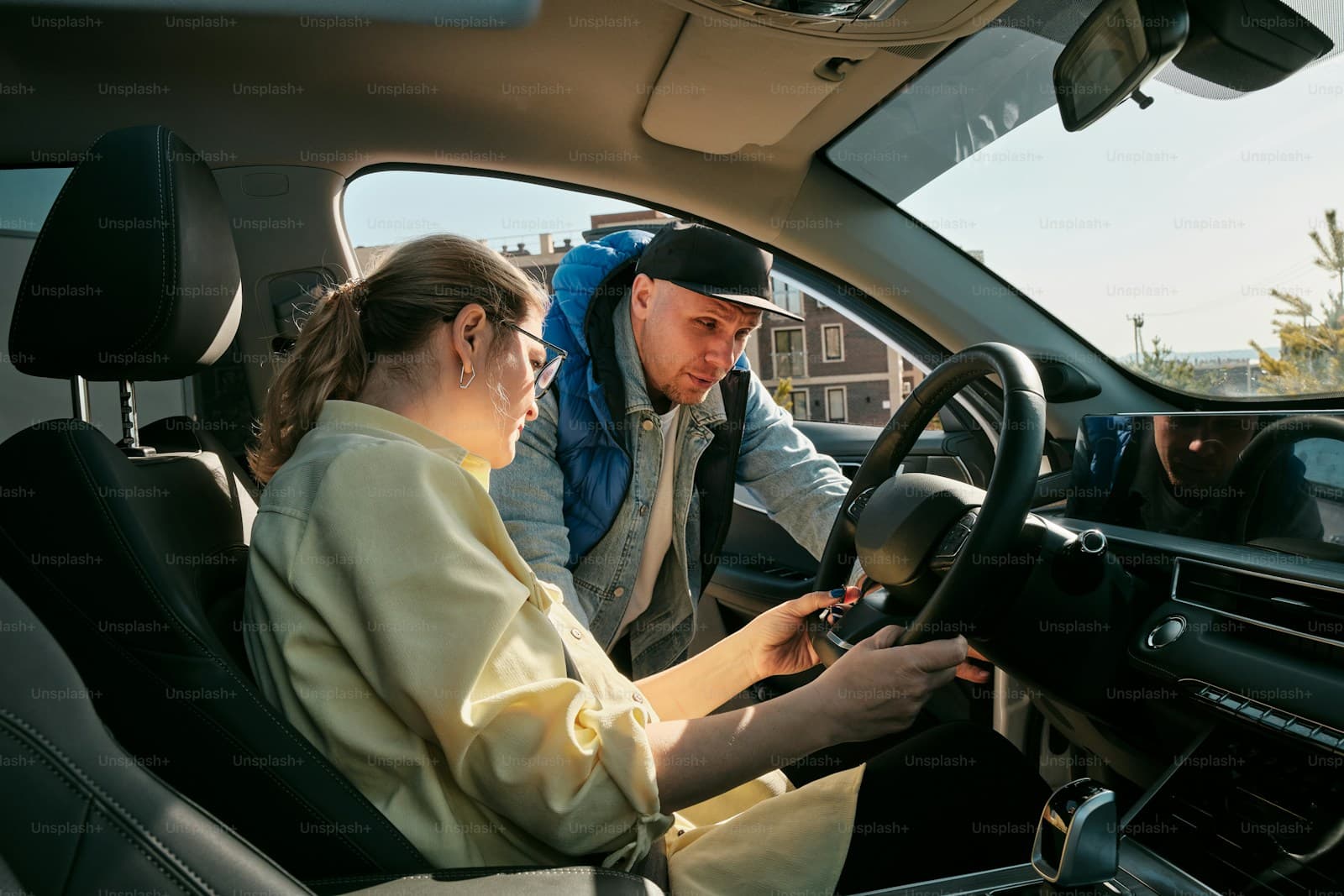
Pay-per-mile programs require mileage verification, typically through a small plug-in device installed in your vehicle's OBD-II port (the diagnostic port mechanics use) or through a smartphone app that uses GPS. The device or app records miles driven, and most programs also capture when and where you drive — data that raises legitimate privacy questions for seniors who value autonomy and aren't accustomed to this level of monitoring.
Most carriers state they use location data only to verify mileage and detect fraud, not to track specific trips or destinations. Milewise and SmartMiles both allow you to review your mileage data through an app or online portal. If you're uncomfortable with GPS tracking, ask whether the program offers mileage-only tracking without location data — some do, though it's not the default.
The device itself is simple to install and remove. The OBD-II port is usually located under the dashboard near the driver's seat, and the plug-in device requires no tools or mechanical knowledge. If you sell your vehicle or cancel the policy, you pull the device out and mail it back. Smartphone-based tracking avoids the device entirely but requires you to carry your phone on every drive, which may not align with how you currently use your phone.
One practical concern for seniors: if you occasionally take a long road trip — visiting grandchildren in another state, driving to a winter home, attending a family event — your mileage charges can spike in a single month. A 2,000-mile round trip at 6 cents per mile adds $120 to that month's premium. Pay-per-mile works best when your driving patterns are consistently low-mileage, not when they're variable.
When Staying With Traditional Insurance Makes More Sense
Pay-per-mile insurance isn't always the better deal, even for seniors driving infrequently. If you're already receiving a mature driver course discount (typically 5–10%), a low-mileage discount (5–15%), and a multi-policy discount (10–25%), your current premium may already be competitive with pay-per-mile rates — especially if you drive 8,000–10,000 miles annually or more.
Traditional policies also offer predictable monthly costs. Your premium doesn't fluctuate based on how much you drove last month, which simplifies budgeting on a fixed retirement income. Pay-per-mile premiums vary monthly depending on your mileage, which can be inconvenient if you prefer consistent expenses. Some seniors also value the relationship stability of staying with a long-term carrier, particularly if they've built rapport with a local agent who understands their situation.
Another factor: coverage options. Some pay-per-mile programs offer fewer coverage customization options than traditional policies, particularly around medical payments coverage, uninsured motorist limits, and roadside assistance. If you've carefully tailored your coverage to coordinate with Medicare or supplement gaps in health insurance, switching to a pay-per-mile carrier may require reworking those decisions.
Finally, consider whether your mileage is likely to increase. If you're currently driving 6,000 miles annually but expect that to rise — perhaps because you're planning extended travel, anticipating more medical appointments, or resuming part-time work — locking into a pay-per-mile program now could backfire within a year or two.
How to Compare Pay-Per-Mile Rates Against Your Current Premium
Start by determining your actual annual mileage. Check your odometer reading today and compare it to your reading from a year ago, or review your records from your last vehicle inspection or oil change if those include mileage. If you don't have a precise number, estimate conservatively — most seniors underestimate mileage by 1,000–2,000 miles when guessing.
Next, request a pay-per-mile quote that includes both the monthly base rate and the per-mile rate. Multiply your annual mileage by the per-mile rate, add 12 months of the base rate, and divide by 12 to get your estimated monthly cost. Compare that to your current monthly premium. If the pay-per-mile option saves you $30 per month or more, it's worth serious consideration. If the difference is $10–$15 monthly, factor in the inconvenience of switching, the privacy trade-offs of mileage tracking, and whether you value payment predictability.
Don't forget to compare coverage limits directly. A pay-per-mile quote with 50/100/50 liability limits isn't comparable to your current policy if you carry 100/300/100 limits. Make sure you're comparing equivalent liability coverage, the same comprehensive and collision deductibles, and similar optional coverages like medical payments or uninsured motorist protection.
If you're comparing multiple pay-per-mile carriers, ask how they handle mileage overages, whether rates are guaranteed for 6 or 12 months, and whether your per-mile rate can increase at renewal. Some programs lock your per-mile rate for a year; others adjust it based on actuarial changes or your claims history.
State-Specific Considerations for Senior Drivers Considering Pay-Per-Mile
State regulations affect both the availability of pay-per-mile insurance and how it interacts with senior-specific programs. In states that mandate mature driver course discounts — such as Florida, New York, and Illinois — you may be able to stack that legislated discount on top of a pay-per-mile base rate, further reducing costs. Confirm with the carrier whether mature driver discounts apply to pay-per-mile policies, as some treat them as separate rating structures.
Some states also restrict how insurers can use telematics data or require specific consumer protections around data privacy. California, for example, has strict limitations on how driving data can influence rates. If you live in a state with strong telematics regulations, pay-per-mile programs may offer more privacy protections than in states with minimal oversight.
Personal injury protection (PIP) requirements in no-fault states like Michigan, Florida, and New Jersey add another layer. PIP is mandatory and often expensive, which increases your base rate in a pay-per-mile policy just as it does in traditional insurance. For seniors on Medicare, PIP coverage often duplicates benefits, but you can't waive it in no-fault states. This can make pay-per-mile savings less dramatic in no-fault states compared to tort states where medical payments coverage is optional and can be reduced or eliminated if Medicare is your primary coverage.
If you're considering a move to another state in retirement, verify that your pay-per-mile carrier operates in your destination state before switching. Metromile, for instance, doesn't operate in Texas or North Carolina, so moving there would force you to find a new carrier mid-policy term. check your state's specific requirements