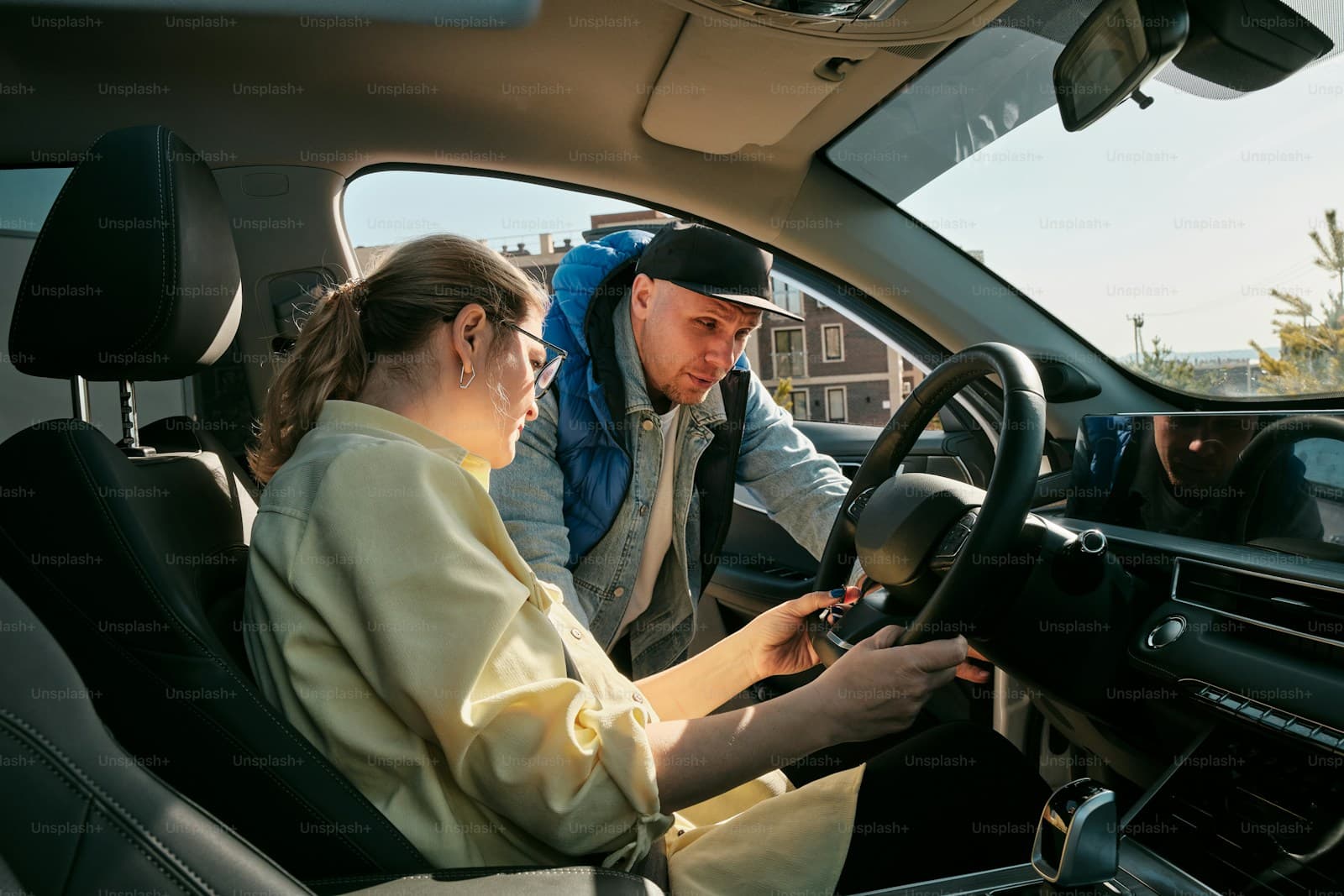
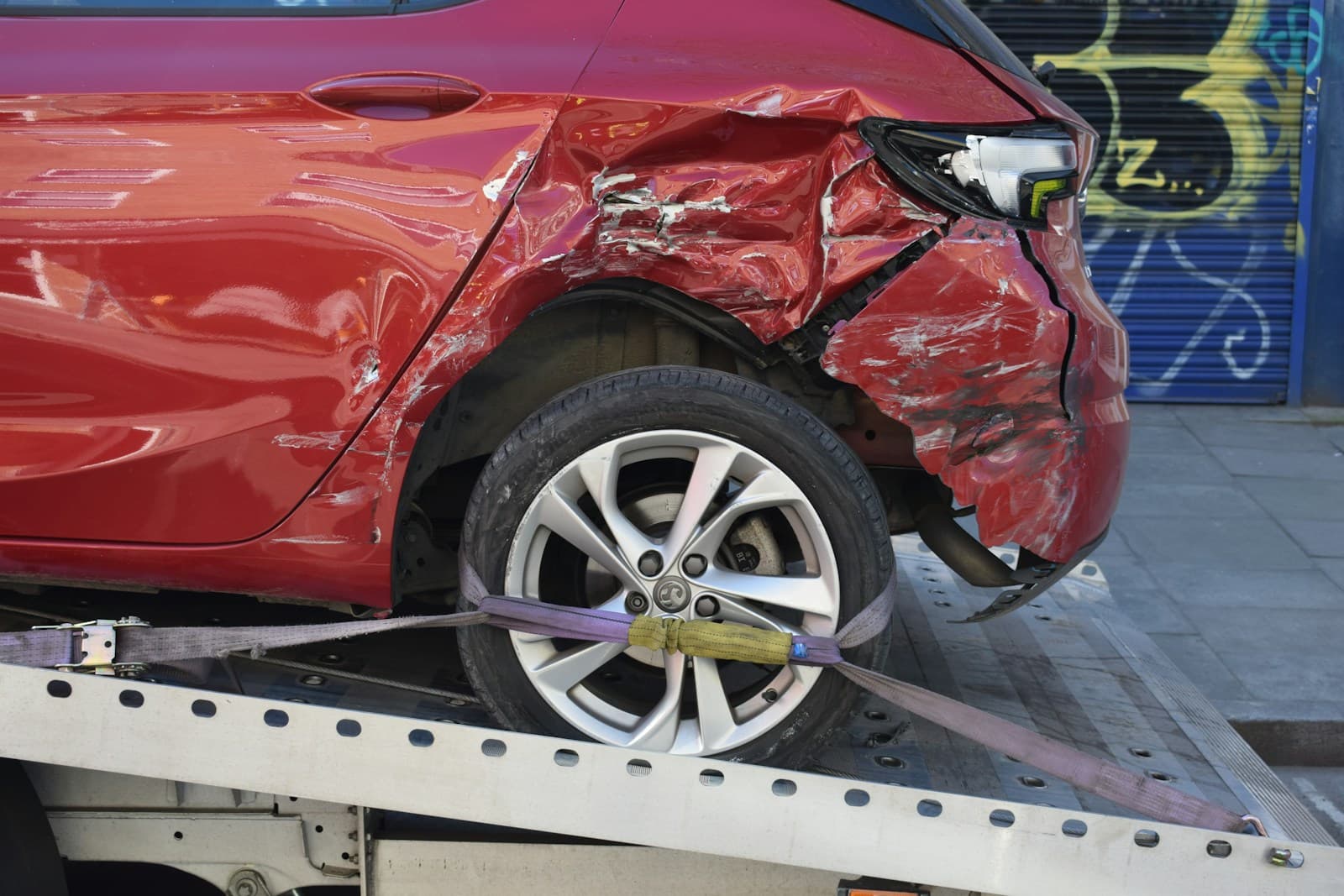
If you let your adult child, grandchild, or neighbor borrow your car occasionally, your auto policy likely covers them — but there are specific limits and exclusions senior drivers should understand before handing over the keys.
What Permissive Use Coverage Actually Covers When You Lend Your Car
Permissive use coverage is the part of your auto insurance policy that extends your liability and physical damage coverage to drivers you give permission to use your vehicle. If you lend your car to your daughter for a grocery run or let a grandchild drive you to a medical appointment, your policy typically responds if they cause an accident — with critical exceptions that most senior drivers discover only after a claim is denied.
Your coverage follows your car, not the driver. This means your liability limits apply, your deductible applies, and any accident appears on your insurance record even if you weren't behind the wheel. If the borrower has their own auto policy, it may provide secondary coverage after yours is exhausted, but your policy pays first and your rates are affected first.
Most carriers define permissive use narrowly: occasional borrowing by drivers not living in your household. The Insurance Information Institute confirms that someone who drives your car regularly — even without formal access — may need to be listed as a rated driver on your policy, which can increase your premium by 15–40% depending on their age and driving record. The line between "occasional" and "regular" is where most coverage gaps emerge for senior drivers who help family members without their own vehicles.
Household Member Exclusions: The Gap Most Seniors Don't Know Exists
If an adult child, grandchild, or relative lives with you — even temporarily — most auto policies require you to either list them as a rated driver or formally exclude them from coverage. This household member rule exists because insurers assume anyone living at your address has regular access to your vehicle, which changes the risk profile they're willing to cover under a standard permissive use arrangement.
The definition of "household member" varies by carrier and state, but typically includes anyone residing at your address for more than 30–60 consecutive days. If your adult son stays with you for three months while between jobs and borrows your car to job hunt, you may have no coverage if he causes an accident — unless you added him to your policy when he moved in. Carriers deny these claims routinely, and the policyholder is left personally liable for damages that can easily exceed $100,000 in a serious injury accident.
Many senior drivers face this scenario when providing temporary housing for family members. The solution is to contact your insurer immediately when a household composition changes. Adding a driver costs money, but excluding a household member in writing protects you from being blamed for non-disclosure if that person later drives your car without permission. Some states prohibit named driver exclusions entirely, which means you must add and pay for any licensed household member regardless of whether you intend to let them drive.
Compare rates from carriers that specialize in senior drivers
Mature driver discounts, low-mileage rates, and coverage reviews — see what you're actually eligible for.
Get Your Free Quote✓ Mature Driver Discounts✓ No Obligation✓ Licensed Carriers✓ All 50 States
State-Specific Rules on Permissive Use and Named Driver Exclusions
Twelve states — including New York, Michigan, and Kansas — prohibit or restrict named driver exclusions, which means if a licensed driver lives in your household, your insurer can require you to add them as a rated driver even if you never let them use your car. This rule significantly increases premiums for senior drivers who live with adult children or other relatives, sometimes by $600–$1,200 annually depending on the household member's age and record.
Other states allow exclusions but require specific signed forms acknowledging that the excluded person has zero coverage under your policy, even in an emergency. If you sign an exclusion for your grandson and later let him drive you to the emergency room, your carrier can deny the claim based on your written exclusion — even though you gave explicit permission in that moment. These state-specific requirements make it essential to understand your local rules before making assumptions about who can borrow your vehicle.
Some states also impose permissive use limits through financial responsibility laws. California, for example, requires that permissive use coverage extend the full policy limits to any driver using the vehicle with permission, while other states allow carriers to reduce limits for permissive drivers. If you live in a state where your full liability coverage doesn't automatically extend to borrowers, a single accident involving a permissive driver could leave you exposed to personal liability beyond your policy limits. Check your state's Department of Insurance website or consult your agent to understand how permissive use operates where you're insured.
When Your Liability Limits May Not Be Enough for Borrowed Car Accidents
Many senior drivers carry the state minimum liability limits — often $25,000 per person and $50,000 per accident for bodily injury — because they're on fixed retirement income and trying to control premium costs. If you lend your car to someone who causes a serious accident, those limits can be exhausted in minutes, leaving you personally liable for the excess. Medical bills, lost wages, and pain and suffering claims in injury accidents routinely exceed $100,000, and your home, retirement savings, and other assets can be targeted in a judgment.
The borrower's own auto insurance may provide secondary coverage, but only if they carry their own policy and only after your limits are fully paid out. If your grandchild borrows your car and doesn't have their own insurance, your policy is the only coverage in play. If your limits are $50,000 and the damages are $150,000, you're facing a $100,000 personal exposure — a financial catastrophe for most retirees.
Umbrella liability policies can fill this gap for $150–$300 annually, providing an additional $1 million in liability coverage that applies after your auto policy limits are exhausted. For senior drivers who regularly lend vehicles to family members or neighbors, an umbrella policy is one of the most cost-effective protections available. It covers not just auto accidents but also liability claims related to your home, which makes it a sensible addition for retirees with assets to protect.
Frequency Limits: When Occasional Borrowing Becomes Regular Use
Insurers don't publish bright-line rules about how often someone can borrow your car before they must be added as a rated driver, but claims adjusters routinely investigate usage patterns after accidents. If your neighbor borrows your car every Saturday for errands and then causes an accident, the carrier may argue that this constitutes regular use and deny coverage based on material misrepresentation — the idea that you failed to disclose a regular driver when you bought or renewed your policy.
Most experts suggest that anyone who drives your car more than once per month or on a predictable schedule should be listed on your policy. If you're letting an uninsured family member use your vehicle while they save up for their own car, you're almost certainly outside the permissive use safe zone. Carriers have access to telematics data, maintenance records, and even EZ-Pass logs that can establish driving patterns, and they use this evidence to deny claims that appear to involve unlisted regular drivers.
The solution is transparency with your insurer. If someone will be borrowing your car regularly — even temporarily — call your agent and ask whether they need to be added. The premium increase may be significant, but it's a known cost you can budget for. The alternative is a denied claim and personal liability exposure that could consume your retirement savings in a single accident.
How Medicare and Medical Payments Coverage Interact for Senior Drivers
If you're injured as a passenger while someone else is driving your car under permissive use, your own medical payments coverage (MedPay) or personal injury protection (PIP) will typically cover your medical bills up to your policy limits — often $1,000–$5,000. Medicare is the secondary payer in auto accident situations, which means your auto insurance must pay first before Medicare steps in.
This coordination-of-benefits rule surprises many senior drivers who assume Medicare covers everything. If your MedPay limit is $2,000 and your emergency room and hospital bills total $15,000, your auto policy pays the first $2,000 and Medicare covers the remaining $13,000 (subject to deductibles and coinsurance). However, Medicare has a right to recover what it pays if you later receive a settlement or judgment from the at-fault party. This creates complex recovery situations that many seniors aren't prepared to navigate.
For senior drivers who regularly ride as passengers — whether in their own car driven by someone else or in another vehicle — maintaining MedPay or PIP coverage at higher limits ($5,000–$10,000) can reduce out-of-pocket costs and simplify the claims process. The cost difference between $1,000 and $5,000 in MedPay is usually $30–$60 annually, a worthwhile investment for seniors on Medicare who want to minimize upfront medical expenses after an accident.
What to Do Before Lending Your Car to Protect Your Coverage
Before you hand over your keys, confirm that the borrower has a valid driver's license and ask whether they have their own auto insurance. If they do, understand that your policy will still pay first, but their coverage may provide backup protection. If they don't have insurance, you're taking on full exposure for any accident they cause, and you should seriously reconsider whether the loan is worth the risk.
Document the permission and the context. If you're lending your car for a one-time errand, that's standard permissive use. If it's the fourth time this month, you may need to add them to your policy. Keep a simple log of who borrows your vehicle and when — not because your insurer requires it, but because it helps you monitor whether a pattern is developing that requires a policy change.
Contact your insurance agent if you have any doubt about whether a borrowing arrangement is covered. The five-minute phone call could save you tens of thousands of dollars in denied claims. Ask explicitly: "If [name] borrows my car and causes an accident, will my policy cover it?" Get the answer in writing if the situation involves regular borrowing or a household member. Most coverage denials for permissive use claims stem from miscommunication or assumptions that the policyholder made without confirming with their carrier.