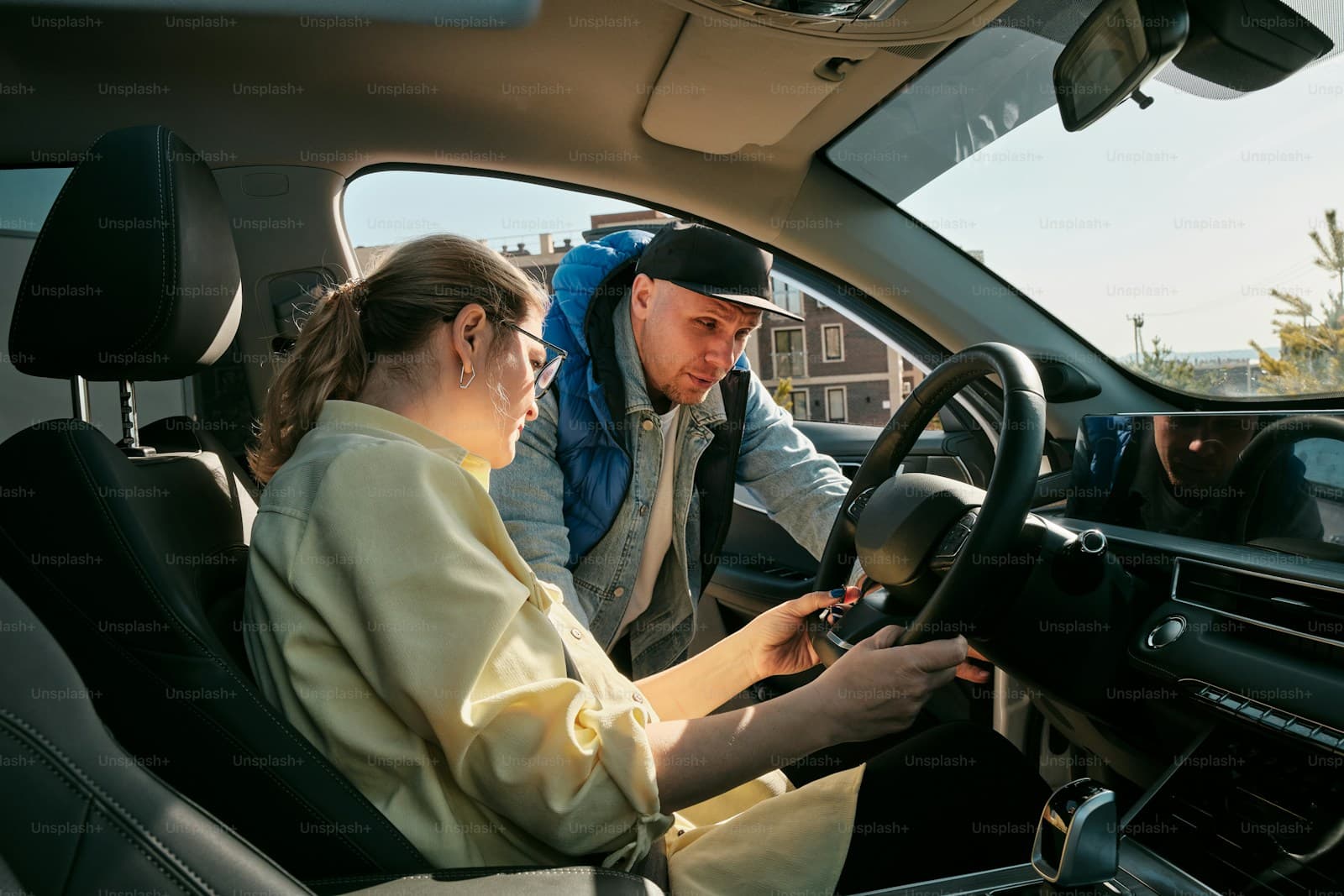
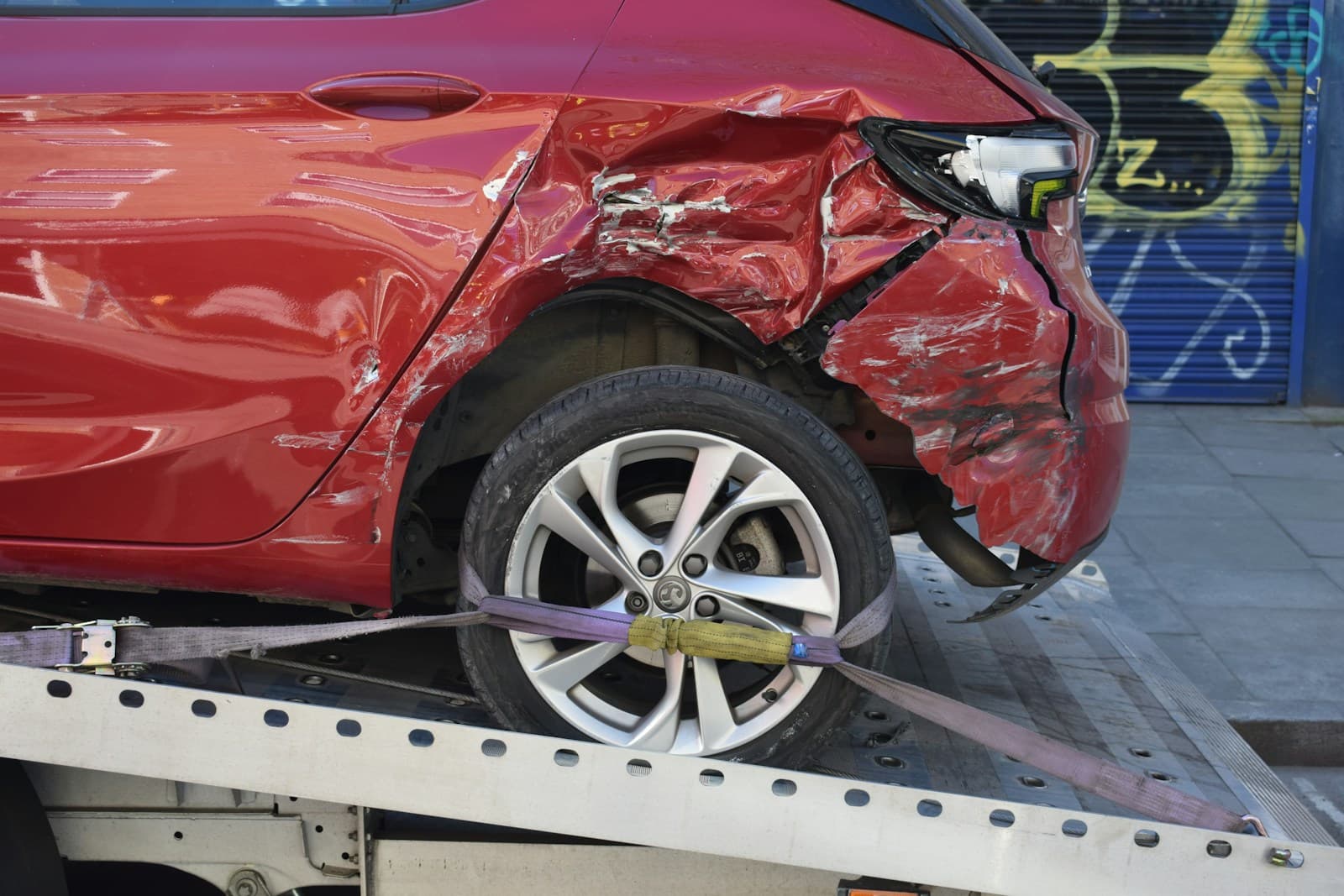
If you've received a ticket or violation after decades of clean driving, SafeAuto's non-standard market positioning means different coverage rules, higher base rates, and fewer mature driver discounts than you'd find with a standard carrier.
Why SafeAuto Targets Senior Drivers with Recent Violations
SafeAuto specializes in non-standard auto insurance, serving drivers who cannot secure coverage through standard carriers due to violations, accidents, or lapses in coverage. For senior drivers, this typically means a recent ticket after years of clean driving, an at-fault accident within the past three years, or a DUI/DWI conviction. The company's business model assumes higher risk and prices accordingly — base rates run 15–30% higher than standard market carriers like State Farm or Allstate, even before factoring in violation surcharges.
Most senior drivers end up quoted by SafeAuto after receiving a declination from their longtime carrier or facing a non-renewal notice following a violation. The critical question is whether your violation actually disqualifies you from standard market coverage. A single speeding ticket under 20 mph over the limit typically does not push a senior driver with an otherwise clean record into non-standard territory. Two violations within 18 months, one major violation like reckless driving, or an at-fault accident with injury claims generally do.
Before accepting a SafeAuto quote, request quotes from at least two standard carriers and one other non-standard carrier like The General or Bristol West. Senior drivers with a single minor violation often qualify for standard coverage with a violation surcharge that still costs less than SafeAuto's base non-standard rate. If you have Medicare and limited assets, the coverage you actually need may differ significantly from what SafeAuto's online quote tool recommends.
Coverage Minimums vs. Adequate Protection with a Violation History
SafeAuto built its reputation on state minimum liability coverage, advertising rates as low as $25–$40 per month in some states. For senior drivers with violations, those advertised rates typically rise to $60–$90 monthly for minimum coverage due to age-based rate factors and violation surcharges. State minimum liability in most states is 25/50/25 ($25,000 per person for bodily injury, $50,000 per accident, $25,000 for property damage), which creates substantial financial exposure if you cause an accident.
Senior drivers on fixed income face a specific risk calculation: if you cause an accident that injures someone seriously, minimum liability leaves you personally liable for damages beyond the policy limit. A moderate injury claim with medical bills, lost wages, and pain and suffering can easily exceed $100,000. If you own a home with equity, have retirement savings, or receive pension income beyond Social Security, those assets are at risk in a lawsuit. Increasing liability to 100/300/100 typically adds $30–$50 per month to a SafeAuto policy with violations, but protects assets you've spent decades building.
Collision and comprehensive coverage on a paid-off vehicle requires a different analysis. SafeAuto quotes full coverage at rates 40–60% higher than liability-only for senior drivers with violations. If your vehicle is worth less than $5,000 and you could replace it from savings without hardship, dropping collision and comprehensive and banking the premium difference makes financial sense. If your vehicle is your only transportation and you cannot absorb a $4,000–$6,000 replacement cost, keeping full coverage with a higher deductible ($1,000 instead of $500) reduces premium while maintaining protection.
Liability coverage limits matter more after a violation because your risk profile has changed in the insurer's view, even if the violation was your first in 40 years. Courts and juries do not reduce damage awards based on a clean prior record.
Compare rates from carriers that specialize in senior drivers
Mature driver discounts, low-mileage rates, and coverage reviews — see what you're actually eligible for.
Get Your Free Quote✓ Mature Driver Discounts✓ No Obligation✓ Licensed Carriers✓ All 50 States
State-Specific SafeAuto Availability and Senior Driver Programs
SafeAuto operates in 18 states, with availability concentrated in the Midwest and South. The company does not write policies in California, Massachusetts, New York, or Hawaii. Each state where SafeAuto operates has different minimum coverage requirements, violation surcharge schedules, and mature driver course discount rules that directly affect what you'll pay.
In Ohio, where SafeAuto is headquartered, the company must offer a mature driver course discount if the state recognizes the course. Ohio requires insurers to provide at least a 10% discount for drivers who complete an approved course, but SafeAuto's application of this discount varies based on your violation history. A senior driver with one speeding ticket may receive the full 10% discount after completing a course, while a driver with two violations in two years may see a reduced discount or none at all during the surcharge period.
Texas and Florida present different scenarios. Both states have high minimum coverage requirements compared to Midwest states, which increases base premiums. Florida requires personal injury protection (PIP) coverage, which duplicates some Medicare benefits but is mandatory regardless of age. SafeAuto's Florida PIP pricing for senior drivers with violations typically runs $40–$60 monthly for minimum PIP limits, on top of liability premiums. Texas does not mandate PIP but has higher liability minimums (30/60/25), pushing base monthly costs for senior drivers with violations into the $85–$120 range before any additional coverage.
State variation also affects how long violations impact your rate. Most states allow surcharges for three years from the violation date, but some states require the surcharge to drop after the violation falls off your motor vehicle record, which can happen in 18–24 months for minor violations. SafeAuto's surcharge schedule follows state regulations, but the company does not automatically re-rate your policy when a violation ages off — you must request a re-quote or renewal review.
For detailed state requirements and how violations affect senior driver rates in your specific location, see Ohio senior driver insurance options, Texas senior driver coverageTexas senior driver coverage, or Florida senior driver insurance requirements.
Medical Payments Coverage and Medicare Coordination After an Accident
Medical payments coverage (MedPay) pays medical bills for you and your passengers after an accident, regardless of fault, up to the policy limit. SafeAuto offers MedPay in $1,000, $2,500, and $5,000 increments, with monthly costs ranging from $5 to $18 depending on your state and violation history. For senior drivers on Medicare, MedPay creates a coordination of benefits question that most insurance agents do not explain clearly.
Medicare Part B covers accident-related medical treatment, but it is secondary to auto insurance in most states. This means if you have MedPay, it pays first, up to the limit, before Medicare pays anything. If your accident-related medical bills total $3,000 and you carry $2,500 in MedPay, SafeAuto pays $2,500 and Medicare Part B covers the remaining $500 after your Part B deductible. If you have no MedPay, Medicare Part B pays the entire amount after the deductible, and you may face 20% coinsurance on the Medicare-approved amount.
The financial case for MedPay depends on whether you have a Medicare Supplement (Medigap) plan. If you carry a Medigap Plan F or Plan G, those policies cover the Part B deductible and coinsurance, which means MedPay provides limited additional value — you're paying $5–$18 monthly for coverage that largely duplicates your Medigap policy. If you have Original Medicare without a supplement, or a Medicare Advantage plan with higher out-of-pocket costs, MedPay at $2,500 or $5,000 provides meaningful protection for the gap between accident costs and Medicare coverage.
Senior drivers with violations should evaluate medical payments coverage based on their specific Medicare setup, not as an automatic add-on. SafeAuto's quote tool defaults to including MedPay, which increases premium without always adding value for this age group.
When to Keep SafeAuto vs. When to Shop Alternatives
SafeAuto makes sense for senior drivers in specific situations: you have multiple violations or an at-fault accident that disqualifies you from standard carriers, you need coverage immediately to reinstate a license or avoid a lapse, or you've received quotes from three other non-standard carriers and SafeAuto's total cost is lowest. The company offers monthly payment plans without financing charges, which helps cash flow management on fixed income, and policies are issued quickly — often same-day if you apply online before 2 PM on a weekday.
SafeAuto does not make sense if you have only one minor violation and have not yet shopped standard carriers, if you own significant assets that need higher liability protection than SafeAuto's pricing makes affordable, or if you qualify for mature driver, low-mileage, or multi-policy discounts that SafeAuto does not offer as competitively as other insurers. The company's discount structure for senior drivers is limited — you may see a small reduction for paying in full or bundling policies, but mature driver course discounts are inconsistently applied and low-mileage programs are not available in most states where SafeAuto operates.
Every six months, re-shop your coverage. Non-standard carriers like SafeAuto often offer lower initial rates to acquire customers, then increase premiums at renewal by 8–15% annually, even with no new violations. Standard carriers typically provide more rate stability once you re-qualify. If your violation is two years old and you've had no additional incidents, request quotes from your previous carrier and at least two other standard market insurers. Many senior drivers pay SafeAuto rates for years after they could have returned to standard market coverage at lower cost.
For senior drivers navigating multiple violations or points accumulation, insurance for seniors with points on license provides state-specific guidance on how violation points affect rates and when records clear.
Practical Steps to Reduce SafeAuto Premiums with a Violation
If SafeAuto is your best current option, several tactics reduce premium over the next 12–24 months. First, complete a state-approved mature driver course within 30 days of policy inception. Courses cost $20–$35 online and take 4–6 hours. Submit the completion certificate to SafeAuto by email and follow up by phone to confirm the discount was applied — automated systems often fail to process certificates correctly, and you lose months of savings if you don't verify.
Second, increase your deductibles on collision and comprehensive if you carry those coverages. Moving from a $500 to a $1,000 deductible typically reduces premium by 10–15%, saving $8–$15 monthly. If you have $1,000 in accessible savings and can cover a deductible if needed, the premium savings compound over time. Set the monthly savings aside in a separate account designated for insurance deductibles or vehicle replacement.
Third, review your liability limits every six months as your violation ages. SafeAuto may offer better pricing on higher liability limits once your violation is 18–24 months old, even before it falls off your record entirely. Increasing from state minimum 25/50/25 to 50/100/50 may cost less at month 18 than it did at policy inception, while substantially improving your asset protection.
Fourth, avoid any additional violations or at-fault accidents during the three-year surcharge period. A second violation while the first is still surcharging your rate can double your premium or result in policy non-renewal. For senior drivers who received a speeding ticket in a construction zone or school zone, where fines and insurance surcharges are doubled, the financial impact of a second violation can push monthly premiums above $200 for minimum coverage.