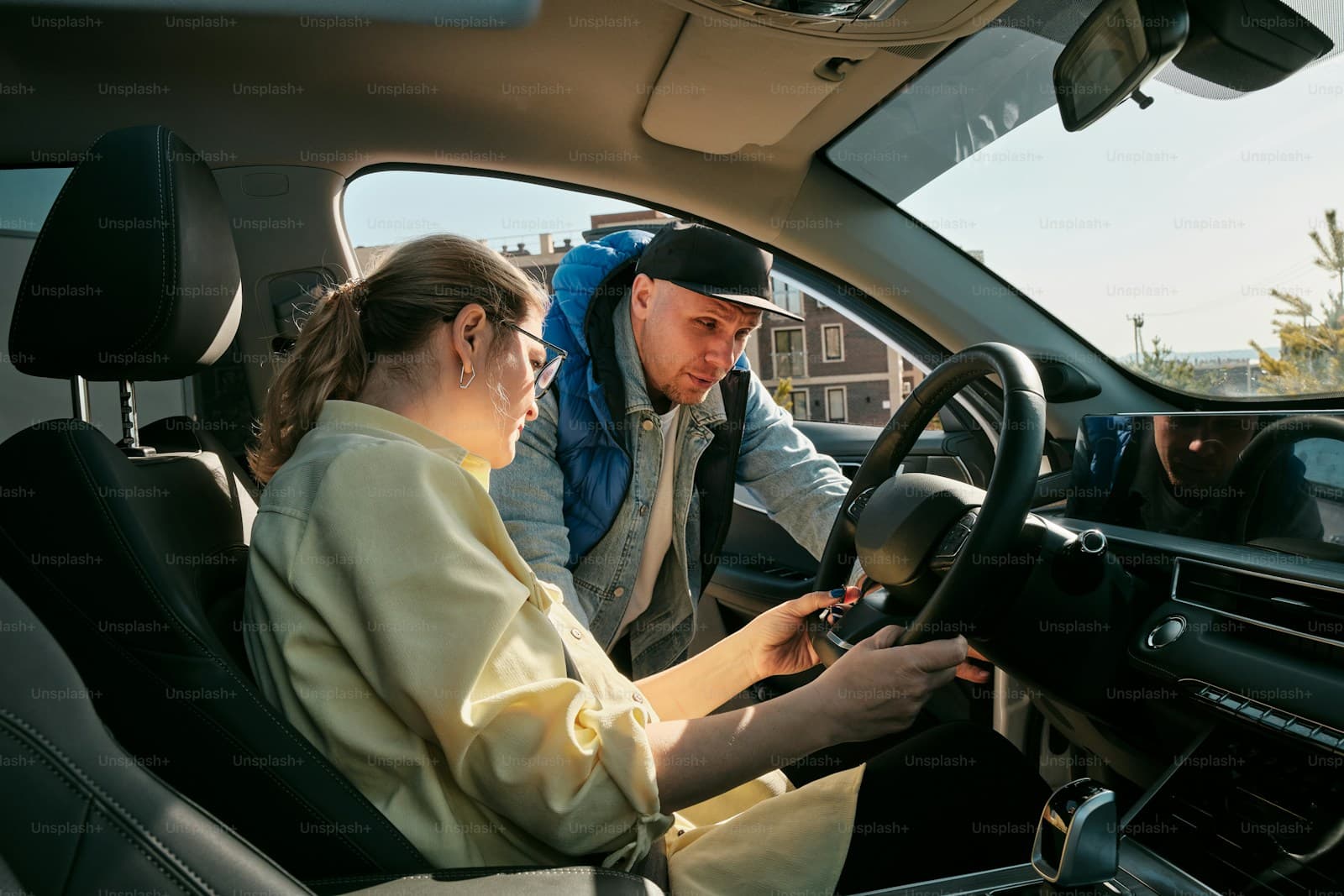
Most telematics programs advertise mileage tracking, but their algorithms often prioritize acceleration and braking over total miles driven — which means low-mileage seniors don't always see the discounts they expect.
Why Standard Telematics Programs Often Disappoint Low-Mileage Drivers
If you've retired, stopped commuting, and now drive 6,000 miles a year instead of 15,000, you'd expect a telematics device to recognize that reduced exposure and cut your premium accordingly. But most programs weight driving behavior — acceleration, braking, cornering, time of day — far more heavily than total mileage. A senior driver who brakes gradually to avoid jarring stops, or who taps the brakes when a car ahead slows unexpectedly, can register what the algorithm calls a "hard brake event" even though no actual risk occurred.
The result: drivers in their late 60s and 70s often report telematics discounts in the 5–8% range, well below the advertised "up to 30%" maximum, despite driving half the miles of younger policyholders. The algorithm isn't measuring your actual risk — it's measuring behaviors that correlate with risk in aggregate data dominated by younger drivers. Your decades of experience and conservative driving style don't translate into the metrics these programs prioritize.
This mismatch is why some carriers have begun offering mileage-primary telematics programs that flip the formula: miles driven account for 60–80% of your potential discount, with driving behavior playing a secondary role. For low-mileage seniors, these programs deliver materially different results. state-specific mature driver discount rules how medical payments coverage works whether full coverage still makes sense
Telematics Programs That Prioritize Total Mileage Over Driving Style
Nationwide's SmartMiles is the clearest example of a mileage-first model. You pay a low base rate plus a per-mile charge, typically 3–6 cents per mile depending on your state and coverage. If you drive 5,000 miles annually, you're charged for 5,000 miles — no subjective scoring of how you brake or accelerate. Seniors who've switched report savings of 30–40% compared to traditional policies when their annual mileage falls below 7,000 miles. The program uses a plug-in device that reports odometer readings; there's no GPS tracking or behavioral monitoring.
Metromile operates similarly in the states where it's available, with a base rate plus per-mile charges. The model works best for drivers whose mileage is genuinely low and consistent — if you take one long road trip, that month's charge will reflect it. Both programs are transparent: you can calculate your expected cost before enrolling, and there are no algorithm surprises.
Allstate's Milewise also uses a pay-per-mile structure, available in roughly a dozen states as of 2024. The per-mile rate varies by state but typically runs 4–7 cents. For a senior driving 6,000 miles per year, that translates to $240–$420 annually in mileage charges on top of the base premium, compared to a traditional policy that might assume 12,000 miles. The difference can exceed $400 per year for drivers in higher-rate states.
Compare rates from carriers that specialize in senior drivers
Mature driver discounts, low-mileage rates, and coverage reviews — see what you're actually eligible for.
Get Your Free Quote✓ Mature Driver Discounts✓ No Obligation✓ Licensed Carriers✓ All 50 States
Which Behavior-Based Programs Are Least Punitive for Senior Drivers
If mileage-primary programs aren't available in your state or your carrier doesn't offer them, some behavior-based telematics programs are more forgiving than others. State Farm's Drive Safe & Save in most states weights mileage at roughly 40–50% of the total discount calculation, with the remainder based on time of day, speed, and braking. Seniors who drive primarily during daylight hours and avoid rush hour score well on the time-of-day component, which offsets any behavioral demerits.
Liberty Mutual's RightTrack program includes mileage as a meaningful factor, though the company doesn't publish exact weightings. Anecdotal reports from senior drivers suggest discounts in the 10–15% range are common for those driving under 8,000 miles annually, even if the program flags occasional hard braking. The program runs for 90 days, then locks in your discount — there's no ongoing monitoring or risk of your rate increasing if your driving changes.
Progressive's Snapshot is the most behavior-focused of the major programs and often the least favorable for seniors. Hard braking is weighted heavily, and the algorithm has no mechanism to distinguish between a panic stop to avoid a collision and a firm but controlled stop at a yellow light. Seniors frequently report discounts below 5%, even with low annual mileage. If Snapshot is your only telematics option, consider whether the monitoring period and potential savings justify the enrollment, or whether a mature driver course discount and a straightforward low-mileage declaration offer better value.
How Low-Mileage Discounts Without Telematics Compare
Many carriers offer low-mileage discounts that require nothing more than an annual declaration of estimated miles — no device, no tracking, no algorithm. These discounts typically range from 5–15% if your annual mileage falls below a carrier-specific threshold, often 7,500 or 10,000 miles. You're trusting the insurer to take you at your word, and they're trusting you to report honestly.
For seniors who value privacy and simplicity, this is often the better path. Geico, USAA (for eligible members), and Travelers all offer declared-mileage discounts. The savings are modest compared to the best telematics outcomes, but there's no monitoring period, no risk of a lower-than-expected score, and no device to install. You estimate your annual mileage at renewal, and the discount applies immediately.
Combining a low-mileage discount with a mature driver course discount — typically 5–10% in states that mandate it, and often renewable every three years — can produce total savings in the 15–20% range without any telematics involvement. If your primary goal is reducing premium cost and you're confident in your low annual mileage, this combination is straightforward and predictable.
What to Ask Before Enrolling in a Telematics Program
Before you agree to plug in a device or download an app, ask your agent or carrier representative how mileage is weighted in the discount calculation. If they can't or won't give you a straight answer, that's a signal the program is behavior-primary. Ask what the average discount is for drivers in your age group with mileage under 7,000 miles per year — not the maximum possible discount, but the actual average. The difference between "up to 30%" and "most seniors see 6–8%" is the information you need.
Ask whether the monitoring is time-limited or ongoing. Programs that monitor for 90–180 days and then lock in a discount are less intrusive than those that continue tracking indefinitely. Ask whether your rate can increase based on telematics data, or whether the program only offers potential discounts. Some carriers reserve the right to raise rates if the data suggests higher risk; others guarantee your rate won't go up, only down.
Finally, confirm whether the program uses GPS to track location or only monitors mileage and driving events. If privacy is a concern, mileage-only devices like those used by Nationwide and Metromile are less invasive than full behavioral monitoring with location tracking.
State-Specific Telematics Availability and How It Affects Your Options
Not all telematics programs are available in all states. Mileage-based programs like SmartMiles and Milewise have limited state availability due to regulatory approval processes — each state's Department of Insurance must approve the rating structure. As of 2024, SmartMiles operates in roughly a dozen states, with availability strongest in the Midwest and West. Milewise has similar geographic limits. If you're in a state where these programs aren't offered, your options narrow to behavior-based telematics or declared-mileage discounts.
Some states mandate that insurers offer specific discounts to seniors who complete approved mature driver courses, and these requirements vary significantly. California, for example, doesn't require telematics availability but does mandate mature driver discounts for completion of a state-approved course. In states with strong mandated discount programs, the combination of a course discount and a declared low-mileage discount often rivals or exceeds what telematics would deliver, without the monitoring.
If you're considering a move or splitting time between two states, telematics availability and mature driver discount rules in each state should factor into your insurance planning. A senior who winters in Florida and summers in Michigan, for instance, faces different program availability and discount structures depending on which state they claim as their primary residence for insurance purposes.