You've been paying full coverage on a vehicle you own outright for years — but after age 65, the annual cost of collision coverage can exceed what you'd recover after the deductible on a paid-off car.
The 20% Rule: When Collision Coverage Costs More Than It Protects
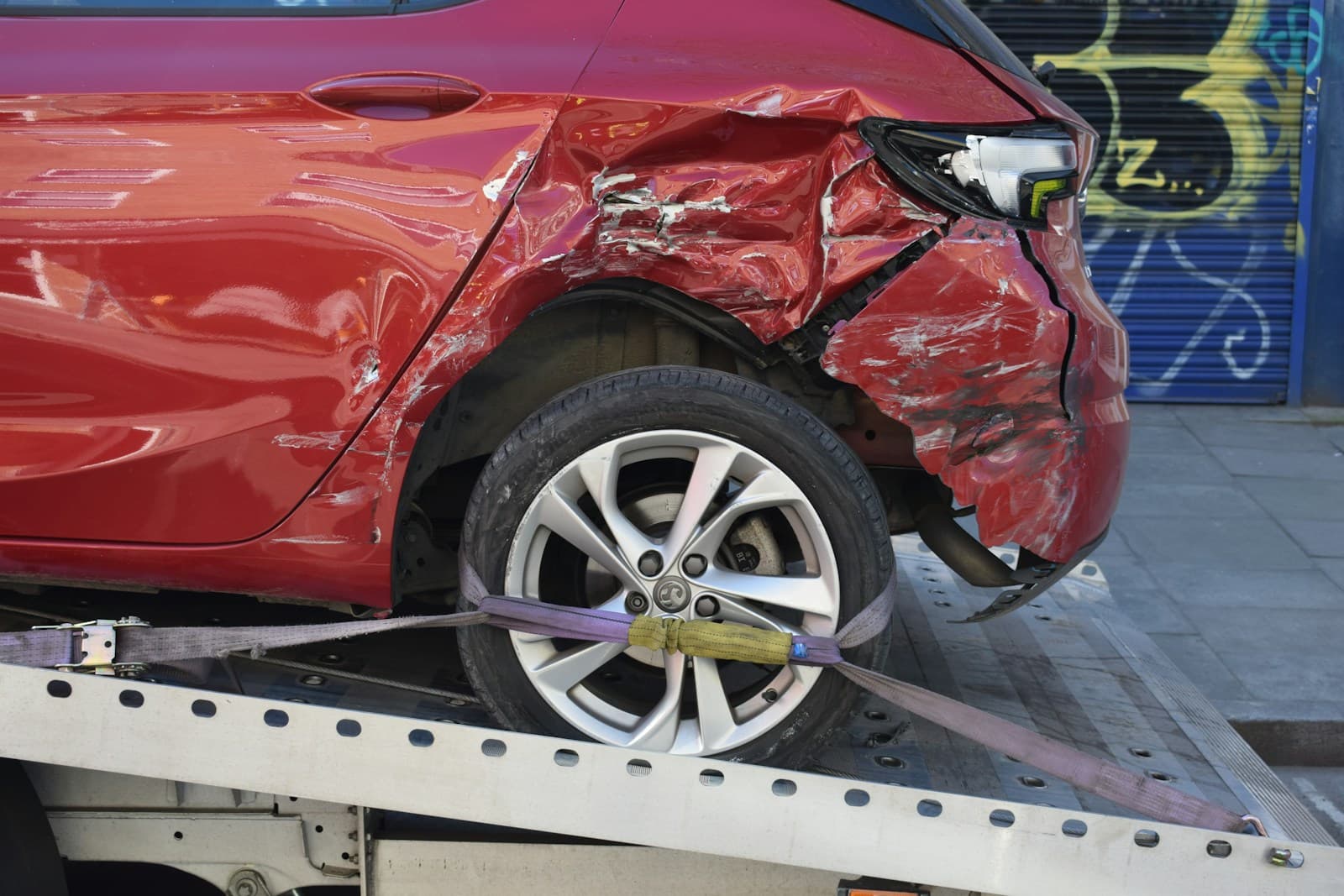
The standard advice — drop collision when your car is worth less than ten times your annual premium — doesn't account for deductibles or the financial reality of retirement income. A more precise threshold: if your annual collision premium plus your deductible exceeds 20–25% of your vehicle's actual cash value, you're likely overpaying for protection. For a 2015 sedan worth $8,000 with a $500 deductible and $400/year collision premium, you're paying $900 to protect an asset that might net you $7,500 after the deductible in a total loss claim.
This math becomes especially relevant for senior drivers on fixed incomes. Between ages 65 and 75, collision premiums typically increase 8–15% even with no claims, according to Insurance Information Institute rate analysis. Meanwhile, your vehicle depreciates 10–20% annually in its middle years. The gap between what you pay and what you can recover narrows every renewal cycle.
Most carriers won't volunteer this calculation at renewal. They'll continue charging collision premiums on a 10-year-old paid-off vehicle as long as you'll pay them. The decision falls to you, and the right answer depends on three specific numbers: your vehicle's current actual cash value, your collision deductible, and your annual collision premium.
State-Specific Factors That Change the Collision Decision
Your state determines not just whether collision makes sense, but when to make the switch. In Michigan, collision coverage can run 40–60% higher than the national average due to the state's unique no-fault system, making the threshold calculation more urgent for senior drivers. In California, collision premiums for drivers over 70 increased an average of 12% between 2022 and 2024, even for those with clean records, according to California Department of Insurance rate filings.
Some states mandate specific discounts that lower collision costs enough to keep coverage viable longer. Massachusetts requires carriers to offer mature driver course discounts of 5–10% on collision premiums for drivers who complete approved programs. Florida offers similar mandated discounts, typically in the 10–15% range for drivers 55 and older who complete a state-approved defensive driving course. These discounts apply directly to collision coverage, not just liability.
Weather risk also matters. If you live in Colorado or Oklahoma — states with high hail damage frequency — collision coverage on even a modest-value vehicle may be worth retaining longer than in states with lower comprehensive claim rates. Hail can total a $6,000 vehicle in a single afternoon, and comprehensive coverage alone won't protect you in an at-fault accident. The geography of risk changes the math.
Compare rates from carriers that specialize in senior drivers
Mature driver discounts, low-mileage rates, and coverage reviews — see what you're actually eligible for.
Get Your Free Quote✓ Mature Driver Discounts✓ No Obligation✓ Licensed Carriers✓ All 50 States
What Happens to Your Total Premium When You Drop Collision
Collision typically represents 30–45% of a full coverage premium for senior drivers with clean records. On a policy costing $1,200/year, dropping collision might reduce your annual cost to $700–850, depending on your comprehensive and liability limits. That's $350–500 annually that remains in your budget rather than protecting a depreciating asset.
The savings compound when you redirect them. Setting aside $40/month in a dedicated savings account creates a $480 emergency fund in one year — enough to cover most minor repairs or a down payment on a replacement vehicle if your current car is totaled. After three years without a collision claim, you've banked $1,440, approaching the actual cash value of many 10-to-12-year-old vehicles senior drivers own outright.
You'll still maintain comprehensive coverage in most cases, protecting against theft, vandalism, fire, and weather damage. You'll still carry liability coverage at levels that protect your retirement assets from lawsuit judgments. What you're eliminating is the most expensive component of coverage on the least valuable asset in the policy equation. The risk shifts from the insurance company to you, but you're also keeping the premium.
When to Keep Collision Coverage Despite the Cost
Some situations justify retaining collision regardless of the percentage calculation. If you cannot afford to replace your vehicle out-of-pocket and have no access to credit, collision coverage functions as financial protection against forced isolation. For senior drivers in rural areas with limited public transit, losing a vehicle means losing access to medical care, groceries, and social connection. The $400 annual premium may be worth the certainty.
If you're still making payments on a vehicle, your lender requires collision coverage until the loan is satisfied. This is non-negotiable. Even if the vehicle's value has dropped below the loan balance, the lender's security interest mandates continuous coverage. Senior drivers who financed a vehicle purchase in their late 60s or early 70s may still be years from payoff.
Drivers with recent at-fault claims face another calculation. Collision coverage doesn't just pay for damage you cause to your own vehicle — it removes the financial exposure of a second at-fault accident within a three-to-five-year window. If you caused an accident in the past 36 months, retaining collision coverage for another two years provides a buffer during the highest-risk period for premium surcharges and potential non-renewal. Once that window closes and your record clears, revisit the decision with current numbers.
How to Calculate Your Vehicle's Actual Cash Value Before Deciding
Your vehicle's actual cash value is not what you could sell it for privately — it's what an insurance company will pay you after a total loss, which is typically 10–20% lower. Use three data points: the Kelley Blue Book instant cash offer value, the NADA clean trade-in value, and recent sold listings for your exact year, make, model, and mileage on Autotrader or CarGurus. Average the three. That's your realistic settlement expectation.
Deduct your collision deductible from that average. If you have a $1,000 deductible and your vehicle's actual cash value is $7,000, your maximum net recovery is $6,000. Now calculate your annual collision premium. If it's $450 and your deductible is $1,000, you're paying $1,450 to protect a $6,000 net recovery. That's 24% of the value — right at the threshold where collision stops making financial sense.
Run this calculation every year at renewal. Actual cash value changes faster than you think, especially for vehicles between 8 and 15 years old. A vehicle worth $9,000 last year might be worth $7,500 this year, even with normal mileage and no damage. Meanwhile, your collision premium likely increased 5–10%. The math that justified coverage 12 months ago may no longer hold.
What to Do With the Money You Save by Dropping Collision
The most conservative strategy: deposit the monthly savings into a separate savings account earmarked for vehicle replacement or major repairs. If you're saving $45/month by dropping collision, that's $540/year or $2,700 over five years. For many senior drivers, that's sufficient to replace a modest paid-off vehicle or cover a transmission replacement without touching retirement accounts.
Some drivers redirect the savings toward higher liability limits. If you've been carrying 50/100/50 liability limits and drop collision, consider increasing to 100/300/100 or adding a $1 million umbrella policy. Your home equity and retirement savings are more valuable than your 2014 sedan, and liability coverage protects those assets from lawsuit judgments. The premium difference between minimum liability and robust protection is often less than the cost of collision coverage on an older vehicle.
Another option: reinvest the savings into Medicare Supplement premiums or long-term care insurance. A $400 annual collision premium redirected toward health coverage can fill gaps that become critical after age 70. This isn't an insurance decision — it's a financial planning decision about where limited retirement dollars provide the most protection.
How Dropping Collision Affects Your Other Coverage
Removing collision coverage does not reduce your liability limits, your comprehensive coverage, or your uninsured motorist protection. You're still fully covered if someone else hits you and is at fault — their liability insurance pays for your vehicle damage. You're still covered if your car is stolen, hit by hail, or damaged by fire. What you're removing is the guarantee that your own insurance will pay for damage you cause to your own vehicle in an at-fault accident.
Some carriers offer a "stated amount" or "agreed value" endorsement on older vehicles that can replace traditional collision coverage at lower cost. Instead of actual cash value minus depreciation, you and the carrier agree on a fixed payout amount in advance. This works well for well-maintained vehicles with sentimental value or classic cars with stable market values. Availability varies by state and carrier, but it's worth asking about if you're borderline on the collision decision.
If you drop collision and later want to reinstate it, most carriers will require a vehicle inspection and may limit coverage for pre-existing damage. You can't drop collision, have an at-fault accident, and then add it back to file a claim. The decision to drop coverage should be considered semi-permanent — reversible, but not without friction.