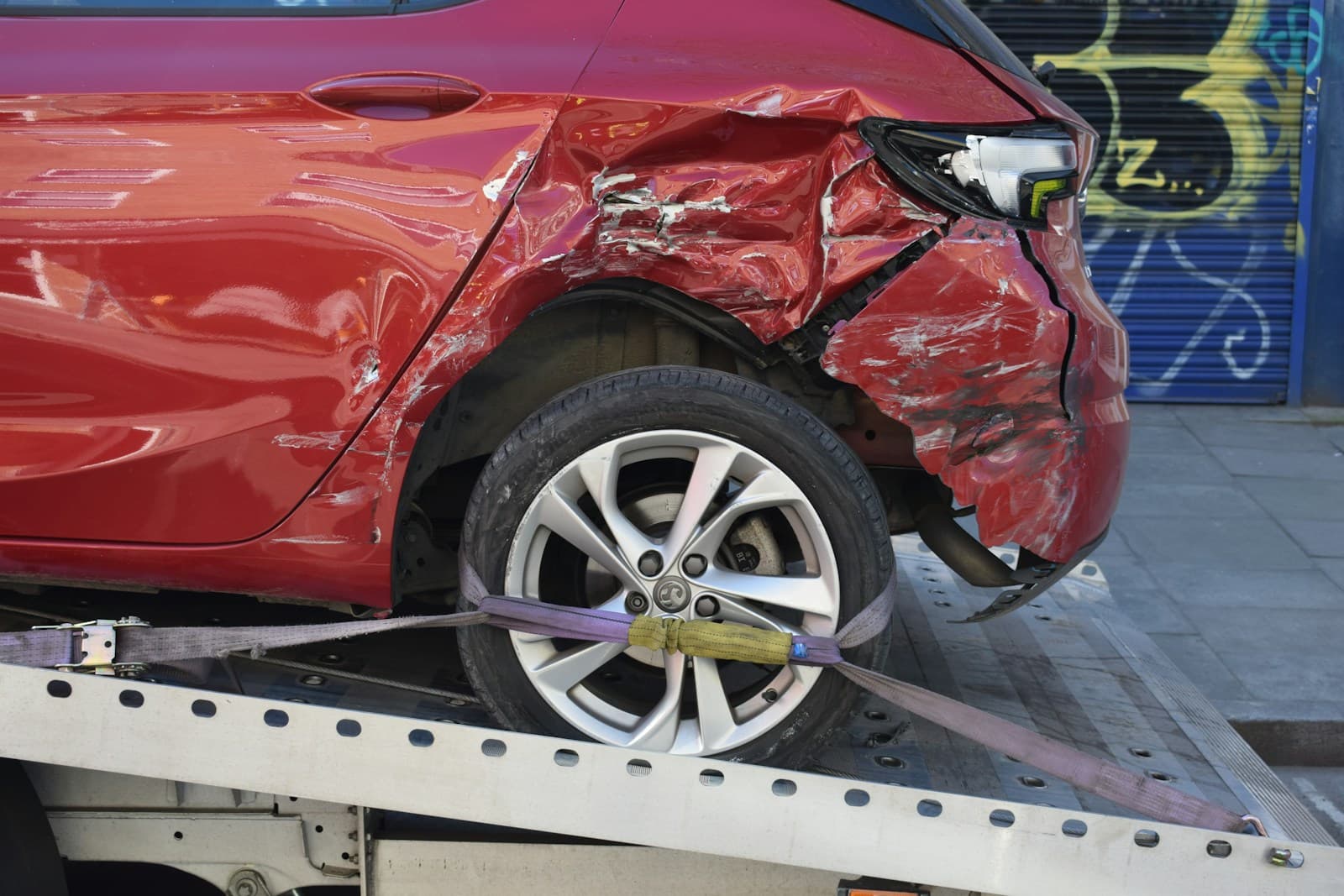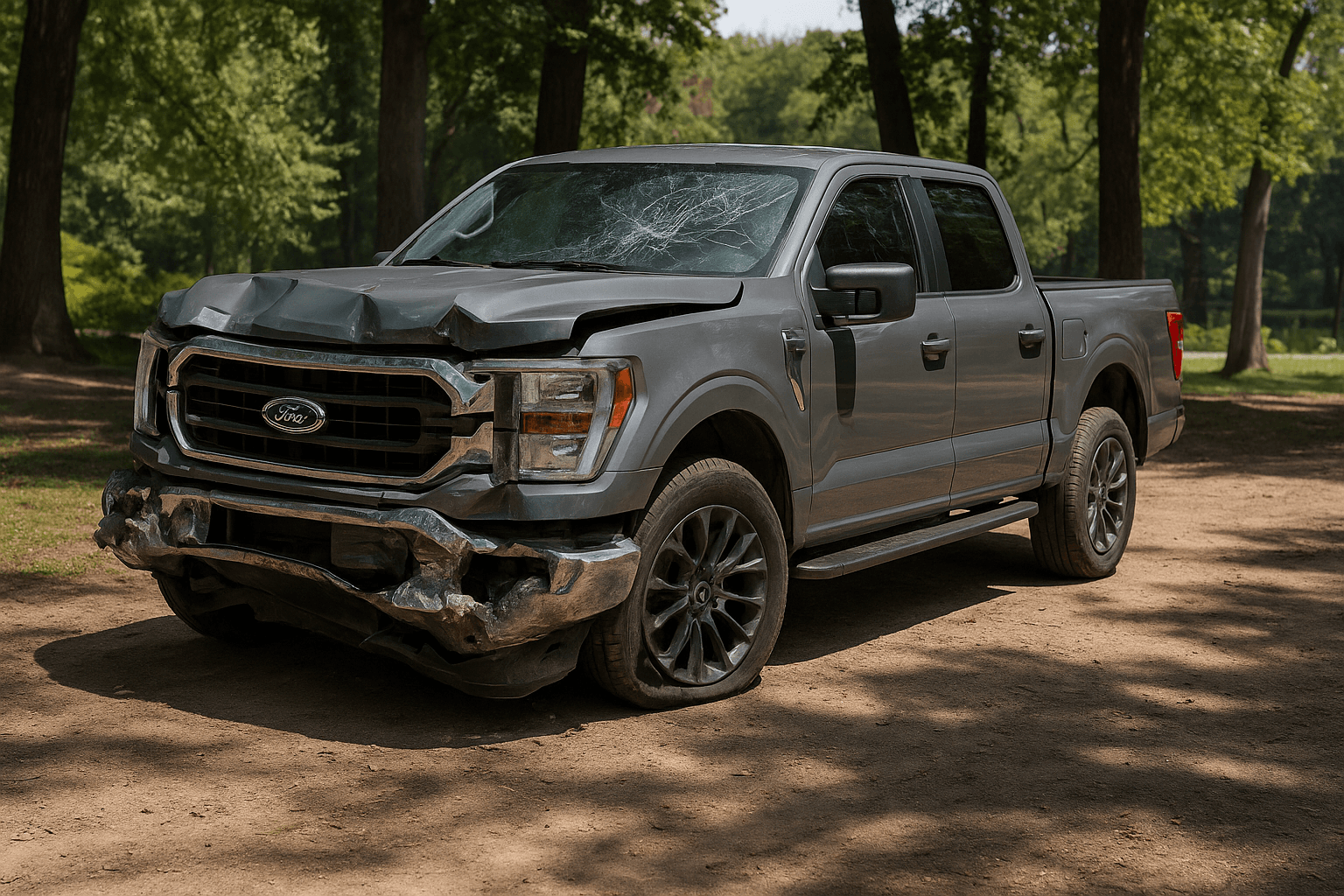
Your car is paid off, you're driving less, and collision coverage costs $600+ a year. Here's the actual calculation that determines whether you're wasting money or making a prudent choice.
The 10% Rule Nobody Explains Correctly
You've likely heard the guideline: drop collision coverage when your annual premium exceeds 10% of your vehicle's current value. That's not wrong, but it's incomplete for drivers over 65 facing specific financial realities. The real threshold is more nuanced: when your combined collision and comprehensive premium exceeds 10% of your car's actual cash value, and you have sufficient liquid savings to absorb a total loss without disrupting your financial stability.
Here's what that looks like in practice. A 2015 Honda Accord worth $8,500 today with collision coverage costing $480/year and comprehensive at $180/year totals $660 annually — about 7.8% of the vehicle's value. That appears to pass the 10% test. But if you've filed zero collision claims in 30 years and have $15,000 in accessible emergency savings, you're effectively pre-paying for a loss that statistically may never occur. Over five years, you'll spend $3,300 in premiums while the vehicle depreciates to roughly $5,000.
The calculation shifts dramatically if you lack emergency savings or if your vehicle represents essential medical transportation in a rural area where replacement costs and timelines matter more than book value. The 10% rule is a starting point for the math, not a verdict on your specific situation.
How Collision Costs Change After 65 in Your State
Collision coverage pricing for senior drivers varies significantly by state due to different age-rating restrictions and loss patterns. In states like Hawaii and Massachusetts, which limit age-based pricing, your collision premium may remain relatively stable through your 60s and early 70s. In contrast, states without age-rating restrictions often see collision premiums increase 15-25% between ages 65 and 75, even with no claims history.
California offers a useful case study. Under Proposition 103, insurers cannot use age as a primary rating factor, but they can apply it as a secondary factor after driving record, annual mileage, and years of experience. A 68-year-old Los Angeles driver with a clean record and 8,000 annual miles typically pays $420-580/year for collision coverage on a vehicle worth $10,000, compared to $380-520 at age 55 for the same profile. The increase reflects actuarial data showing higher claim frequency after 70, but it's modest compared to states with unrestricted age rating.
Florida and Texas demonstrate the opposite pattern. Without age-rating limitations, carriers in these states often increase collision premiums by 20-30% for drivers aged 70-75, and by 40-50% after age 80. A San Antonio driver with a 2016 Toyota Camry worth $12,000 might pay $640/year for collision at age 66, rising to $850/year by age 74 with identical coverage and no claims. At that point, the annual premium represents 7.1% of vehicle value — still under the 10% threshold, but climbing toward it as the vehicle depreciates and premiums rise simultaneously. California's Proposition 103 age-rating restrictions
Compare rates from carriers that specialize in senior drivers
Mature driver discounts, low-mileage rates, and coverage reviews — see what you're actually eligible for.
Get Your Free Quote✓ Mature Driver Discounts✓ No Obligation✓ Licensed Carriers✓ All 50 States
When Collision Makes Sense Despite the Numbers
There are scenarios where keeping collision coverage remains financially sound even when the 10% threshold suggests otherwise. If you live in a high-deer-collision area or a region with frequent hailstorms, and your comprehensive premium is low relative to collision, dropping only collision while retaining comprehensive can reduce costs by 60-70% while preserving protection against the likeliest risks. Pennsylvania, Michigan, and Wisconsin drivers face deer-collision rates 3-5 times the national average, making comprehensive coverage disproportionately valuable.
Lease or loan obligations provide another clear answer: you cannot drop collision coverage while financing remains active. However, many drivers over 65 carry paid-off vehicles, eliminating this constraint. If you've recently paid off a vehicle and your lender-required coverage is no longer mandated, recalculating your actual need becomes immediately relevant.
Medical necessity creates a third scenario. If your vehicle is your sole means of accessing dialysis, chemotherapy, or other non-negotiable medical appointments, and you lack alternative transportation or the financial cushion to replace the vehicle within 48 hours, collision coverage functions as healthcare infrastructure, not automotive insurance. In this case, the premium cost should be measured against the consequence of sudden immobility, not merely the vehicle's depreciated value. Rural drivers in particular face limited public transit and longer replacement timelines that urban calculators don't account for.
The Deductible Strategy Most Seniors Miss
Before dropping collision entirely, raising your deductible from $500 to $1,000 or $1,500 can reduce your collision premium by 30-45% while maintaining catastrophic protection. For a 67-year-old Ohio driver paying $520/year for collision with a $500 deductible, increasing to a $1,500 deductible typically reduces the premium to $310-340/year — a savings of $180-210 annually.
This strategy works best when you can comfortably afford the higher out-of-pocket cost in the event of a claim. If you have $8,000-12,000 in accessible savings and a strong preference for retaining some collision protection, a high-deductible policy bridges the gap between full coverage and none. You're effectively self-insuring the first $1,500 of damage while preserving protection against total loss or severe damage exceeding $5,000.
The break-even timeline is straightforward: if the annual premium savings equal your deductible increase within 5-7 years, and you file no claims during that period, you come out ahead. For the Ohio example above, the $1,000 deductible increase pays for itself in roughly 5.5 years of premium savings. If your vehicle is worth $9,000 today and you plan to drive it another 6-8 years, the math favors the higher deductible — you'll likely recover the increased deductible through reduced premiums before the vehicle reaches end-of-life.
What Happens to Your Rate When You Drop Collision
Removing collision coverage typically reduces your total premium by 35-50%, depending on your vehicle's value, your state, and your driving profile. A 70-year-old Dallas driver paying $1,340/year for full coverage on a 2014 Ford F-150 might see their annual cost drop to $680-750 when removing collision and retaining only liability, comprehensive, and any medical payments coverage. The collision portion alone often represents $580-660 of the original premium.
That savings can be redirected toward other financial priorities, but dropping collision does not improve your rate on remaining coverages. Some drivers mistakenly believe that eliminating collision signals lower risk and reduces liability costs — it does not. Your liability premium is calculated based on your likelihood of causing injury or property damage to others, independent of whether you insure your own vehicle against collision.
One underappreciated consequence: if you drop collision and later want to reinstate it, insurers may require a vehicle inspection to verify current condition, and your premium may be re-rated based on your current age and the vehicle's older model year. A 65-year-old who drops collision on a 2018 vehicle and reinstates it at age 72 on what is now a 2018 model will face both age-based and vehicle-age-based pricing increases, making reinstatement 20-35% more expensive than simply continuing the original coverage.
State-Specific Programs That Change the Calculation
Several states offer mature driver course discounts that directly reduce collision premiums by 5-15%, shifting the cost-benefit analysis. In New York, drivers over 55 who complete an approved accident prevention course receive a mandatory 10% discount on liability and collision premiums for three years. For a Buffalo driver paying $640/year for collision, that's $64 in annual savings — often enough to tip a borderline decision toward retaining coverage.
Illinois mandates discounts for drivers 55+ who complete a mature driver course, with savings ranging from 5-10% depending on the insurer. A Chicago driver paying $720/year for collision can reduce that to $648-684 through a one-day course, many of which are available online for $20-35. The course cost is recovered in the first year, and the discount renews with periodic recertification, typically every three years.
Florida takes a different approach: insurers must offer the mature driver discount, but the percentage varies by company. Some Florida carriers provide 5% discounts, others offer up to 15%, creating significant variance. A 69-year-old Miami driver paying $780/year for collision might save $39/year with one insurer's 5% discount or $117/year with another's 15% discount. This makes comparison shopping particularly valuable for Florida seniors before deciding whether to drop collision — the discount alone can make retention cost-effective for several additional years. Florida mature driver course discount requirements
Medicare, Medical Payments, and the Collision Decision
Once you're enrolled in Medicare, the interaction between auto insurance medical payments coverage and your health insurance changes how you should think about collision costs. Medical payments coverage (MedPay) on your auto policy pays for injury-related expenses regardless of fault, and it coordinates with Medicare — typically paying first before Medicare processes remaining costs.
If you drop collision coverage but retain a vehicle, keeping $5,000-10,000 in MedPay becomes more important, not less. In a collision where your vehicle is totaled and you're injured, Medicare will cover your medical costs after MedPay is exhausted, but Medicare will not replace your vehicle. The MedPay premium is modest — usually $40-80/year for $5,000 in coverage — and it ensures out-of-pocket medical costs are minimized even when collision coverage is absent.
Some senior drivers mistakenly drop both collision and MedPay simultaneously, assuming Medicare makes auto medical coverage redundant. That's incorrect. MedPay covers ambulance, emergency room, and immediate treatment costs without the deductibles or co-pays Medicare requires, and it pays regardless of who caused the accident. In states with no-fault insurance requirements, personal injury protection (PIP) serves a similar function and often cannot be dropped even when collision is removed. Understanding which medical coverage is mandatory in your state prevents gaps that Medicare won't fill.