
What Affects Rates in Newark
- If you've reduced driving since retirement and now rely on NJ Transit for trips to New York or regional travel, low-mileage programs from carriers like Metromile or Nationwide SmartMiles can cut premiums by 30–40% for drivers logging under 7,500 annual miles. Many Newark seniors maintain a vehicle primarily for medical appointments and shopping rather than daily commuting, making usage-based insurance particularly cost-effective in this market.
- The I-280 corridor through Newark and the Route 21/McCarter Highway interchange see heavy congestion during weekday peak hours, with elevated rear-end collision rates that affect all drivers but particularly impact premiums for those in 07104, 07105, and 07114 zip codes. Senior drivers who avoid rush-hour travel and primarily drive mid-day or weekends may qualify for telematics discounts that reward off-peak driving patterns.
- Comprehensive coverage costs vary dramatically across Newark: Forest Hill and Vailsburg residents often see 20–30% lower theft and vandalism claims than drivers garaged near downtown or along the Route 1 & 9 corridor. If you own a paid-off vehicle worth under $4,000, dropping comprehensive in higher-theft zip codes (07102, 07103) may save $40–$70 monthly, though this requires weighing your vehicle replacement capacity on fixed income.
- University Hospital's Level I trauma center and multiple RWJ Barnabas facilities throughout Newark mean emergency response times are strong, but New Jersey's Personal Injury Protection (PIP) coverage—required at $15,000 minimum—overlaps with Medicare for seniors. You can often reduce PIP to the state minimum since Medicare covers most accident-related medical expenses, saving $15–$25 monthly without meaningfully reducing protection.
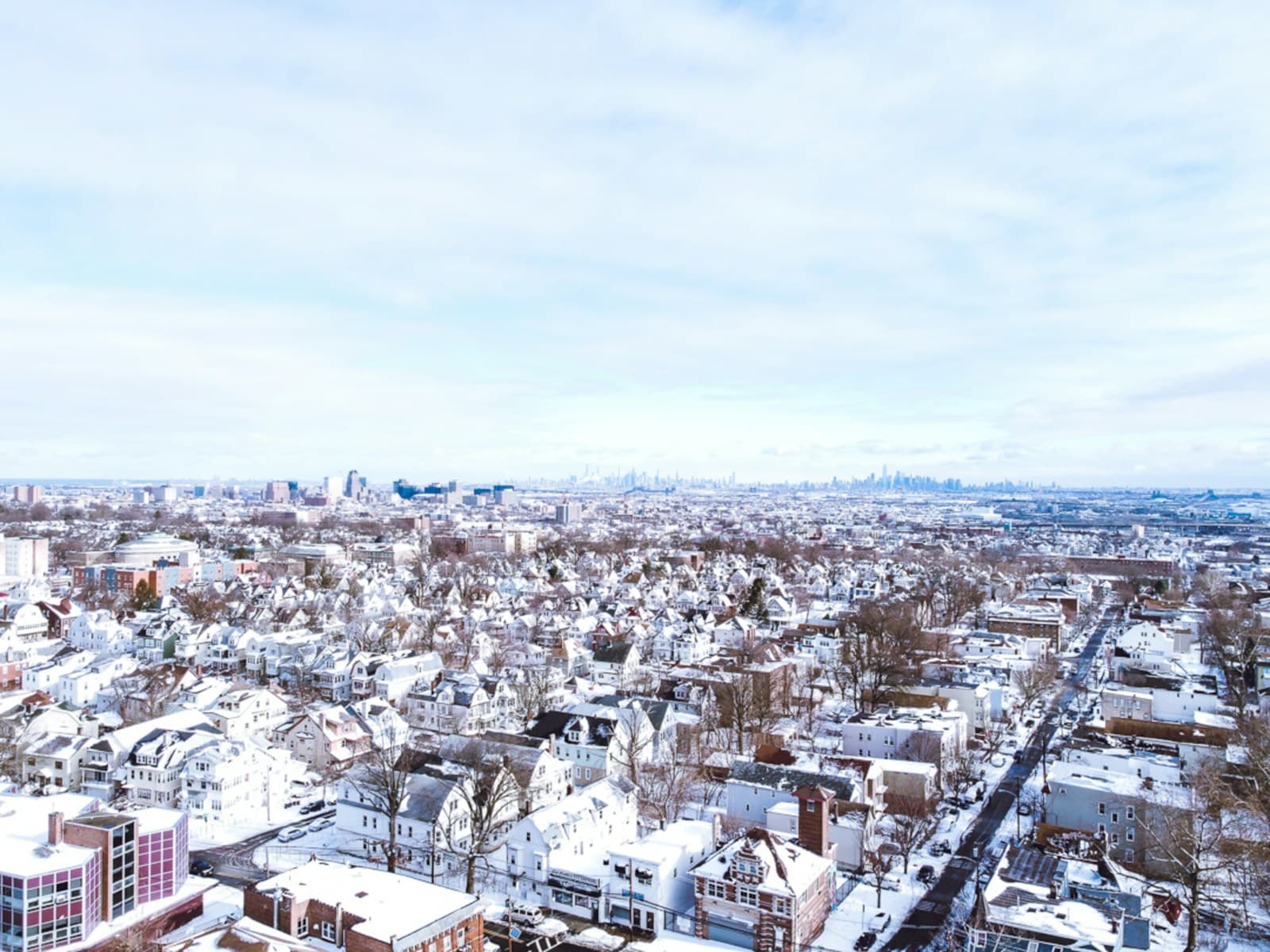
- Newark's winter snow and ice conditions, combined with aging infrastructure on secondary streets in the North Ward and West Ward, create seasonal collision risk that insurers factor into annual premiums. Senior drivers who reduce winter driving or avoid unplowed side streets during storms may benefit from telematics programs that track actual driving conditions and reward safer seasonal patterns.
Compare rates from carriers that specialize in senior drivers
Mature driver discounts, low-mileage rates, and coverage reviews — see what you're actually eligible for.
Get Your Free QuoteCoverage Recommendations
Cost estimates are based on available industry data and vary by driver profile. These are not insurance quotes.
Liability Insurance
Newark's congested intersections near Penn Station and the Ironbound create elevated rear-end collision risk where at-fault liability claims are common.
$85–$140/month for 100/300/100Estimated range only. Not a quote.
Uninsured Motorist Coverage
Newark's uninsured motorist rate runs approximately 12–15%, well above suburban New Jersey counties, making this coverage particularly valuable on Routes 1 & 9 and downtown corridors.
$25–$45/month for 100/300Estimated range only. Not a quote.
Comprehensive Coverage
Theft rates in Newark zip codes 07102, 07103, and 07105 drive comprehensive costs 30–40% higher than suburban areas; consider dropping if your vehicle is worth under $4,000 and you can self-insure replacement.
$40–$85/month depending on zipEstimated range only. Not a quote.
Collision Coverage
Given Newark's congested traffic patterns on I-280 and McCarter Highway, collision claims are frequent, but if you drive a paid-off vehicle worth under $5,000, the premium may exceed the realistic payout after deductible.
$50–$95/month with $500 deductibleEstimated range only. Not a quote.
Personal Injury Protection (PIP)
Since University Hospital and RWJ Barnabas accept Medicare and Newark has strong emergency medical infrastructure, reducing PIP from standard $150,000 to the $15,000 minimum saves $20–$30 monthly without meaningful coverage loss for Medicare enrollees.
$30–$75/month depending on limitEstimated range only. Not a quote.