Oregon Auto Insurance for Drivers 65 and Older

Oregon requires 25/50/20 minimum liability, but drivers 65 and older typically pay $115–$185/month for full coverage. Mature driver course discounts of 5–15% are offered by most carriers but not mandated by state law, and drivers who've reduced mileage in retirement may qualify for additional low-mileage programs.

Compare Oregon Auto Insurance

Non-Standard Auto · SR-22 · Senior · Teen Drivers

Two police officers in reflective vests at car accident scene with damaged vehicle on grass near roadway
Quotes from state-licensed insurance professionals
Licensed Agents Only
Free to request, no commitment required
No Obligation
No cost to you
Free to Use
Your contact information is protected
TCPA-Compliant
Updated May 2026

State Requirements

Oregon operates as an at-fault state and requires 25/50/20 minimum liability coverage—$25,000 per person for bodily injury, $50,000 per accident, and $20,000 for property damage. Personal injury protection (PIP) of $15,000 is also mandatory, covering medical expenses regardless of fault, which can supplement Medicare for drivers 65 and older. While Oregon law does not mandate mature driver course discounts, the Oregon Department of Transportation partners with AARP and other organizations to offer defensive driving courses that most major carriers recognize for voluntary discounts of 5–15%.
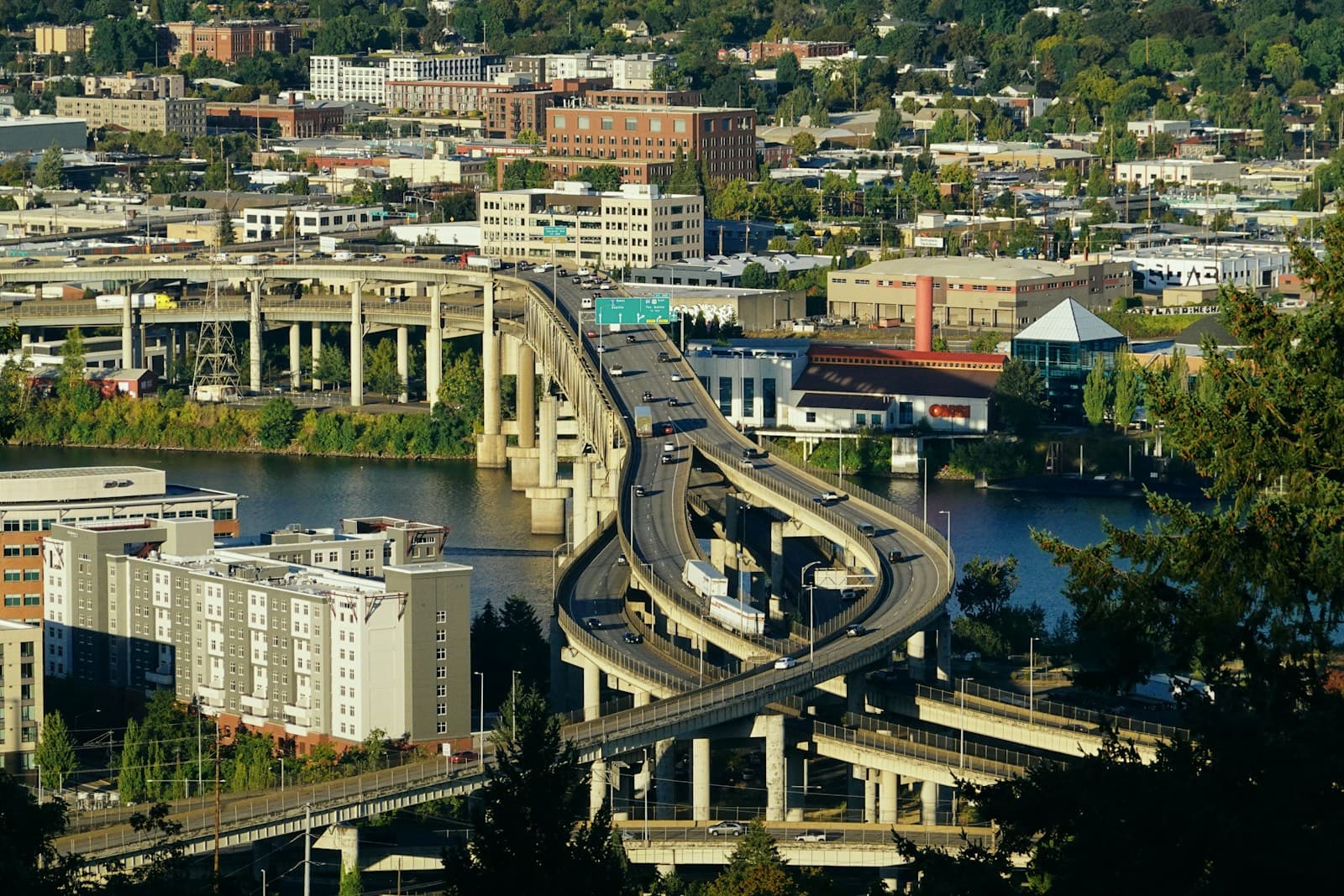
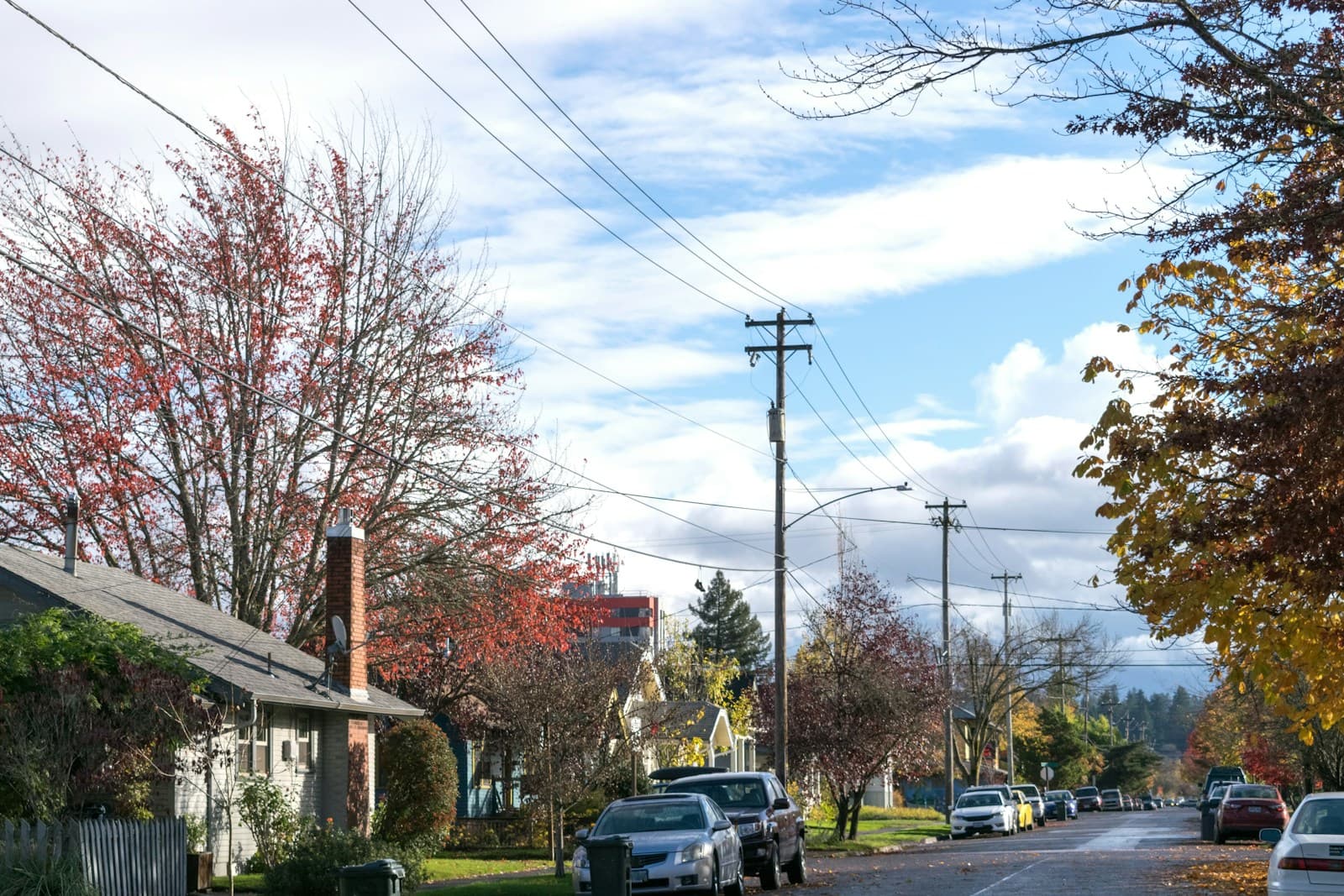
Oregon cityscape and street view
25/50 minimum
Bodily Injury Liability
Covers injuries you cause to others in an at-fault accident. Oregon's $25,000 per-person minimum is inadequate for serious collisions—medical costs for a single injured party can easily exceed six figures. Senior drivers with accumulated assets including paid-off homes should consider 100/300 or higher limits to protect retirement savings from lawsuit exposure.
$20,000 minimum
Property Damage Liability
Pays for damage to other vehicles and property you cause. The $20,000 minimum falls short when you're at fault for a collision involving a newer SUV or multiple vehicles, common in Portland metro traffic. Increasing this to $50,000 or $100,000 costs relatively little and prevents out-of-pocket exposure that can deplete fixed-income budgets.
$15,000 minimum
Personal Injury Protection (PIP)
Oregon's mandatory PIP covers your medical expenses, lost wages, and essential services regardless of fault, with $15,000 minimum per person. For senior drivers on Medicare, this coverage acts as primary payer before Medicare kicks in, covering deductibles, copays, and services Medicare doesn't fully cover. Oregon law allows you to reject higher PIP limits or additional optional coverages in writing, but the base $15,000 is required.
Must be offered; rejection requires signature
Uninsured/Underinsured Motorist Coverage
Oregon requires insurers to offer UM/UIM coverage matching your liability limits unless you reject it in writing. With Oregon's uninsured motorist rate estimated at 13–15%, this coverage is particularly valuable for senior drivers who may face longer recovery times and higher medical costs if hit by an uninsured driver on rural highways like Route 26 or Route 97 where emergency response is delayed.
Not required by state
Comprehensive and Collision Coverage
Covers damage to your own vehicle from accidents, weather, theft, and animal strikes. Oregon's rural areas see frequent deer collisions, particularly on highways east of the Cascades, while Portland metro theft rates affect comprehensive claims. For senior drivers with paid-off vehicles worth under $4,000–$5,000, the annual cost of these coverages may exceed potential payouts when accounting for deductibles.
State-Mandated Minimum Coverage · Oregon

Oregon Minimum Coverage

CoverageMinimum
Bodily Injury (per person)$25,000
Bodily Injury (per accident)$50,000
Property Damage$20,000

License Reinstatement Fee$75

Meeting the state minimum keeps you legal. See whether it's enough — get your Oregon quote.

Get your Oregon quote

Cost Overview

Oregon senior drivers typically see rates increase modestly from age 65 through the early 70s, then more notably after 75 as carriers adjust for actuarial data showing increased claim frequency in the oldest age brackets. Portland metro drivers face higher rates due to traffic density and theft, while those in Bend, Eugene, and rural counties often pay 15–25% less. Drivers who've retired and reduced annual mileage from 12,000+ to under 7,500 miles can qualify for low-mileage discounts of 10–20% with most Oregon carriers.

What Affects Your Rate

  • Mature driver course completion through AARP, AAA, or Oregon-approved providers yields 5–15% discounts with most carriers, renewable every three years
  • Annual mileage under 7,500 miles qualifies for low-mileage discounts of 10–20% with carriers including State Farm, Nationwide, and Travelers operating in Oregon
  • Portland metro zip codes (97201–97299) see rates 18–30% higher than rural Oregon counties due to traffic density, theft rates, and uninsured motorist frequency
  • Bundling home and auto insurance saves Oregon senior homeowners an average of 15–25%, with the discount often increasing for long-term customers over age 65
  • Credit-based insurance scoring impacts rates significantly in Oregon—state law allows its use, and senior drivers with excellent credit can see rates 20–40% lower than those with poor credit for identical coverage
  • Vehicle age and safety features matter: cars with automatic emergency braking, lane departure warning, and blind-spot monitoring qualify for safety discounts of 5–15% that help offset age-based rate increases for drivers 75 and older
Drivers 65–69
$110–$175/mo
This age bracket typically sees stable or slightly declining rates if driving record remains clean, as carriers still benefit from decades of experience and mature driver discounts become available. Drivers who complete an approved defensive driving course and reduce mileage post-retirement often secure their lowest rates in this window.
Drivers 70–74
$120–$185/mo
Rates begin to edge upward as carriers apply age-based risk adjustments, though increases remain modest for drivers with clean records. Maintaining the mature driver discount through course renewals every three years and emphasizing low annual mileage become increasingly important to offset actuarial pricing.
Drivers 75+
$135–$210/mo
This bracket sees the steepest rate increases, with some carriers applying surcharges of 15–30% compared to 65-year-old drivers with identical records. Oregon does not prohibit age-based pricing, making it critical to compare carriers annually—rate treatment of drivers over 75 varies significantly between companies, and switching can save $400–$800 annually.

Compare rates from carriers that specialize in senior drivers

Mature driver discounts, low-mileage rates, and coverage reviews — see what you're actually eligible for.

Get Your Free Quote
Mature Driver Discounts No Obligation Licensed Carriers All 50 States

Coverage Types

Liability Insurance Beyond State Minimums

Oregon's 25/50/20 minimums leave significant exposure—a single serious injury claim can exceed $100,000. Senior drivers with home equity, retirement accounts, or other assets should carry 100/300/100 or higher to protect accumulated wealth from lawsuits.

Comprehensive Coverage for Weather and Wildlife

Covers non-collision damage including deer strikes, falling trees, hail, and theft. Oregon's rural highways and forested areas see frequent animal collisions, while coastal and mountain regions face storm damage risks year-round.

Uninsured Motorist Coverage

Protects you when hit by a driver with no insurance or insufficient coverage to pay for your injuries and vehicle damage. This coverage must be offered by Oregon carriers at limits matching your liability policy unless you reject it in writing.

Personal Injury Protection Enhancements

Oregon's mandatory $15,000 PIP covers medical bills, lost income, and essential services regardless of fault. Optional higher limits or additional coverages like increased medical payments can be purchased, though many senior drivers find the base adequate when paired with Medicare.

Full Coverage on Paid-Off Vehicles

Combines comprehensive, collision, and liability. Makes financial sense when vehicle value significantly exceeds annual premium costs. For a paid-off 2015 sedan worth $8,000, paying $900/year for comp and collision with a $500 deductible may still be justified; for a 2008 vehicle worth $3,500, liability-only often makes more sense.

Roadside Assistance and Rental Reimbursement

Roadside adds towing, lockout service, and battery jumps for $5–$15/month; rental reimbursement covers rental car costs while yours is repaired after a covered claim. Both offer peace of mind for senior drivers who may be traveling alone on Oregon's rural highways or need transportation to medical appointments.
Frequently Asked Questions

Get Your Free Quote in Oregon